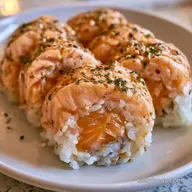
Homemade Sushi Rice: Glossy and Tender
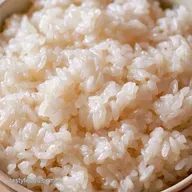
This classic stove-top recipe yields seasoned grains with a balanced sweet and tangy vinegar coat, providing the base for any roll.
sushi rice servings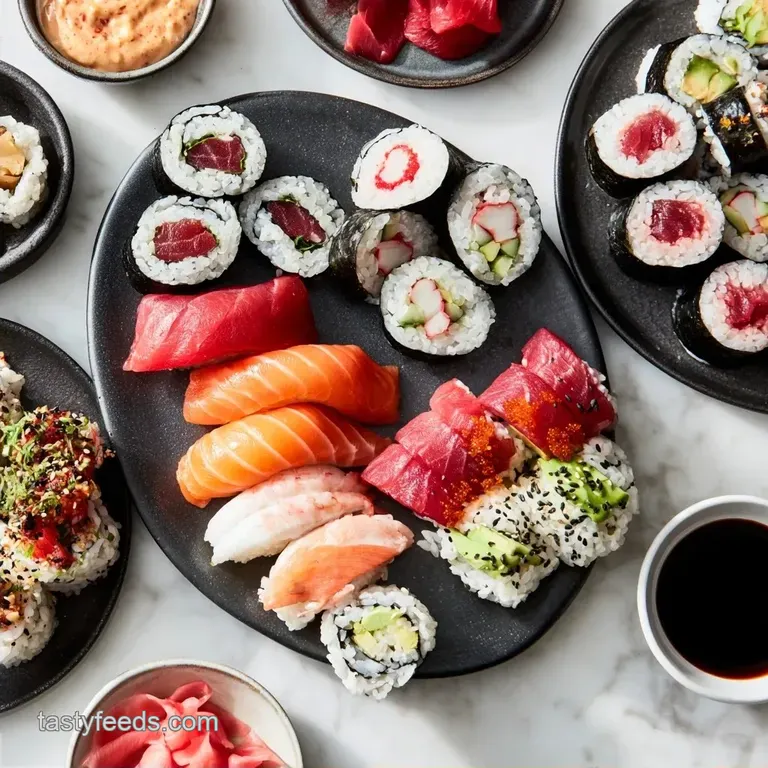
Rolling sushi at home is one of the most rewarding kitchen projects you can tackle, whether you are planning a fun weekend date night or looking to recreate restaurant favorites on a budget.
While the process might seem intimidating, it mostly comes down to seasoning the rice correctly and preparing your favorite fillings. Once you have those basics down, assembling and shaping the rolls becomes second nature.
This collection breaks down every step of the process. You will find several variations of seasoned rice, classic maki rolls, rich cream cheese options, and the signature sauces that pull everything together. With these resources, you can customize every single roll to your precise taste.
Homemade sushi refers to the art of preparing vinegar-seasoned rice and combining it with various raw or cooked fillings, all rolled in toasted nori seaweed or served in bite-sized pieces. While many associate the dish exclusively with raw fish, the term actually refers to the seasoned grain itself.
Making it at home lets you control the quality of the ingredients and adapt the flavors to your preferences. From simple vegetarian hand rolls to inside-out rolls loaded with toppings, the variations are virtually endless.
This collection provides the exact formulas to help you replicate classic Japanese flavors right in your own kitchen.
Choosing where to start depends on your comfort level with rolling and your ingredient preferences. Beginners typically find success with cooked options, such as crab stick or smoked salmon, before moving on to raw, sushi-grade tuna or salmon.
If you are short on time, focusing on a basic roll with simple fillings helps you practice the rolling technique without extra complexity. For a richer, more westernized style, look for options featuring cream cheese or spicy mayo toppings.
Alternatively, if you want a lighter, cleaner flavor profile, traditional thin maki rolls wrapped in seaweed are your best bet.
Great sushi always starts with the rice, which must be sticky enough to hold together yet tender enough to bite. These recipes focus specifically on the foundation of the dish, utilizing different seasoning ratios and cooking appliances.
They differ from the roll sections by teaching you how to prep the grains before any rolling begins.
This classic stove-top recipe yields seasoned grains with a balanced sweet and tangy vinegar coat, providing the base for any roll.
sushi rice servingsHands-off cooking makes this version highly convenient, using a rice cooker to ensure even steam distribution and a glossy finish.
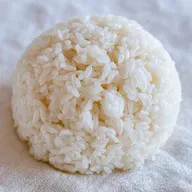
rice cooker methodUsing sweet glutinous rice, this preparation offers a denser texture that works well for sweet variations or structured molded dishes.
sweet glutinous styleFeaturing a larger yield, this recipe focuses on a seasoned vinegar ratio that enhances the natural sweetness of short-grain rice.
pre-seasoned vinegarDesigned for busy nights, this stove-top technique reduces cooking time while keeping the grains sticky and well-seasoned.
cooked sushi riceThis section brings together uncomplicated guides and simple maki rolls that are ideal for practicing your rolling technique. Unlike the seafood-heavy sections, these recipes emphasize versatile fillings and basic structures that help you build confidence.
You will find straightforward seaweed-wrapped rolls and comprehensive guides to customizable fillings.
A comprehensive starter guide that shows you how to arrange fillings and seal nori sheets with minimal effort.
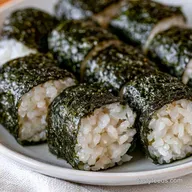
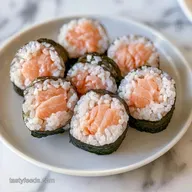
sushi rolls minutesTraditional thin rolls wrapped in nori, ideal for highlighting a single fresh filling like crisp cucumber or tuna.
traditional thin makiThis preparation guide walks you through slicing and pairing various vegetables and proteins to keep your rolls neat.
filling prep guideA classic approach to rolling with seaweed on the outside, teaching the proper hand pressure for tight rolls.
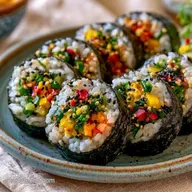
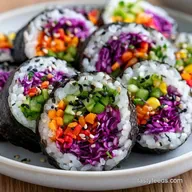
maki sushi servingsPacked with crisp cucumber, avocado, and carrots, this fresh option offers a clean, crunchy bite without any seafood.
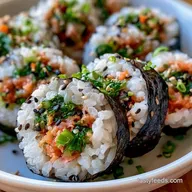
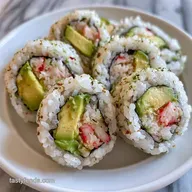
fresh vegetable fillingThese recipes focus on the popular westernized roll that features imitation crab, cucumber, and creamy avocado. This group stands out by utilizing accessible, cooked ingredients that do not require finding sushi-grade fish. You will find variations that use toasted sesame seeds, spicy mayo, or different crab cuts.
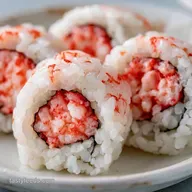
The quintessential inside-out roll featuring a classic combination of creamy avocado, cucumber, and seasoned crab stick.
california roll minutesA budget-friendly option that uses shredded imitation crab mixed with a touch of mayonnaise for a creamier texture.
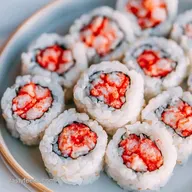
creamy shredded crabThis version kicks up the heat by tossing shredded crab in a spicy seasoning before rolling it up.
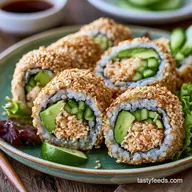
spicy crab fillingAn aromatic roll coated in toasted sesame seeds on the outside, adding a nuttiness and light crunch.
toasted sesame coatingA quick, simplified roll that places whole crab sticks directly in the center for fast assembly.
whole stick fillingCream cheese adds a rich, smooth element to home rolls, pairing beautifully with both seafood and spicy sauces. These recipes are grouped to showcase how dairy can soften the tang of seasoned rice. They differ from our other rolls by delivering a luxurious, melt-in-your-mouth texture.
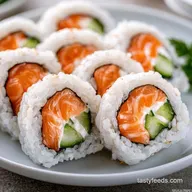
A crowd favorite that pairs rich cream cheese with smoked fish and cool cucumber for a balanced bite.
classic philadelphiaA versatile base recipe that focuses on the pairing of rich cheese with simple crunchy vegetables.
simple cream cheeseThis roll combines salty smoked salmon with smooth cream cheese, mimicking the classic bagel flavor profile.
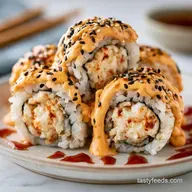
smoked salmon pairingA decadent roll that blends imitation crab and cream cheese, finished with a drizzle of spicy sauce.
crab and cream cheeseThese recipes highlight classic fish choices, featuring both raw and cooked variations of salmon and tuna. This section stands out by catering to seafood lovers, offering a mix of quick canned fish solutions and premium sushi-grade cuts.
You will find everything from fast lunch-friendly rolls to dinner-party showpieces.
An easy roll that uses readily available smoked salmon, offering deep flavor without the need for raw fish.
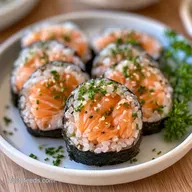
ready smoked fishFeaturing premium raw fish, this recipe guides you through slicing and placing fresh salmon for a clean taste.
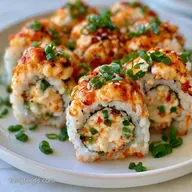
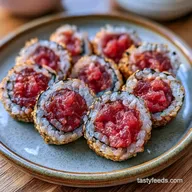
raw sashimi gradeA popular restaurant copycat that mixes raw tuna with a fiery sauce for a bold, seasoned bite.
spicy raw tunaA highly accessible variation using pantry-stable canned tuna, making homemade sushi incredibly practical for quick lunches.
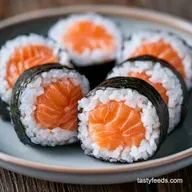
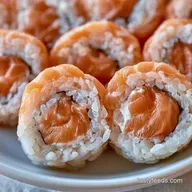
budget canned tunaA simple, elegant maki roll focusing entirely on high-quality raw salmon wrapped tightly in seasoned rice.
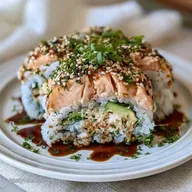
elegant raw salmonIdeal for those who prefer fully cooked meals, this roll uses baked salmon and cream cheese.
cooked salmon fillingNo sushi platter is complete without dipping sauces and glazes to enhance the flavor of your rolls. These recipes focus exclusively on condiments, giving you options for creamy heat or sweet, savory drizzles. They differ from the other sections by containing zero rice or rolling steps.
A smooth, zesty condiment that blends mayonnaise with sriracha and a touch of sesame oil.
classic creamy sauceA simmered soy sauce infused with mirin and sake, yielding a rounder, less salty dipping experience.
brewed soy dipA thick, syrupy glaze that adds a sweet finish when brushed over cooked eel or crab rolls.
thick sweet glazeA quick two-ingredient sauce that provides instant heat and creaminess to any plate of rolls.
quick spicy drizzleWhen preparing homemade sushi, keeping ingredients fresh is essential for both flavor and health. If you choose to use raw fish, it is a good practice to source specifically labeled sushi-grade or sashimi-grade seafood from a trusted provider.
Keep raw seafood thoroughly chilled, aiming to store it at temperatures below 40°F (4°C) up until the moment of assembly. Once rolled, sushi made with raw fish should be eaten immediately to reduce risk.
For rolls containing cooked seafood or cream cheese, store leftovers in an airtight container in the refrigerator and eat within twenty-four hours. Note that refrigerated sushi rice tends to harden, so enjoying your rolls fresh is always best.
| # | Recipes | Best For | Time | Difficulty | Method | Protein Source |
|---|---|---|---|---|---|---|
| 1 | Sushi Rice for 4 Servings | Traditional stove-top rice preparation | 85 min | Easy | Stovetop | None |
| 2 | Rice Cooker Sushi Rice | Hands-off cooking and easy cleanup | 55 min | Easy | Rice Cooker | None |
| 3 | Japanese Sticky Rice | Sweet dessert sushi variations | 50 min | Easy | Stovetop | None |
| 4 | Seasoned Sushi Rice | Large family-sized dinner batches | 75 min | Easy | Stovetop | None |
| 5 | Quick Cooked Sushi Rice | Fast weeknight dinner prep | 55 min | Easy | Stovetop | None |
| 6 | Homemade Sushi Rolls | Beginners learning proper alignment | 50 min | Easy | Assembly | Vegetable |
| 7 | Japanese Maki Rolls | Classic thin rolls wrapped in nori | 95 min | Medium | Assembly | Vegetable |
| 8 | Sushi Roll Fillings | Creative filling customisation | 45 min | Easy | Assembly | None |
| 9 | Maki Sushi | Mastering tight hand pressure | 80 min | Medium | Assembly | Vegetable |
| 10 | Vegetarian Sushi Rolls | Crisp plant-based dining | Time varies | Easy | Assembly | Vegetable |
| 11 | California Roll | Classic restaurant style at home | 50 min | Medium | Assembly | Imitation Crab |
| 12 | Imitation Crab Sushi | Affordable budget-friendly meals | 50 min | Easy | Assembly | Imitation Crab |
| 13 | Spicy Crab Sushi | Adding a mild kick to crab rolls | 50 min | Easy | Assembly | Imitation Crab |
| 14 | Sesame California Roll | Aromatic nutty flavor coating | 70 min | Medium | Assembly | Imitation Crab |
| 15 | Crab Stick Sushi | Speedy lunch prep | 40 min | Easy | Assembly | Imitation Crab |
| 16 | Philadelphia Sushi Roll | Rich cream cheese cravings | Time varies | Easy | Assembly | Smoked Salmon |
| 17 | Cream Cheese Sushi Roll | Creamy mild vegetable pairings | 45 min | Easy | Assembly | None |
| 18 | Smoked Salmon Philadelphia Roll | Brunch inspired savory pairings | 50 min | Easy | Assembly | Smoked Salmon |
| 19 | Creamy Crab Cream Cheese Sushi | Decadent cream cheese crab rolls | 55 min | Easy | Assembly | Imitation Crab |
| 20 | Smoked Salmon Sushi | Quick dinner without raw fish | 30 min | Easy | Assembly | Smoked Salmon |
| 21 | Salmon Sushi | Premium fresh sashimi experience | 15 min active / 4.5 hr total | Medium | Assembly | Salmon |
| 22 | Spicy Tuna Sushi Roll | Classic spicy restaurant copycat | 35 min | Medium | Assembly | Tuna |
| 23 | Easy Tuna Salad Roll | Using pantry staples | 15 min | Easy | Assembly | Tuna |
| 24 | Sushi Grade Salmon Maki | Elegant minimal raw salmon rolls | 45 min | Easy | Assembly | Salmon |
| 25 | Cooked Salmon Sushi Roll | Warm cooked fish preferences | Time varies | Easy | Assembly | Salmon |
| 26 | Spicy Mayo Sauce | Adding mild heat and richness | 5 min | Easy | No-Cook Mix | None |
| 27 | Sushi Soy Sauce | Elevated dipping experience | 20 min | Easy | Stovetop | None |
| 28 | Sweet Soy Sushi Glaze | Drizzling over finished rolls | 15 min | Easy | Stovetop | None |
| 29 | Sriracha Mayo | Instant spicy sauce drizzle | 5 min | Easy | No-Cook Mix | None |
Discover more curated recipe collections
Explore more recipe collections →