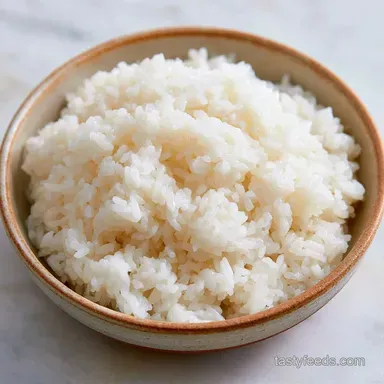
Homemade Sushi Rice: Glossy and Tender
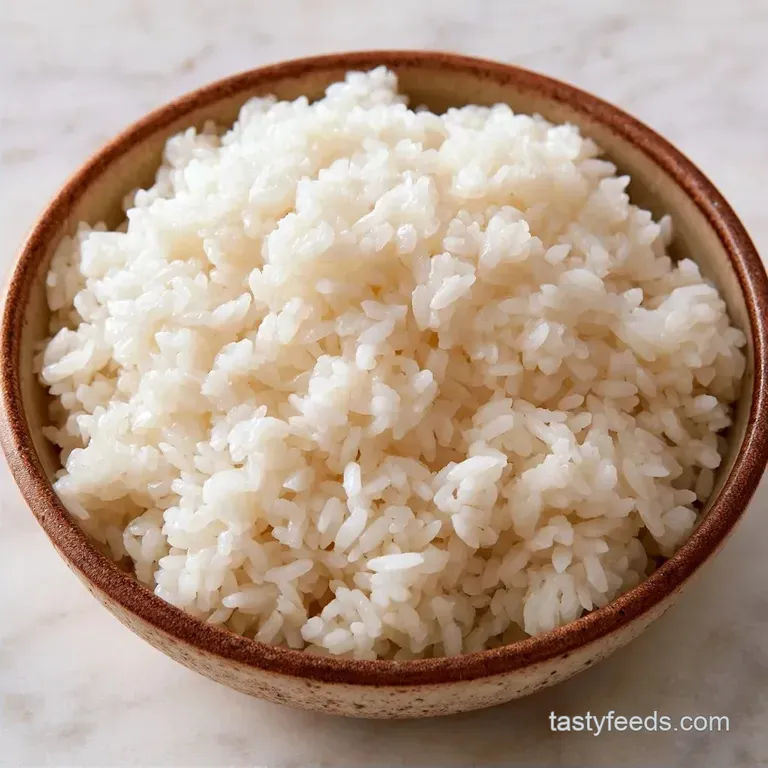
- Time: 15 min active + 70 min soaking/cooking/cooling
- Flavor/Texture Hook: Tangy, sticky, and glossy
- Perfect for: Homemade rolls, poke bowls, or dinner parties
Making Great Sushi Rice
The sound of water rushing through a fine mesh strainer is where it all starts. I remember the first time I tried to shortcut this by using long grain white rice. It was a disaster. The grains stayed separate and dry, making it impossible to roll anything. It felt like trying to glue pebbles together.
Short grain Japanese rice is the hero here. It has a specific starch structure that makes it sticky when cooked, but the vinegar cut through that heaviness. This balance is what makes the dish work.
You don't need a fancy kitchen to get this right. Whether you use a rice cooker or a basic pot on the stove, the process stays the same. We're aiming for grains that are distinct but clingy.
Why This Method Wins
- The Soak: Letting the rice sit in water for 30 minutes ensures the core of every grain cooks evenly.
- Steam Time: Resting the pot with the lid on finishes the cooking process without adding extra water.
- The Fold: Using a slicing motion instead of stirring prevents the grains from smashing into a mushy glue.
| Method | Time | Texture | Best For |
|---|---|---|---|
| Traditional Stovetop | 85 mins | Chewy & Distinct | Small batches |
| Rice Cooker | 85 mins | Uniform & Soft | Hands off cooking |
| Pre Seasoned Pack | 20 mins | Often too salty | Emergencies |
Choosing Your Ingredients
| Ingredient | What It Does | Best Swap |
|---|---|---|
| Short grain Rice | Provides stickiness | Calrose rice (similar starch) |
| Rice Vinegar | Adds tang/preserves | Apple cider vinegar + pinch of sugar |
| Sugar | Balances acidity | Maple syrup (adds caramel notes) |
| Sea Salt | Sharpens flavor | Kosher salt |
What You'll Need
- 2 cups (400g) short grain Japanese sushi rice Why this? High starch content for the right stickiness.
- 2 ½ cups (600ml) filtered water Why this? Avoids chlorine tastes in the grain.
- ¼ cup (60ml) rice vinegar Why this? Mild acidity that doesn't overpower.
- 2 tbsp (25g) granulated sugar Why this? Creates the signature glossy finish.
- 1 tsp (6g) fine sea salt Why this? Enhances the vinegary tang.
The Gear You Need
You can get by with a basic pot, but a few things make it easier. A fine mesh strainer is a must for rinsing. If you have a wooden bowl (hangiri), that's great because it absorbs excess moisture. Otherwise, a wide plastic tub works just fine. Use a silicone spatula or a wooden paddle to mix the seasoning.
Avoid metal spoons, as they can crush the grains.
Step-by-step Cooking Guide
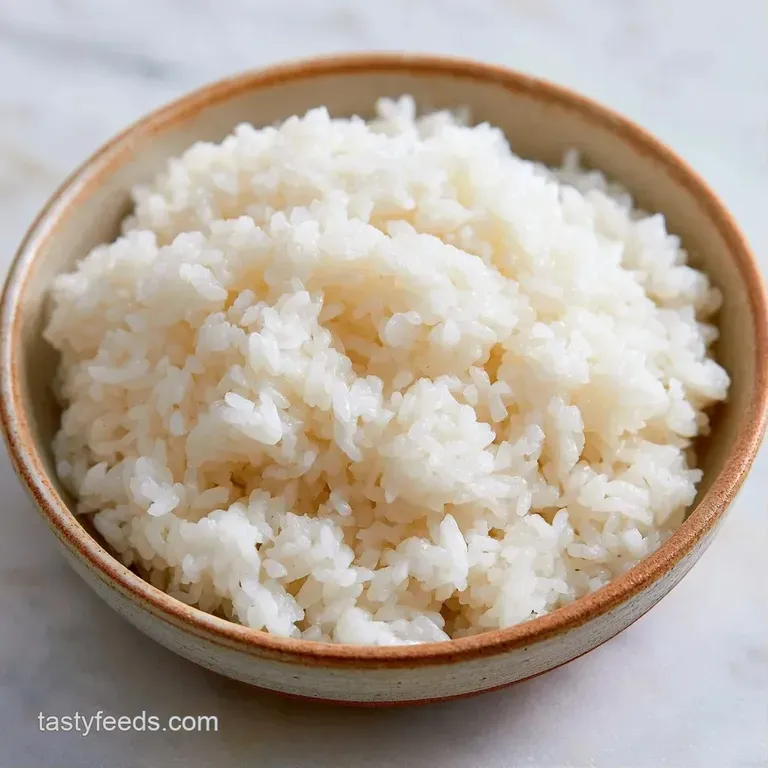
Phase 1: Prepping the Grain
- Place the rice in a fine mesh strainer.
- Rinse under cold running water, swirling with your hand, until the water running through the bottom is clear. Note: This removes excess surface starch that causes gummy rice.
- Transfer rice to a pot or rice cooker.
- Cover with 2 ½ cups of measured water.
- Let it soak for 30 minutes.
Phase 2: The Cooking Process
- Bring water to a boil, then simmer on the lowest heat for 15 minutes.
- Remove from heat and let it steam with the lid on for 10 minutes. Wait until the pot feels slightly cooler before opening.
Phase 3: Seasoning and Cooling
- Combine rice vinegar, sugar, and salt in a small saucepan over low heat.
- Stir until the sugar dissolves, then remove from heat.
- Transfer the cooked rice to a wide bowl.
- Gently fold in the warm vinegar seasoning using a slicing motion.
- Allow the rice to cool and breathe for 15 minutes.
Fixing Common Rice Issues
If your rice feels off, it's usually a water or heat problem. Most people over stir the rice, which releases too much starch and turns the whole thing into a paste.
Too Much Mush
This usually happens if you use too much water or skip the rinsing step. The grains collapse into each other.
Not Sticky Enough
If the grains are too separate, you likely didn't soak the rice or used a medium grain variety instead of short grain.
Too Sour Taste
This happens if the vinegar isn't balanced with enough sugar or if you used a strong distilled vinegar.
| Problem | Root Cause | Solution |
|---|---|---|
| Mushy rice | Too much water | Reduce water by 2 tbsp next time |
| Grains separate | Wrong rice type | Ensure you use short grain Japanese rice |
| Sticky clump | Over stirring | Use a folding/slicing motion |
Easy Flavor Variations
You can tweak the seasoning for different vibes. For a more modern twist, add a teaspoon of toasted sesame oil to the vinegar mix. It adds a nutty depth that works well in bowls.
If you're looking for a lower sugar option, you can swap the sugar for a tiny bit of honey. Just be aware that the rice won't have that same high gloss look. For something different, try turning your leftovers into Fried Rice, as the vinegar seasoning actually adds a great base flavor.
Scaling the Batch
- Half Batch: Use 1 cup rice and 1 ¼ cups water. Use a smaller pot to keep the water depth consistent, and reduce the simmer time by about 2-3 minutes.
- Double Batch: Double the rice and water, but only increase the salt and sugar to 1.5x. Too much seasoning in a large batch can make it taste artificial. Work in a very large bowl to avoid mashing the rice while folding.
Rice Myths
Myth: Any white rice works for sushi. False. Long grain rice doesn't have the amylopectin needed to stick. You'll end up with a roll that falls apart the second you touch it.
Myth: Rinsing is just for cleanliness. False. Rinsing removes the loose surface starch. If you skip this, your Homemade Sushi Rice will be gummy and clumpy rather than clean and sticky.
Storage and Zero Waste
Keep your leftover rice in an airtight container in the fridge for up to 3 days. To prevent it from drying out, press a piece of plastic wrap directly onto the surface of the rice.
When reheating, add a teaspoon of water and microwave it in short bursts. For zero waste, any rice that's too old for raw sushi can be used in a Easy Sushi Bake, where the oven heat refreshes the texture.
Best Ways to Serve
The most traditional way is the classic maki roll with cucumber or tuna. But if you're short on time, a poke bowl is the way to go. Just scoop the rice into a bowl and top it with cubed salmon and avocado.
Another great option is a Salmon Rice Bowl where the vinegary notes of the Sushi Rice cut through the richness of the fish. Trust me, the cooling period is the hardest part, but it's what makes the texture hold.
Recipe FAQs
What is the secret to perfect sushi rice?
Rinse the grains until the water is clear and soak for 30 minutes. This ensures an even cook and the signature sticky texture. If you loved the sweet tart balance in this recipe, see how we balance flavors in our sweet potato curry.
What is the secret ingredient in sushi rice?
A blend of rice vinegar, sugar, and salt. These three ingredients create the essential tangy sweet seasoning that defines the flavor of traditional sushi.
How to season sushi rice?
Heat rice vinegar, sugar, and salt in a saucepan until dissolved. Gently fold this warm liquid into the cooked rice using a silicone spatula to avoid mashing the grains.
How to cook sushi rice in a pot?
Bring water to a boil, then simmer on lowest heat for 25 minutes. Keep the lid tightly sealed and let the rice steam for another 10 minutes before opening.
Is it true that any white rice works for sushi?
No, this is a common misconception. You must use short grain Japanese sushi rice because long grain varieties lack the starch necessary for the grains to adhere.
What are common mistakes when making sushi rice?
Mashing the grains while adding the seasoning. Use a slicing or folding motion rather than stirring to keep the rice fluffy and distinct.
Is sushi rice ok for diabetics?
Generally no, it has a high glycemic index. The combination of short grain white rice and added sugar can cause rapid spikes in blood glucose levels.
Sushi Rice for 4 Servings