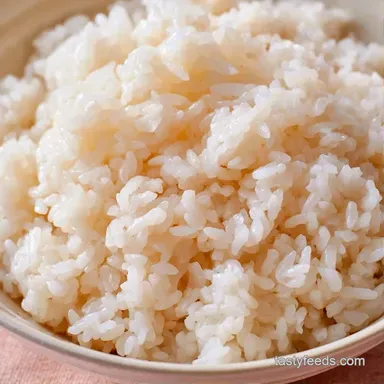
Rice Cooker Sushi Rice in 55 Minutes
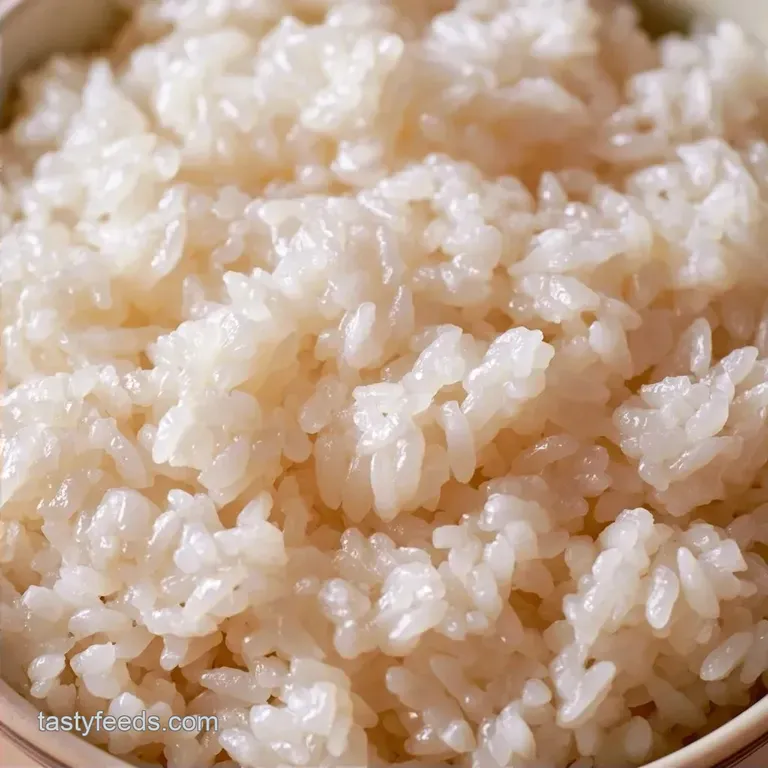
- Time: 10 min active + 30 min cook + 15 min resting
- Flavor/Texture Hook: Tangy, slightly sweet, and glossy
- Perfect for: Homemade sushi nights or a quick side
The smell of steaming vinegar and sugar always reminds me of the first time I tried making sushi at home. It was a disaster. I skipped the rinsing part and ended up with a pot of sticky, overcooked mush that looked more like porridge than sushi.
I spent twenty minutes trying to scrape it out of the pot, feeling completely defeated.
You don't need a fancy setup to get this right. If you have a basic rice cooker, you're already halfway there. This easy sushi rice recipe fixes the mushiness problem by focusing on the rinse and the cooling process. It's the best rice cooker sushi rice method for anyone who wants a restaurant feel without the stress.
We are going for a specific balance here. The grains should be tender but hold their shape, with a light acidity that cuts through fatty fish. It takes about 55 minutes from start to finish, but most of that is just waiting for the machine to do its job.
Getting Great Rice Cooker Sushi Rice
The main goal here is controlling the starch. Too much starch equals glue. By washing the rice until the water is clear, you remove the excess surface starch that causes clumping.
The Rinse: Scrubbing the grains releases starch, which prevents that gummy texture. The Rest: Letting the rice sit for 10 minutes after the click lets the moisture redistribute.
The trick to the Rice Cooker Sushi Rice water ratio is precision. Too much water ruins the structure.
| Method | Time | Texture | Best For |
|---|---|---|---|
| Rice Cooker | 30 min | Consistent & Glossy | Busy nights |
| Stovetop | 40 min | Higher risk of burning | No electronics |
Ingredient Deep Dive
Most people think any white rice works, but short grain is non negotiable. It has the right starch profile to stick together without becoming a paste.
| Ingredient | What It Does | Best Swap |
|---|---|---|
| Short grain Rice | Provides the structure | Medium grain (slightly less sticky) |
| Rice Vinegar | Adds the signature tang | Apple cider vinegar (stronger flavor) |
| Cane Sugar | Balances the acidity | Honey (adds a floral note) |
| Salt | Sharpens all the flavors | Sea salt |
The Rice cooker sushi rice vinegar mixture is what gives the dish its identity. If the vinegar is too harsh, the sugar mellows it out.
Equipment Needed
You don't need a professional kitchen for this. A standard rice cooker is the heavy lifter. I use a basic Zojirushi, but any brand works.
You'll also need a large non metal bowl. Metal can react with the vinegar and change the taste of the rice. A wooden or plastic rice paddle is great for folding. If you don't have one, a silicone spatula works just fine. Finally, grab a piece of cardboard or a hand fan to cool the rice quickly.
Bringing It Together
If you're wondering how to make sushi rice in a rice cooker, just follow these specific Rice cooker sushi rice instructions.
- Place the rice in a fine mesh strainer. Run cold water over the grains, swirling them gently with your fingers for 3-5 minutes until the water runs completely clear.
- Transfer the rinsed rice to the rice cooker inner pot and add the filtered water. Note: Use a measuring cup for accuracy.
- Set the machine to the 'White Rice' or 'Sushi Rice' setting.
- Once the cycle finishes, let the rice steam undisturbed for 10 minutes.
- Combine rice vinegar, cane sugar, and salt in a small saucepan.
- Heat over low heat until the sugar and salt dissolve. Note: Do not let it boil.
- Transfer the hot rice into a large non metal bowl. Drizzle the seasoning blend over the rice.
- Use a rice paddle to fold the mixture using a slicing motion.
- Gently fan the rice while folding until it reaches a glossy sheen.
Chef: Use a slicing motion when folding. If you stir it like a cake batter, you'll crush the grains and create a mash.
Fixing Common Rice Issues
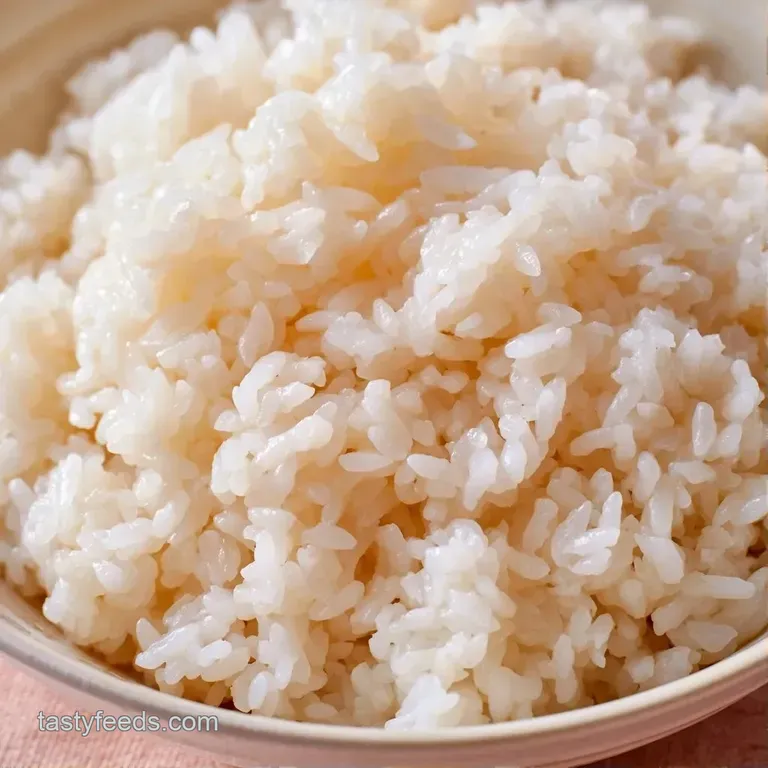
Even with a machine, things can go sideways. Most problems come down to the water ratio or the rinsing stage.
Rice Is Too Mushy
This usually happens if you didn't rinse enough or added too much water. The excess starch creates a gluey layer around each grain.
Grains Are Hard
If the center of the grain is still chalky, the rice was likely under hydrated. You can add a tablespoon of water and steam it for 5 more minutes.
Seasoning Is Harsh
A sharp vinegar taste means the sugar didn't dissolve or the ratio was off. Adding a pinch more sugar can balance it.
| Problem | Root Cause | Solution |
|---|---|---|
| Gummy texture | Poor rinsing | Rinse until water is crystal clear |
| Dry grains | Not enough water | Add 1-2 tbsp water and re steam |
| Dull flavor | Cold vinegar | Warm the seasoning before adding |
Mixing Up The Flavor
Once you've got the base down, you can tweak the profile. These changes are small but make a big difference in the final bite.
The Brown Rice Alternative: Use brown sushi rice, but you'll need to increase the water and use the 'Brown Rice' setting. It's nuttier but less sticky.
The Zesty Twist: Add a teaspoon of freshly grated ginger to the vinegar mixture for a spicy kick.
The sugar-free Swap: Use a drop of stevia or a monk fruit sweetener. The texture remains the same, though the gloss is slightly less pronounced.
Toasted Sesame Infusion: Stir in 1 tablespoon of toasted sesame seeds at the very end. This adds a savory, toasted aroma.
Scaling Your Batch
Adjusting this recipe for a crowd is simple, but don't just double everything blindly.
For a smaller batch (1 cup rice), use 1 ⅛ cups water. Reduce the seasoning by half. You'll find the rice cooks about 20% faster, so keep an eye on the timer.
When scaling up to 4 cups, keep the water ratio the same, but only increase the salt and sugar to 1.5x. Too much salt in large batches can become overwhelming. I recommend working in two batches if your cooker is small to ensure even heat. If you find yourself making too much homemade sushi rice, you can always freeze the leftovers.
Rice Myths
Some people say you need a special ceramic pot to get the right texture. That's not true. A standard non stick rice cooker pot works perfectly as long as you rinse the grains.
Another common myth is that you should wash the rice until it's "white." You're actually looking for the water to be clear, not the rice. The water starts cloudy because of the surface starch.
Storage And Waste Tips
Store your leftover rice in an airtight container in the fridge for up to 3 days. To reheat, sprinkle a teaspoon of water over the rice and microwave it for 30-60 seconds. This steams the grains back to life.
For the freezer, portion the rice into small bags. It stays good for about 2 months.
Don't throw away old sushi rice. Since it's already seasoned with vinegar and sugar, it's an incredible base for quick fried rice. The acidity in the rice prevents the fried version from becoming too greasy.
Best Pairing Ideas
Since this rice is the foundation, you want toppings that contrast the tang. Fresh sashimi or marinated tofu are the obvious choices.
If you're serving this as part of a larger meal, try pairing it with something creamy. A bowl of Tom Kha soup provides a rich, coconut based balance to the sharp notes of the rice. You could also serve it alongside a simple cucumber salad with sesame oil to keep the meal light and fresh.
Recipe FAQs
What is the rice to water ratio for sushi rice in a rice cooker?
Use 2 cups of rice to 2 ¼ cups of filtered water. This specific ratio ensures the grains are tender enough to stick together without becoming mushy.
Which rice cooker setting should I use for sushi rice?
Select the 'White Rice' or 'Sushi Rice' setting. Once the cycle completes, let the rice steam undisturbed for 10 minutes to ensure an even texture.
How do I season sushi rice?
Dissolve cane sugar and salt into rice vinegar over low heat. Fold this mixture into hot rice using a slicing motion and fan the grains until they develop a glossy sheen.
Is it true that regular white vinegar is a good substitute for rice vinegar?
No, this is a common misconception. Regular white vinegar is far too acidic and harsh, whereas rice vinegar provides the mild, balanced flavor required for sushi.
Is sushi rice okay for diabetics?
Generally no. The combination of high glycemic short grain white rice and added cane sugar can cause significant spikes in blood glucose levels.
How can I make sushi rice using Jasmine rice?
Rinse the Jasmine rice thoroughly and use the same water ratio. If you enjoyed the sweet tart balance in this rice, see how we use similar flavor balancing in our chipotle beef bowls.
How do I make sushi rice with regular white rice?
Use short grain white rice and rinse it for 3 5 minutes until the water runs clear. Follow the rice cooker instructions and season with the vinegar mixture to achieve the necessary stickiness.
Rice Cooker Sushi Rice for 4 Servings