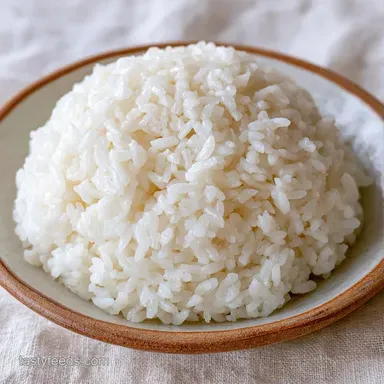
Seasoned Sushi Rice with Kombu
- Time: 10 min active + 30 min cook + 35 min resting/cooling
- Flavor/Texture Hook: Tangy, glossy, and sticky
- Perfect for: Homemade sushi night or a quick sushi bake
Most people end up with rice that feels like a thick paste. It happens when you skip the rinse or stir the rice too much while it's cooking, which breaks the grains and releases too much starch. You end up with a mushy mess that doesn't hold its shape.
This recipe fixes that by using a specific soak and drain method. We'll focus on a clean rinse and a controlled cool down to make sure the grains stay intact.
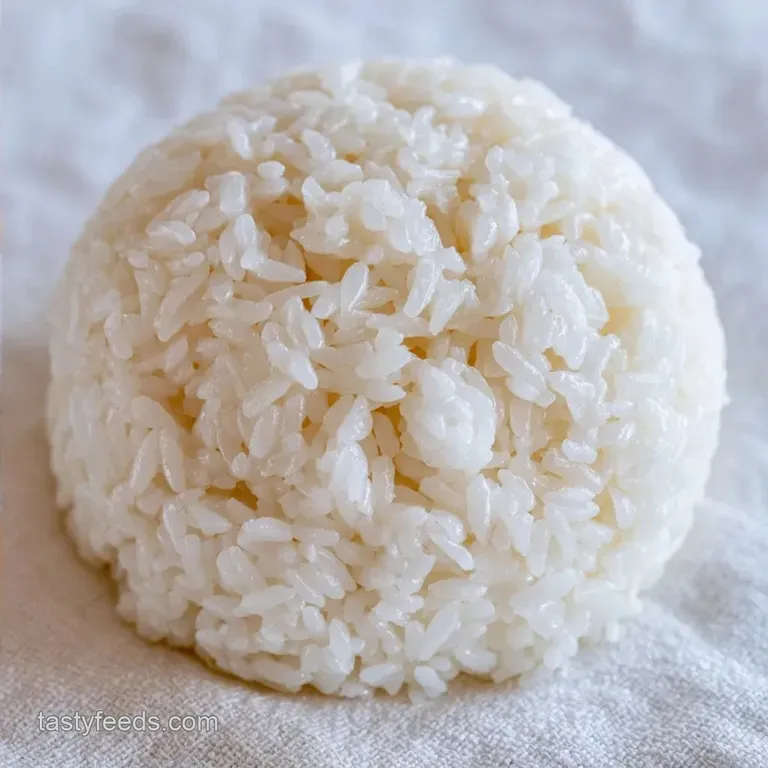
You'll get a result that's tacky but not gummy. This Seasoned Sushi Rice stays separate enough to handle but sticks together when you press it into a roll.
Get Seasoned Sushi Rice Right
The goal is a specific balance of acidity and sweetness that lets the fish shine. If you overdo the vinegar, it tastes like a salad; too little, and it's just plain white rice.
The Starch Management: Rinsing until the water is clear removes the surface starch. This prevents the rice from becoming a singular, sticky mass.
The Temperature Window: Adding the seasoning while the rice is hot allows the grains to absorb the liquid. If the rice is cold, the vinegar just sits on the surface.
The Cutting Motion: Using a paddle to "slice" through the rice prevents mashing. Stirring would crush the grains and ruin the texture.
| Feature | Fresh Seasoning | store-bought Mix | Impact |
|---|---|---|---|
| Control | Full control of sugar/salt | Fixed ratio | Fresh is less sweet |
| Cost | Very cheap | More expensive | Fresh saves money |
| Effort | 2 minutes whisking | Zero | Shortcut is faster |
Ingredient Deep Dive
| Ingredient | What It Does | Best Swap |
|---|---|---|
| Short grain Rice | Provides the necessary stickiness | Calrose rice |
| Dried Kombu | Adds a deep, savory base | 1/2 tsp dashi powder |
| Rice Wine Vinegar | Gives the signature tang | Apple cider vinegar (diluted) |
| Granulated Sugar | Balances the acid | Maple syrup |
The Gear You Need
You don't need a professional kitchen for this. A standard rice cooker such as Zojirushi works great, but a heavy bottomed pot on the stove is just as effective. Use a wide, shallow wooden or glass bowl for the seasoning phase. Avoid metal bowls if you can, as they can react with the vinegar and change the flavor.
A plastic or wooden rice paddle is a must to avoid crushing the grains.
Step-by-step Cooking Flow
Follow these precision checkpoints: 15 minutes of draining, 15 minutes of simmering, and 10 minutes of resting.
- Place the rice in a fine mesh strainer. Rinse under cold water, agitating the grains until the water runs crystal clear. Note: This removes the powdery starch.
- Let the rice sit in the strainer for 15 minutes. Note: This ensures even hydration.
- Combine the rinsed rice, water, and kombu in your pot or rice cooker.
- Bring to a boil, then reduce to the lowest simmer for 15 minutes until the water is fully absorbed.
- Remove the pot from the heat. Let it sit, undisturbed and covered, for 10 minutes until the steam settles.
- Whisk the rice wine vinegar, granulated sugar, and fine sea salt in a small bowl until the crystals disappear.
- Transfer the hot rice to your large bowl.
- Use a slicing motion with your paddle to fold in the Seasoned Sushi Rice seasoning.
- Fan the rice with a piece of cardboard or a handheld fan while folding until the rice looks glossy and hits room temperature.
Fixing Rice Problems
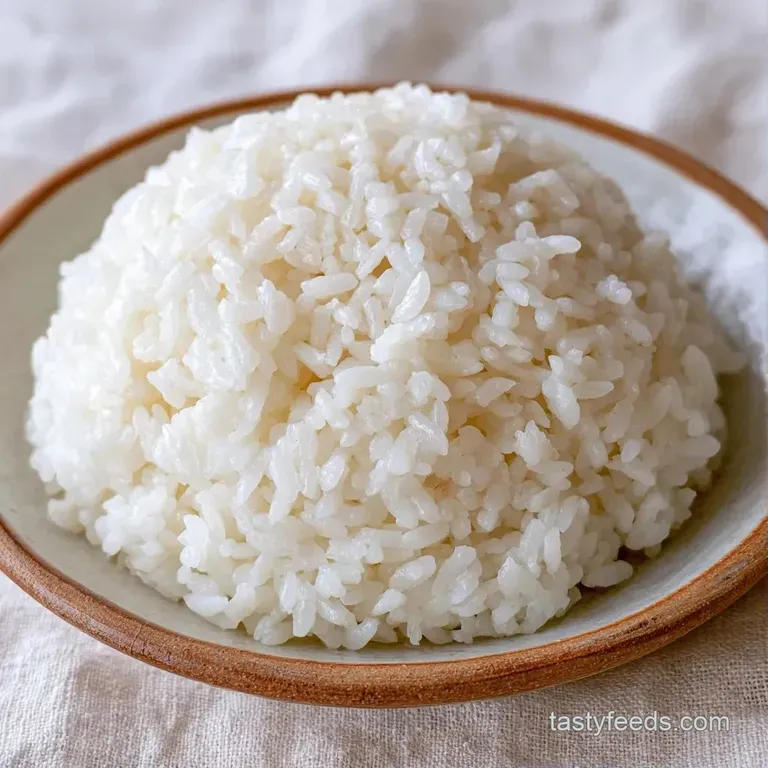
If your Seasoned Sushi Rice feels off, it's usually a hydration or temperature issue. Most mistakes happen during the rinse or the cooling phase.
Troubleshooting Common Issues
| Issue | Solution |
|---|---|
| Rice mushy | This usually happens if you used too much water or stirred the rice during the simmer. Once the starch is released, you can't put it back. Next time, be strict with the water ratio. |
| Why isn't my rice sticky enough | You might have over rinsed or used a long grain rice by mistake. Long grain rice lacks the amylopectin needed for that tacky feel. Stick to short grain sushi rice. |
| Why does the rice taste too acidic | The sugar didn't dissolve fully, or the vinegar ratio was too high. Ensure the sugar is completely dissolved before adding it to the rice. |
Changing Your Batch Size
When making a larger batch of Seasoned Sushi Rice, don't just double everything linearly.
For a 2x batch, increase the rice and water exactly, but only increase the seasoning to 1.5x. The rice absorbs the vinegar more efficiently in larger volumes, and doubling the salt can make it too aggressive.
If you're cutting the recipe in half, use a smaller pot to prevent the water from evaporating too quickly. You may need to add an extra tablespoon of water to compensate for the increased surface area to volume ratio.
Decision Shortcut: If you want a firmer grain → Rinse for 2 minutes longer. If you want a sweeter flavor → Add 1 extra teaspoon of sugar. If you're in a rush → Use a rice cooker to skip the simmer watch.
Common Rice Myths
Searing rice before boiling it doesn't "lock in" flavor for sushi. In fact, it adds a nutty taste that clashes with the vinegared seasoning. Keep the rice plain and steamed.
Some claim you need to wash rice seven times. That's a bit much. You just need the water to run clear. For most brands, that happens in three or four good rinses.
Storage and Waste Tips
Store your rice in an airtight container in the fridge for up to 3 days. Do not freeze Seasoned Sushi Rice, as the vinegar and sugar break down the cell walls, making it mushy when thawed.
To reheat, sprinkle a teaspoon of water over the rice and microwave it covered for 30 seconds. This steams the grains back to life.
If you have leftovers that have gone a bit hard, they make a great base for fried rice. The cold, seasoned grains separate easily in a hot pan. Don't toss the kombu piece either. You can chop it up and add it to a stock or a miso soup for an extra hit of umami.
What to Serve Next
Now that you have the base ready, you can go traditional with sashimi or try something different. This rice is the foundation for a sushi bake recipe, which is basically a creamy casserole version of sushi. It's a great way to use up a larger batch of rice if you don't feel like rolling individual pieces. You can also simply top it with avocado, cucumber, and a drizzle of soy sauce for a quick bowl.
Recipe FAQs
What is sushi rice seasoning made of?
Rice wine vinegar, granulated sugar, and fine sea salt. These three ingredients are whisked together until the sugar is fully dissolved before being added to the rice.
How to season sushi rice?
Transfer hot rice to a glass or wooden bowl. Fold in the seasoning using a slicing motion and fan the rice until it looks glossy and reaches room temperature.
Can you use regular vinegar instead of rice vinegar for sushi?
No, stick to rice wine vinegar. Standard white vinegars are often too harsh and lack the subtle, mellow sweetness necessary for authentic sushi rice.
How to cook sushi rice in a pot?
Bring the rice, water, and kombu to a boil. Reduce to the lowest simmer for 30 minutes, then let it sit undisturbed and covered for 10 minutes to finish steaming.
Is it true that jasmine rice works as a substitute for sushi rice?
No, this is a common misconception. Jasmine and other long grain rices lack the amylopectin needed to create the tacky, sticky texture essential for holding sushi together.
Is sushi rice ok for diabetics?
Consult your healthcare provider. This recipe contains refined short grain rice and granulated sugar, both of which can cause significant spikes in blood glucose levels.
How do I season sushi rice if I don't have rice vinegar?
Substitute with a mild acid like apple cider vinegar. If you have mastered balancing sweet and tart notes in a lemon pie, apply that same principle here to balance the vinegar's sharpness with a bit of extra sugar.
Seasoned Sushi Rice for 6 Servings