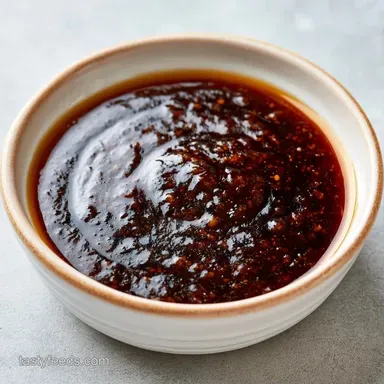
Homemade Sweet Soy Sushi Glaze with Ginger
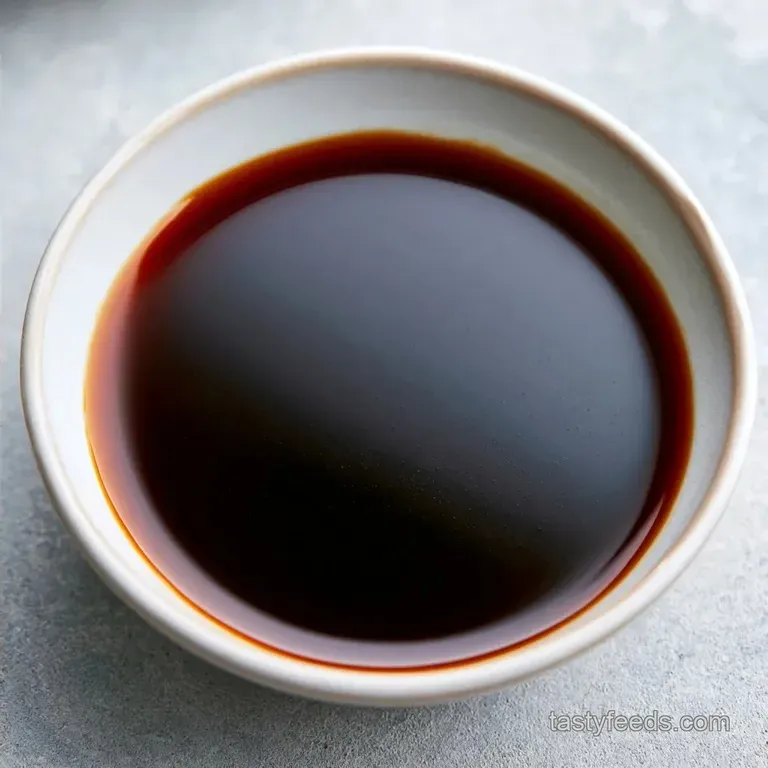
- Time: 5 min active + 10 min cook
- Flavor/Texture Hook: Glossy, thick, and salty sweet
- Perfect for: Busy weeknights and homemade sushi rolls
- Making a Sweet Soy Sushi Glaze
- Time and Yield Details
- What Each Ingredient Does
- Tools for the Job
- Step by Step Process
- Troubleshooting Your Sauce
- Different Taste Profiles
- Adjusting Your Batch Size
- Glaze Misconceptions
- Storage and Warming Tips
- Serving Suggestions
- Very High in Sodium
- Recipe FAQs
- 📝 Recipe Card
The smell of bubbling soy and ginger always takes me back to the first time I tried making sushi at home. I had bought a bottle of expensive eel sauce that tasted like straight corn syrup, and I knew I could do better with stuff already in my cupboard.
It felt like a waste to pay ten bucks for something that's basically just a reduction.
You don't need a professional kitchen to get that glossy, clingy finish on your rolls. This homemade Sweet Soy Sushi Glaze is all about patience for ten minutes on the stove. It gives you that deep, umami punch that balances the vinegared rice.
Once you make this, you'll realize how easy it is to control the salt and sugar. No more mystery additives or weird preservatives. Just a few bold ingredients that work together to make your fish pop.
Making a Sweet Soy Sushi Glaze
The main thing to understand here is the reduction. You aren't just heating the sauce, you're evaporating the water to concentrate the sugars and salt. According to Serious Eats, the goal of a reduction is to intensify flavor and change the viscosity. If you stop too early, the sauce will just run off your sushi. If you go too far, you'll end up with a sticky candy.
The "bubble transition" is your best friend. At first, the bubbles are small and fast. As the water leaves, they become larger, slower, and more sluggish. That's when the magic happens.
DIVTABLE_0
Time and Yield Details
This recipe is designed for a small batch since it keeps well in the fridge. You won't need to spend an hour in the kitchen.
- Prep time:5 minutes
- Cook time:10 minutes
- Total time:15 minutes
- Yield: 4 servings (approx. 150ml)
What Each Ingredient Does
I've learned that skipping even one of these changes the whole vibe of the Sweet Soy Sushi Glaze. The balance between salt, sugar, and acid is what makes it taste professional.
| Ingredient | What It Does | Best Swap |
|---|---|---|
| Soy Sauce | Provides salt and umami | Tamari (for gluten-free) |
| Brown Sugar | Adds thickness and molasses notes | Maple syrup (slightly thinner) |
| Mirin | Adds a silky gloss and mild sweetness | White wine + pinch of sugar |
| Rice Vinegar | Cuts through the sugar with acidity | Apple cider vinegar |
Tools for the Job
You don't need a fancy arsenal here. A small saucepan is the only real requirement. If you use a pan that's too wide, the sauce will evaporate too fast and you might burn the sugar before it thickens.
I suggest using a whisk or a small fork to make sure the brown sugar doesn't clump. A silicone spatula is also handy for scraping the sides of the pan to ensure every bit of caramelization gets stirred back into the sauce.
Step by step Process
Right then, let's get into it. Keep your heat steady and don't walk away from the stove.
- Combine 1/2 cup soy sauce, 1/4 cup packed brown sugar, 2 tbsp mirin, and 1 tbsp rice vinegar in a small saucepan.
- Stir in 1 tsp finely grated fresh ginger and 1 small clove of minced garlic.
- Whisk the mixture until the brown sugar is mostly dissolved. Note: This prevents sugar pockets from burning.
- Place the pan over medium heat.
- Bring the mixture to a gentle boil.
- Immediately reduce the heat to medium low.
- Simmer undisturbed for 8-10 minutes. Check at the 8 minute mark to see the bubble size.
- Watch for the liquid to reduce by about one third.
- Remove from heat once the sauce coats the back of a spoon. Note: It will thicken more as it cools.
Chef Note: If you want a cleaner look, you can strain the ginger and garlic out through a fine mesh sieve after cooking. I prefer leaving them in for the rustic texture.
Troubleshooting Your Sauce
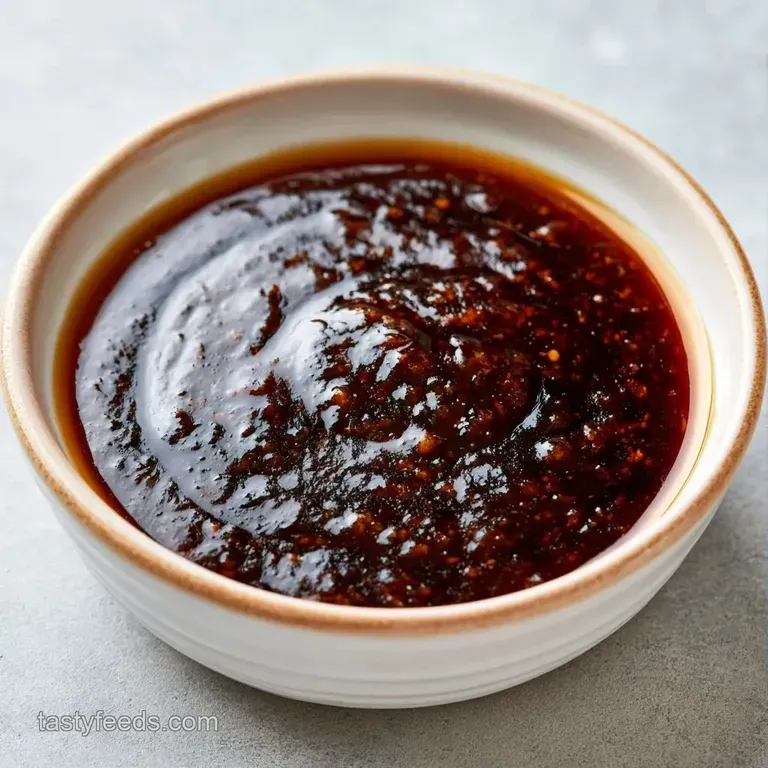
The most common issue people have with this Sweet Soy Sushi Glaze is the thickness. Because sugar behaves differently depending on the heat, you might find your batch is a bit off. If it's too thin, just put it back on the heat for another two minutes.
But if you've gone too far, a teaspoon of water or mirin can loosen it back up.
If you find the flavor is too intense, you can always cut it with a bit of my Sushi Soy Sauce to mellow it out.
| Issue | Solution |
|---|---|
| Why Your Glaze is Too Thin | This usually happens if the heat was too low or the simmer time was too short. The water hasn't evaporated enough to leave behind that syrupy consistency. |
| Why Your Glaze Tastes Too Salty | Different soy sauces have different sodium levels. If it's too salty, you need more sugar or acid to balance the scale. |
| Why Your Sugar Scorched | If you used high heat, the sugar can burn on the bottom of the pan. This gives the sauce a bitter, acrid taste that you can't fix. |
Different Taste Profiles
Once you have the base down, you can tweak it to fit your mood. I often make a double batch and split it into two different jars to have variety.
- The Spicy Kick: Stir in a teaspoon of Sriracha or chili flakes at the very end. This pairs great if you're also serving Spicy Mayo Sauce on the side.
- The Citrus Twist: Add a squeeze of fresh lime juice after you take the pan off the heat.
- The gluten-free Swap: Use Tamari instead of soy sauce. It's a one for-one swap and doesn't change the texture.
- The Low Sugar Option: Use a monk fruit brown sugar substitute. Note that it might not thicken as naturally, so you may need a tiny pinch of xanthan gum.
Decision Shortcut:
- If you want it stickier, simmer for 12 minutes.
- If you want it tangier, add an extra teaspoon of rice vinegar.
- If you want it bolder, double the ginger.
Adjusting Your Batch Size
Scaling this Sweet Soy Sushi Glaze is straightforward, but the physics of the pan change.
Scaling Down (Half Batch): Use a very small saucepan. Because there is less liquid, it will evaporate much faster. Start checking the consistency at 5 or 6 minutes so it doesn't turn into syrup too quickly.
Scaling Up (Double or Triple Batch): Don't just double the time. A larger volume of liquid takes longer to reach a boil, but once it's simmering, the surface area of your pan determines the speed of reduction. Use a wider pan to keep the time close to 10-12 minutes.
I recommend only increasing the ginger and garlic by 1.5x instead of 2x, as they can become overwhelming in large amounts.
Glaze Misconceptions
I see a lot of people claiming you need expensive "Unagi" (eel) sauce for this. The truth is, most commercial eel sauces are just soy, sugar, and mirin. Making it yourself is cheaper and tastes fresher.
Another myth is that you have to stir the sauce constantly. Actually, leaving it alone for a few minutes allows the sugars to concentrate without incorporating too much air, which helps achieve that deep, clear gloss.
Storage and Warming Tips
You can keep this Sweet Soy Sushi Glaze in an airtight glass jar in the fridge for up to 2 weeks. Since the sugar and salt act as preservatives, it stays fresh for a long time.
When you're ready to use it again, it will likely have thickened into a gel. Don't panic. You can either stir it vigorously to loosen it or pop the jar in a bowl of warm water for a few minutes. If you're in a rush, a 10 second zap in the microwave will make it pourable again.
To avoid waste, don't throw away the bits of ginger or garlic left in the pan. If you have a few tablespoons of glaze left that aren't enough for sushi, toss them into a pan with some sautéed vegetables or use them as a marinade for tofu.
Serving Suggestions
This isn't just for rolls. I love using it as a glaze for baked salmon. Brush it on during the last 5 minutes of cooking so it caramelizes without burning. It also works brilliantly as a dip for steamed dumplings or as a drizzle over a poke bowl.
For the best experience, serve it at room temperature. If it's too cold, the flavors are muted. If it's too hot, it will melt your sushi rice. Just a thin drizzle over the top of your nigiri is all you need to bring everything together.
Very High in Sodium
1800 mg 1800 mg of sodium per serving (78% 78% of daily value)
The American Heart Association recommends a daily sodium limit of no more than 2,300 mg to help manage blood pressure and reduce the risk of heart disease.
Tips to Reduce Sodium
-
Switch to Coconut Aminos-30%
Replace the soy sauce with Coconut Aminos, a soy-free alternative that is naturally much lower in sodium.
-
Use Low-Sodium Soy Sauce-20%
Substitute regular soy sauce for low-sodium soy sauce to significantly cut down the salt content.
-
Dilute the Sauce-15%
Mix the soy sauce with water or unsalted vegetable broth to reduce the concentration of salt per serving.
-
Increase Acidity-10%
Add an extra splash of rice vinegar or fresh lime juice to provide a 'tangy' flavor that mimics the intensity of salt.
-
Enhance Aromatics
Double the amount of fresh ginger and garlic to create a bolder flavor profile without adding any extra sodium.
Recipe FAQs
What is sweet soy glaze made of?
Soy sauce, brown sugar, mirin, and rice vinegar. It is seasoned with fresh ginger, garlic, and black pepper for a savory sweet balance.
What is the sweet sauce on sushi called?
It is commonly known as eel sauce or unagi sauce. This recipe mimics that classic glossy, sweet savory profile using a soy-mirin base.
How to make sweet soy for sushi?
Combine soy sauce, brown sugar, mirin, rice vinegar, ginger, and garlic in a saucepan. Simmer on medium low for 8 10 minutes until the liquid reduces by one-third.
Is it true that this glaze must be used immediately and cannot be refrigerated?
No, this is a common misconception. The sugar and salt act as natural preservatives, allowing you to store it in an airtight glass jar for up to 2 weeks.
What should I do if my glaze is too thin?
Simmer the sauce for an additional two minutes. More evaporation concentrates the sugars, which naturally increases the thickness.
How to fix a glaze that has become too thick?
Stir in a teaspoon of water or mirin. This breaks down the concentrated sugar structure and returns the glaze to a pourable state.
How do I know when the glaze is finished simmering?
Look for large, slow popping bubbles. When the sauce coats the back of a spoon, it is finished. If you enjoyed controlling the consistency here, apply similar moisture balance principles to our banana muffins.
Sweet Soy Sushi Glaze in 15 Minutes