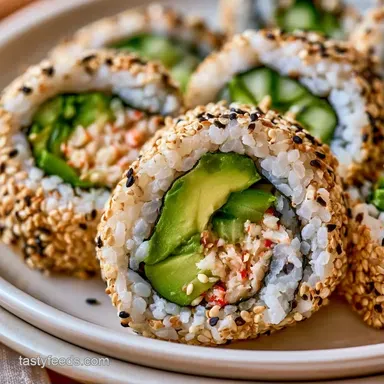
Sesame California Roll with Sushi Rice
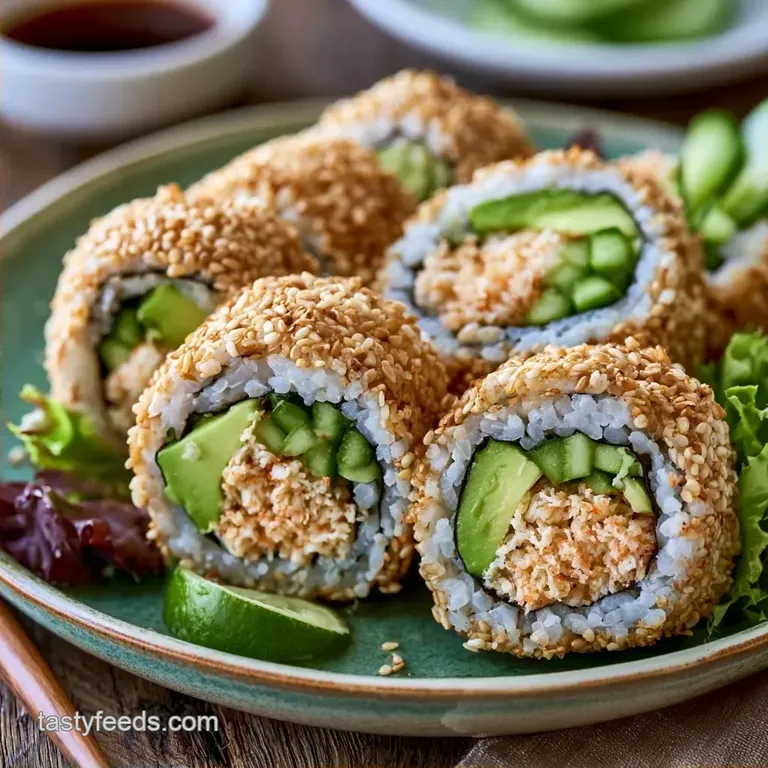
- Time: 20 min active + 20 min cook + 30 min cooling
- Flavor/Texture Hook: Toasty sesame crunch with silky avocado
- Perfect for: Beginner sushi night or a quick, fresh lunch
The smell of toasted sesame seeds hitting a hot pan always takes me back to the first time I tried making sushi at home. It was a disaster. My rice was a gummy, over stirred paste that stuck to every single finger, and the rolls looked more like lumpy sausages than actual sushi.
I spent an hour fighting with a bamboo mat that just wouldn't grip.
The real problem is usually the rice handling. Most people treat sushi rice like regular porridge, but it needs a specific tacky texture to hold everything together. If you overwork it or use it while it is still steaming, your nori turns into a chewy piece of rubber.
Making a Sesame California Roll doesn't have to be a struggle. I've stripped away the fancy requirements and focused on the few moves that actually matter. This approach is about minimal gear and reliable results, so you can actually eat your dinner instead of fighting it.
The Best Sesame California Roll Tips
The trick to a tight roll is the temperature of your rice. You can't just cook it and roll it immediately. If the rice is too hot, the seaweed absorbs that moisture instantly, leaving you with a soggy mess that won't hold its shape. You need to let it cool to room temperature so it stays tacky but not wet.
Another point of failure is the "rice squeeze." I used to press the rice into the nori like I was plastering a wall, which just crushed the grains and made them gummy. Now, I use a light touch. You want the grains to stay distinct, just barely clinging to each other.
For the filling, the balance between the crab and the veg is what makes the Sesame California Roll stand out. If you put too much crab salad in, the roll becomes impossible to close. Stick to a thin, consistent line of ingredients.
It might feel like you aren't adding enough, but the structure is more important than the volume of filling.
Why the Toasted Seeds Matter
The toasted sesame seeds aren't just for looks. They add a smoky, nutty depth that cuts through the richness of the Kewpie mayo and avocado. If you use raw seeds, you lose that aromatic punch. Always toast them in a dry pan for 2-3 minutes until they jump around and smell like popcorn.
What Makes it Stick: The starch in short grain rice creates a natural glue when seasoned with vinegar. This allows the Sesame California Roll to hold its shape without needing a million accessories. For a deeper dive on getting the texture right, check out my sticky rice guide.
Quick Specs and Timing
When you are deciding how to approach this, you can go for the traditional route or a faster "survival" version. The fast version uses a few shortcuts that don't actually hurt the flavor but save your sanity on a Tuesday night.
| Feature | Fast Method | Classic Method | Best For |
|---|---|---|---|
| Rice Prep | Quick rinse + boil | 30 min soak + slow rinse | Speed vs Texture |
| Filling | Pre shredded crab | Hand torn crab | Effort vs Chunkiness |
| Cutting | Wet kitchen knife | Professional sushi knife | Home cook vs Pro |
Right then, let's look at the timing. You've got about 20 minutes of active work and 20 minutes of cooking. The "hidden" time is the 30 minutes the rice needs to cool down. Don't skip it.
- If you are in a rush
- Use pre shredded imitation crab and skip the rice soaking.
- If you want a firmer roll
- Use slightly less mayo in the crab mixture.
- If the rice is too sticky
- Keep a bowl of water and a cloth nearby to wipe your hands constantly.
The Ingredient Breakdown
You don't need a fancy Japanese market for most of this. Most of the California Roll ingredients are available at any standard grocery store. The key is using short grain rice. Long grain rice like Basmati won't work because it lacks the starch needed to bind.
| Ingredient | What It Does | Best Swap |
|---|---|---|
| Short grain Rice | Provides structure/tackiness | Calrose rice |
| Rice Vinegar | Adds tang and preserves rice | Apple cider vinegar + pinch of sugar |
| Imitation Crab | Salty, sweet protein base | Cooked shrimp or surimi |
| Nori Sheets | Holds everything together | Soy based wraps (for vegan) |
Gathering Your Essentials
- 2 cups (400g) short grain Japanese sushi rice Why this? High starch content for better sticking
- 2 ¼ cups (530ml) water
- 3 tbsp (45ml) rice vinegar
- 1 tbsp (12g) granulated sugar
- 1 tsp (6g) salt
- 3 tbsp (25g) toasted sesame seeds Why this? Essential for the nutty aroma
- 8 oz (225g) imitation crab (kanikama), finely shredded Why this? Classic sweet salty flavor
- 2 tbsp (30g) Kewpie mayonnaise Why this? Richer and tangier than regular mayo
- 1 tsp (5ml) sriracha
- ½ tsp (3g) sugar
- 3 sheets (approx. 21g each) Nori (seaweed), halved lengthwise
- 1 large (150g) avocado, thinly sliced Why this? Adds the necessary creamy contrast
- 1 medium (100g) cucumber, julienned into matchsticks
If you don't have Kewpie mayo, regular mayo works, but add a tiny squeeze of lemon juice to mimic that Japanese tang. For the crab, you can use real lump crab, but the imitation version actually fits the traditional California style better.
Minimal Gear You Need
You don't need a full sushi kit. A bamboo mat is the only "special" tool, but even then, you can improvise. If you don't have one, a clean kitchen towel wrapped in plastic wrap works in a pinch.
- Bamboo rolling mat (Makisu)
- Plastic wrap (to prevent sticking)
- Sharp non serrated knife
- Fine mesh strainer
- Rice paddle or flat spatula
The knife is the most important part. A dull knife will squash your Sesame California Roll instead of slicing it. The trick is to wipe the blade with a damp cloth between every single cut.
Assembling the Rolls
Let's crack on with the actual build. This is where the precision comes in, but don't overthink it. Just follow the sensory cues.
Phase 1: Preparing the Foundation
- Rinse the sushi rice in a fine mesh strainer until the water runs clear. Note: This removes excess starch so the rice isn't gummy. According to Serious Eats, rinsing is the most skipped but vital step for texture.
- Cook the rice as directed. While hot, gently fold in the mixture of rice vinegar, sugar, and salt using a rice paddle.
- Spread the seasoned rice on a tray and allow it to cool to room temperature until it feels tacky but not hot.
Phase 2: The Filling
- In a small bowl, combine shredded imitation crab, Kewpie mayonnaise, sriracha, and sugar. Stir until the mixture is creamy and well incorporated.
Phase 3: Rolling the Sesame California Roll
- Place a half sheet of nori on a plastic wrap covered bamboo mat. Wet fingers with water and spread a thin, even layer of rice over the nori, leaving a ½ inch strip of bare seaweed at the top.
- Sprinkle toasted sesame seeds over the rice layer until they are evenly distributed.
- Carefully flip the nori over so the rice side is facing down on the plastic wrap.
- Lay a strip of crab salad, slices of avocado, and cucumber matchsticks across the nori.
- Use the bamboo mat to roll the Sesame California Roll tightly, ensuring a secure seal at the top.
Phase 4: The Precision Cut
- Wet your knife blade. Slice the roll in half, then into quarters, then into eighths. Wipe the blade after every cut to keep the edges clean.
- Rice Water
- Must be clear, not milky.
- Rice Temp
- Room temperature, not steaming.
- Nori Edge
- Exactly ½ inch of bare seaweed for the seal.
Avoiding Common Sushi Blunders
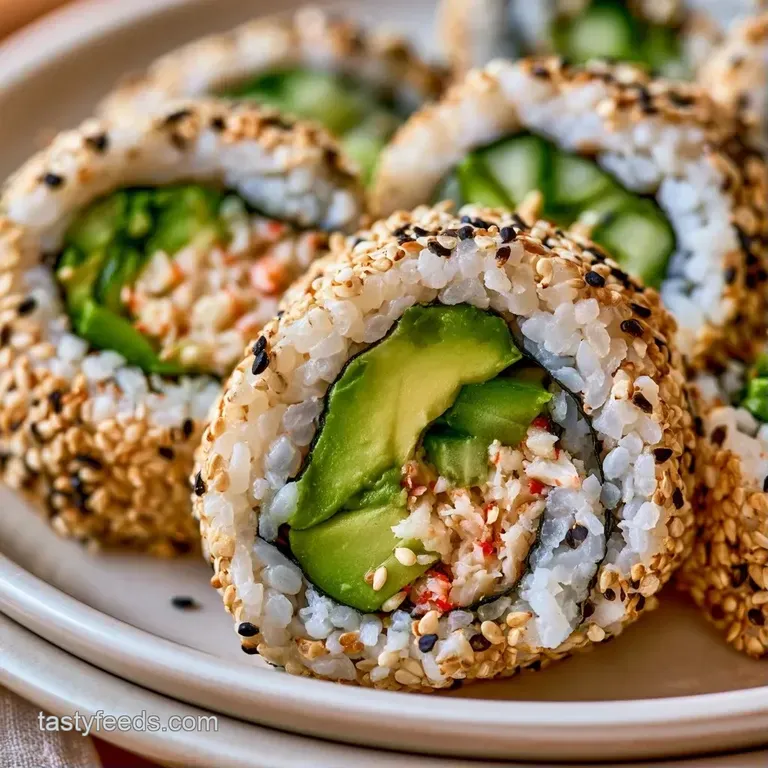
Most people panic when their first roll looks like a burrito. It's normal. The most common issue is the "loose roll," where the ingredients just slide out the moment you cut into it.
Why Your Sesame California Roll Falls Apart
This usually happens because you didn't use the bamboo mat to apply enough pressure. You need to tug the mat slightly toward you as you roll to compress the rice and fillings.
| Problem | Root Cause | Solution |
|---|---|---|
| Rice sticking to hands | Not enough water | Keep a bowl of water nearby |
| Roll falling apart | Loose rolling | Press firmer with the mat |
| Nori becomes chewy | Rice too wet | Let rice cool completely |
If the Rice is Sticking to Your Hands
This is a classic struggle. The starch in the rice is designed to stick. The only fix is water. Keep a small bowl of water and a cloth on your station. Every time you feel the rice clinging to your skin, dip your fingers.
If the Nori Becomes Chewy
If the nori loses its snap and becomes leathery, you likely rolled it while the rice was too hot. Steam is the enemy of crisp nori. Always wait for the rice to hit room temp.
Easy Flavor Twists
Once you've got the basic Sesame California Roll down, you can start messing with the fillings. The base is always the same, but the interior can change based on what's in your fridge.
For a Spicy Twist
Swap the standard crab mix for a spicy crab roll filling by doubling the sriracha and adding a dash of toasted sesame oil.
For a Crunch Factor
Add thin strips of tempura flakes or crushed potato chips inside the roll. This adds a loud crunch that contrasts with the avocado.
For a Vegan Friendly Swap
Replace the imitation crab with marinated tofu or a mixture of mashed chickpeas and vegan mayo. Use a cucumber heavy filling to keep the freshness.
Adjusting Your Batch Size
Scaling a Sesame California Roll recipe is straightforward, but there are a few rules for the rice.
Scaling Down (½ Batch): If you're just making one or two rolls, halve everything. Use a smaller pot for the rice to prevent too much evaporation. Reduce the cooking time by about 20%, but keep an eye on the grain tenderness.
Scaling Up (2x-4x Batch): When making sushi for a crowd, don't just quadruple the salt and sugar in the vinegar mixture. Increase those to 1.5x only, as the flavors intensify in larger batches. Work in batches of 3-4 rolls so the rice doesn't dry out while you're rolling.
Baking Note: If you decide to turn these into "baked sushi" (like a sushi bake), lower your oven temp by 25°F and extend the time to ensure the center is heated without burning the top.
Sushi Myths
I've heard a lot of nonsense about sushi that makes people think they can't do it at home. Let's clear some things up.
Myth: You need "sushi grade" fish for California rolls. Truth: California rolls typically use imitation crab, which is cooked and processed. You don't need expensive, raw grade fish for this specific recipe.
Myth: You must have a professional sushi knife. Truth: Any sharp, non serrated kitchen knife works. The only requirement is that the blade is wet and clean.
Keeping Rolls Fresh
Sushi doesn't age well. Once the rice hits the nori, the clock starts ticking.
Storage: Store your Sesame California Roll in an airtight container in the fridge for up to 24 hours. However, the rice will harden as it chills, and the nori will lose its snap.
Reheating: I don't recommend reheating sushi rolls. The avocado becomes mushy and the nori gets rubbery. If you must, use a microwave on low power for 10-15 seconds just to take the chill off.
- Leftover Rice
- Use any remaining seasoned rice for a quick breakfast porridge or a fried rice side.
- Cucumber Ends
- Don't toss the ends of the cucumber. Slice them into coins and quick pickle them in a bit of rice vinegar and sugar.
- Avocado Pit
- Use the leftover avocado flesh to make a quick mash for toast.
Perfect Side Pairings
The Sesame California Roll is a balanced dish, but it benefits from a bit of acidity and heat on the side.
The Classic Trio: Serve with pickled ginger (gari), a dollop of wasabi, and a small bowl of soy sauce. The ginger cleanses the palate between bites, which is essential when you have the rich avocado and mayo.
A Light Side Pairing: A simple miso soup or a seaweed salad (wakame) provides a salty, umami contrast. If you want something more filling, a side of steamed edamame with sea salt is the way to go.
Right then, you're all set. Making a Sesame California Roll is really just about managing your rice and keeping your hands wet. Don't stress if the first one looks a bit wonky; the flavor is what counts. Enjoy your homemade sushi!
Recipe FAQs
What is a California roll made of?
Rice, seaweed, and a creamy filling. It consists of seasoned short grain Japanese sushi rice and nori wrapped around avocado, cucumber, and a mix of shredded imitation crab, Kewpie mayonnaise, and sriracha.
Can I use real crab instead of imitation crab meat?
Yes, real crab works well. Fresh lump crab meat provides a more delicate, natural flavor, though it lacks the specific sweetness found in kanikama.
How do I keep the sushi rice from sticking to my hands when spreading it on the nori?
Wet your fingers with water. This creates a thin barrier that prevents the tacky rice grains from adhering to your skin. If you enjoyed mastering this tacky texture here, see how the same principle works in our rice cooker sushi rice guide.
What if I don’t have a sushi mat? Can I still make these rolls?
Yes, you can use a clean kitchen towel. Cover the towel with plastic wrap to prevent sticking, then roll the sushi tightly just as you would with a bamboo mat.
How do I keep the avocado from browning?
Slice the avocado immediately before rolling. Since this recipe relies on fresh ingredients without acidic additives, minimizing exposure to air is the best way to maintain a bright green color.
Can I make these rolls ahead of time?
No, it is best to serve them fresh. The nori absorbs moisture from the rice over time, which turns the seaweed chewy and compromises the roll's structural integrity.
Do you toast sesame seeds for sushi?
Yes, toasting enhances the flavor. Gently heating the seeds in a pan releases a nutty aroma that perfectly balances the creaminess of the avocado and crab salad.
Sesame California Roll for 4 Servings