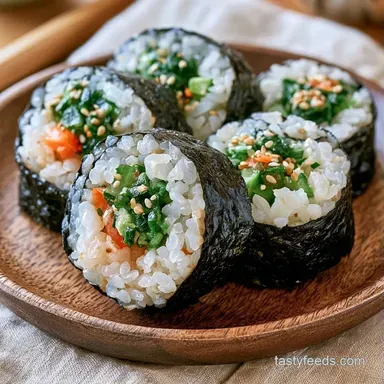
Japanese Maki Rolls with Seasoned Rice
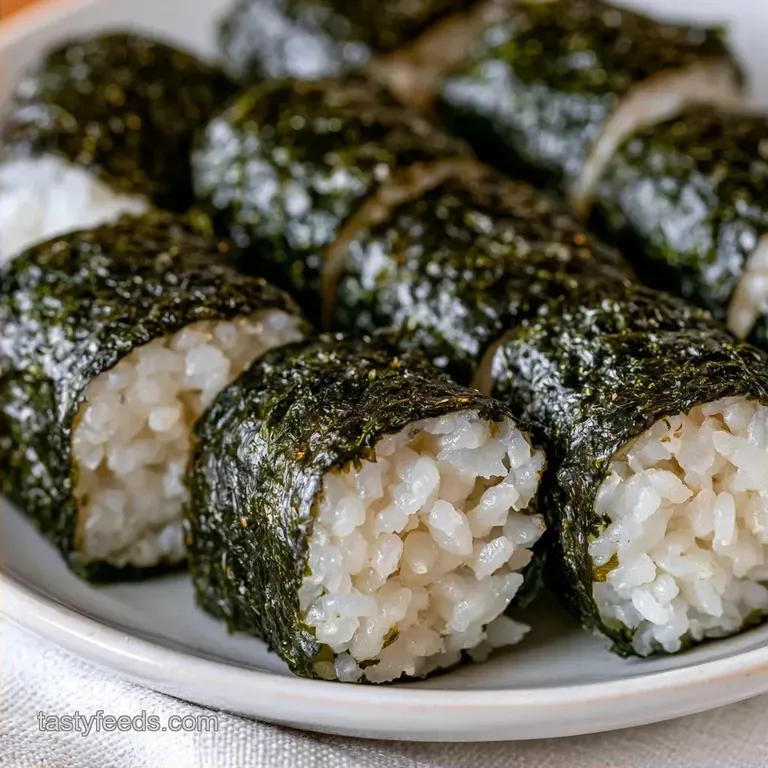
- Time: 30 min active + 20 min cook + 45 min resting/prep
- Flavor/Texture Hook: Vinegary rice with crisp cucumber and buttery avocado
- Perfect for: A fun date night or a light, fresh dinner
I remember the first time I tried making these at home. I just used regular long grain rice and didn't bother washing it. The result was a gummy, sticky mess that tasted like nothing.
I spent twenty minutes fighting a piece of nori that wouldn't stick, and when I finally sliced the roll, it just flattened into a pancake.
It's a frustrating start, but the fix is actually simple. You just need the right rice and a few specific habits with your knife.
Once you get the hang of the "slice and fold" method for the rice, you'll see why the texture changes so much. We're making Japanese Maki Rolls that actually hold their shape and taste like they came from a proper shop.
Making Japanese Maki Rolls
The Rice Fold: Using a slicing motion instead of stirring keeps the grains whole. This prevents the rice from turning into a paste.
The Temperature: Cooling the rice with a fan while seasoning helps the vinegar absorb. This gives the rice a glossy look.
| Method | Time | Texture | Best For |
|---|---|---|---|
| Rice Cooker | 40 mins | Soft | Quick weeknights |
| Stovetop Pot | 60 mins | Firmer | Traditional feel |
Recipe Specs
| Ingredient | What It Does | Best Swap |
|---|---|---|
| Sushi Rice | Provides the structure | Short grain Calrose |
| Rice Vinegar | Adds the signature tang | Apple cider vinegar |
| Nori | Holds everything together | Soy based seaweed sheets |
| Sashimi Tuna | Adds rich protein | Smoked salmon |
What You'll Need
- 2 cups (400g) short grain Japanese sushi rice Why this? High starch levels make it sticky enough to hold.
- 2 ¼ cups (530ml) filtered water
- 3 tbsp (45ml) rice vinegar
- 1 tbsp (12g) sugar
- 1 tsp (6g) salt
- 6 sheets (30g) roasted nori
- 4 oz (115g) sashimi grade tuna or salmon Why this? Must be flash frozen to be safe for raw eating.
- 1 medium (150g) cucumber Why this? Adds a necessary crunch.
- 1 large (150g) avocado Why this? Adds a silky richness to the roll.
- 2 tbsp (30g) toasted sesame seeds
- 2 tbsp (30ml) low sodium soy sauce
- 1 tbsp (15g) pickled ginger
- 1 tsp (5g) wasabi paste
| Original Ingredient | Substitute | Why It Works |
|---|---|---|
| Sashimi Tuna | Smoked Salmon | Similar fat content. Note: Much saltier flavor |
| Rice Vinegar | Apple Cider Vinegar | Similar acidity. Note: Slightly fruitier notes |
| Avocado | Cream Cheese | Provides similar creaminess. Note: Heavier taste |
Equipment Needed
You don't need a professional kitchen for this. A basic rice cooker or a heavy bottomed pot works. You'll definitely want a bamboo rolling mat, but if you're in a pinch, a clean kitchen towel or a piece of parchment paper can work.
The most important tool is a very sharp knife. A dull blade will just squash your Japanese Maki Rolls instead of cutting through them. I usually use a thin chef's knife.
Key Steps
- Wash the rice in cold water 3-4 times until the water runs clear. Note: This removes the surface starch so it doesn't get gummy.
- Combine rice and water in a cooker. Once cooked, let it steam undisturbed for 10 minutes.
- Transfer hot rice to a wooden bowl. Gently fold in the rice vinegar, sugar, and salt using a slicing motion with a paddle.
- Fan the rice manually while folding to cool it to room temperature for a glossy finish.
- Place a sheet of nori shiny side down on a bamboo mat.
- Wet fingers in water and spread a thin, even layer of rice over the nori, leaving a 1 inch border at the top edge.
- Arrange the lean protein and julienned vegetables in a neat row across the center of the rice.
- Lift the bottom edge of the nori using the mat, tuck it over the fillings, and roll forward into a tight cylinder.
- Seal the roll shut using a tiny drop of water on the top border of the nori.
- Dampen the blade of a sharp knife with a wet cloth.
- Cut the roll in half, then cut each half into thirds or quarters, wiping the blade clean between every cut.
Solving Common Roll Issues
If your rolls are falling apart, it's usually a pressure issue. You might be too gentle with the mat. You need to tuck the fillings in firmly before rolling the rest of the way.
Troubleshooting Common Issues
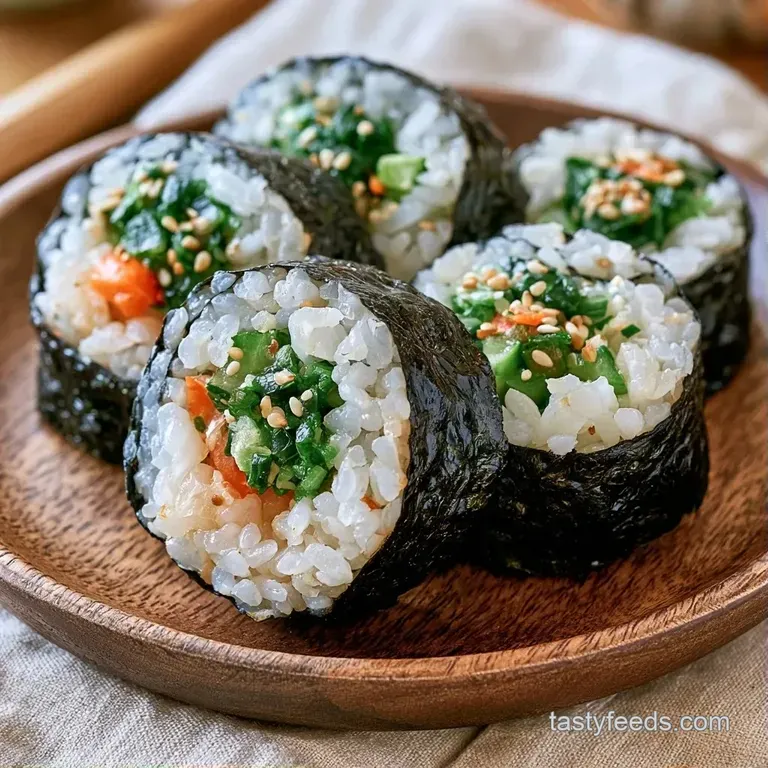
| Issue | Solution |
|---|---|
| Why Your Rice Is Mushy | Over stirring the rice breaks the grains. When you add the vinegar, don't stir in circles. Use a cutting motion to "slice" the vinegar into the rice. |
| Why Your Roll Unravels | This happens when the rice layer is too thick at the end or the roll isn't tight. Keep the rice layer thin and use the mat to apply steady pressure. |
| Why Your Nori Is Rubbery | Nori absorbs moisture from the air. If it feels chewy, it's likely been exposed to steam or humidity for too long. |
Different Filling Ideas
You can get creative with the insides. If you want something different, try my homemade sushi rolls guide for more combo ideas.
For vegetarians, swap the fish for marinated tofu or pickled radish. I love adding thin strips of bell pepper for a pop of color.
For the Lean Fillings
Stick to proteins that are easy to slice into long strips. Tuna and salmon are classic, but shrimp or crab sticks work well for beginners.
For the Serving Side
Serve with a side of edamame or a simple miso soup. This balances the richness of the avocado in the Japanese Maki Rolls.
Sizing the Recipe
If you're just cooking for one, you can easily halve this. Use a smaller pot for the rice, but keep the water ratio exactly the same. Reduce the cooking time by about 20% if using a smaller volume of rice.
For a party, you can double or triple the batch. Don't just triple the salt and sugar, though. Increase the seasonings to 1.5x first, then taste the rice. It's easier to add more than to fix over salted rice.
| If you want... | Do this... |
|---|---|
| Half batch | Use 1 cup rice / 1.1 cups water |
| Party size | Work in batches of 3 rolls |
| Low carb | Use cauliflower rice (Note: Won't stick as well) |
Common Sushi Myths
Many people think you need expensive, specialized rice. While Japanese short grain is best, any high starch short grain rice will work. The seasoning is what actually creates the "sushi" taste.
Another myth is that all raw fish is dangerous. As long as you buy sashimi grade fish, which has been flash frozen to kill parasites, it's perfectly safe.
Fresh Storage Tips
Store your Japanese Maki Rolls in the fridge for up to 24 hours. Wrap them tightly in plastic wrap to prevent the rice from drying out.
Don't freeze these. The rice will change texture and become grainy, and the cucumber will lose its crunch.
To avoid waste, use your leftover cucumber peels to make a quick vinegar pickle. Just soak them in a mix of rice vinegar and salt for an hour.
Best Ways to Serve
Plate them on a wooden board or a flat ceramic platter. Arrange the rolls in a staggered pattern to make the plate look full.
Put a small mound of wasabi and a pile of pickled ginger on the side. I like to put the soy sauce in a shallow dish so the rolls can be dipped without falling apart.
For drinks, a cold green tea or a dry sake works best. These cut through the fat of the fish and avocado.
The Big Detail
The most important part is the wet knife. If you use a dry knife, the rice sticks to the blade and drags the roll apart.
Keep a damp towel on your cutting board. Wipe the blade after every single cut. This is how you get those clean, restaurant style edges on your Japanese Maki Rolls.
If you're looking for a version that doesn't require all the rolling effort, you might enjoy an easy sushi bake instead. It gives you the same flavors but in a casserole style.
Trust me on the wet knife trick. It's the difference between a roll that looks professional and one that looks like it was crushed.
Recipe FAQs
Is it hard to make homemade sushi?
No, it is quite approachable. The main challenge is prepping the rice, but following a simple folding method makes the rolling process straightforward.
How to make authentic sushi?
Wash short grain rice until the water runs clear. Once cooked and steamed, fold in a mixture of rice vinegar, sugar, and salt using a slicing motion to keep the grains intact.
How to make homemade sushi without raw fish?
Substitute the sashimi grade protein with avocado or cucumber. If you've mastered the rolling technique here, you can apply the same logic to create a Philadelphia roll using smoked salmon.
What is the recipe for vegetarian sushi?
Use a combination of avocado and julienned cucumber. Spread a thin layer of rice over the nori and arrange these vegetables in the center before rolling tightly.
How to make sushi without seaweed and mat?
Use a clean kitchen towel or parchment paper. Lay your ingredients on the substitute surface and roll firmly, though you will lose the traditional structure provided by nori.
What is the difference between Futomaki and Maki sushi rolls?
Futomaki refers to thick rolls, while Maki is a general term for rolled sushi. Futomaki typically contains more ingredients and has a larger diameter than standard Maki.
Why does my sushi roll unravel after cutting?
This usually happens if the rice layer is too thick or the roll isn't tight. Use the bamboo mat to apply steady pressure and keep the rice thin to ensure a secure seal.
Japanese Maki Rolls for 6 Thin Rolls