Southern Cheesy Squash Casserole: Creamy and Golden
- Time: Active 15 minutes, Passive 30 minutes, Total 45 minutes
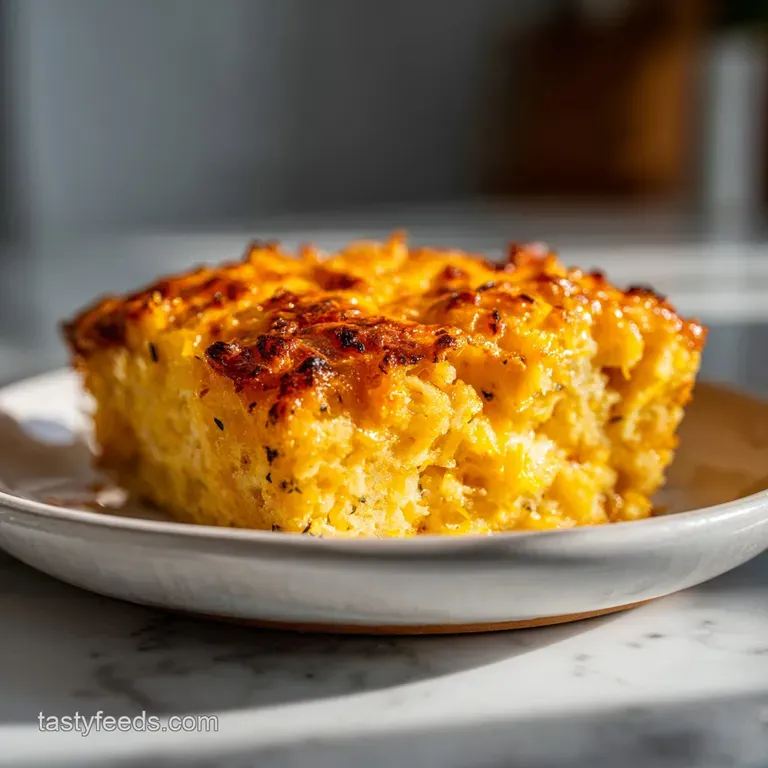
- Flavor/Texture Hook: Golden cracker crust that shatters over a creamy, sharp cheddar squash base.
- Perfect for: Potlucks, holiday sides, or a high speed weeknight dinner.
- Mastering Southern Cheesy Squash Casserole
- Texture Development Mechanics and Flavor Balance
- Component Analysis and Pro Secrets
- Essential Components for Bold Flavor
- Necessary Kitchen Gear for Success
- Detailed Cooking Steps for Success
- Troubleshooting Common Texture Disasters
- Bold Flavor Variations and Additions
- Fresh Storage and Reheating Tips
- Smart Pairing Ideas for Dinner
- Busting Squash Casserole Kitchen Myths
- Recipe FAQs
- 📝 Recipe Card
Mastering Southern Cheesy Squash Casserole
The scent of sautéing onions and squash in a puddle of butter is the universal signal in a Southern kitchen that something good is happening. It's a smell that takes me back to humid July afternoons when the garden was producing more yellow squash than we knew what to do with.
This dish wasn't just a side; it was a survival strategy for the summer harvest. It was the centerpiece of every church social and the first thing to disappear at family reunions. We called it "the yellow bake," and it was the bridge between a simple vegetable and pure, unadulterated comfort.
In my kitchen, I’ve learned that the secret isn't just piling on cheese though that certainly helps. It’s about managing the water content of the squash. My grandmother used to boil the squash until it was mush, then try to squeeze the life out of it in a dish towel.
It was labor intensive and messy. I’ve found a much faster way that actually tastes better: a over high heat sear in a skillet. This method keeps the squash from becoming a watery soup while developing a slight caramelization that boosts the natural sweetness of the vegetable.
This version is designed for the cook who doesn't have all day. We are going for bold flavors and reliable textures without the complicated prep. By using a specific cracker to Parmesan ratio for the crust, we ensure that every bite has that satisfying crunch that contrasts against the silky, cheesy interior.
It’s a straightforward, no nonsense approach to a classic that guarantees you won't end up with a soggy mess at the bottom of your baking dish.
Texture Development Mechanics and Flavor Balance
To get this right, you have to understand how the ingredients interact during that 30 minutes in the heat. Squash is essentially a sponge full of water. If you just toss it in a dish and bake it, that water releases and turns your cheese sauce into a thin, broken liquid.
We prevent this by attacking the moisture twice: once in the skillet and once with our binder.
- Moisture Evaporation: Sautéing the sliced rounds for 8 to 10 minutes allows the internal cellular structure to collapse and release steam before it enters the oven.
- Protein Coagulation: The single beaten egg acts as a structural net, grabbing onto the sour cream and cheese to create a stable custard that holds the squash in place.
- Lipid Saturation: Mixing melted butter directly into the cracker crumbs ensures every bit of starch is coated, leading to a more even browning and a richer mouthfeel.
- Starch Barrier: The buttery crackers absorb any residual moisture released during the final bake, acting as a secondary insurance policy against sogginess.
| Prep Method | Cook Time | Texture Outcome | Best For |
|---|---|---|---|
| Sauté Method | 45 minutes | Tender but distinct slices | Best Flavor/Texture |
| Boiling Method | 55 minutes | Soft, mashed consistency | Traditional preference |
| Raw Bake | 60 minutes | Watery and crunchy | Emergency only |
The sauté method is the clear winner for anyone who values time and flavor. It cuts down the total oven time because the vegetables are already partially cooked and hot when they hit the pan.
This means the 20 minutes in the oven is mostly about melting the cheese and crisping the topping, rather than trying to cook raw vegetables through a thick layer of dairy.
Component Analysis and Pro Secrets
Understanding your ingredients is the first step toward a dish that actually works every single time. We aren't just throwing things in a bowl; we are building a structure of flavor and fat that can withstand the heat.
| Ingredient | Science Role | Pro Secret |
|---|---|---|
| Yellow Squash | Main bulk and fiber | Use smaller squash; they have fewer seeds and less water. |
| Sharp Cheddar | Fat and emulsifier | Grate it yourself for a smoother melt without anti clumping agents. |
| Sour Cream | Acid and moisture | Use full fat only to prevent the sauce from curdling or breaking. |
| Buttery Crackers | Structural topping | Crush them into varied sizes for a mix of fine crumbs and large flakes. |
A small trick I learned after years of soggy casseroles is to let the sautéed squash sit in a colander for exactly two minutes after they leave the skillet. Even after a good sauté, they will continue to weep a little liquid.
Draining that tiny bit of extra moisture is the difference between a "good" casserole and a "velvety" masterpiece.
Essential Components for Bold Flavor
For the best results, stick to the quantities listed here. Each element has been balanced to provide a specific texture or flavor note. If you try to cut corners with low-fat versions, the sauce will lack the body needed to support the heavy squash slices.
- 2 lbs yellow squash: Sliced into 1/4 inch rounds for even cooking.
- 1 small yellow onion: Finely diced to provide a sweet, savory base.
- 4 tbsp unsalted butter: Divided into two 2 tablespoon portions.
- 1/2 tsp salt: Essential for drawing out moisture during the sauté.
- 1/2 cup full fat sour cream: Provides the tangy, creamy backbone of the sauce.
- 1 cup sharp cheddar cheese: Freshly shredded Why this? Pre shredded cheese is coated in starch which prevents a silky melt.
- 1 large egg: Lightly beaten to bind the components together.
- 1/4 tsp black pepper: Adds a subtle heat to cut through the richness.
- 1/4 tsp garlic powder: Provides a background savory note without being overpowering.
- 1 cup buttery round crackers: Coarsely crushed (think Ritz or similar).
- 1/2 cup Parmesan cheese: Finely grated Why this? Parmesan adds a salty, nutty crust that won't burn as fast as cheddar.
If you find yourself missing an ingredient, don't panic. This dish is forgiving as long as you maintain the fat to binder ratio. If you want a similar vibe with a different vegetable profile, my Corn and Squash Casserole recipe is a fantastic alternative that leans into the sweetness of late summer produce.
| Original Ingredient | Substitute | Why It Works |
|---|---|---|
| Sour Cream | Greek Yogurt | Same acidity and fat, though slightly more "tangy" finish. |
| Sharp Cheddar | Gruyere | Excellent melting properties with a more sophisticated, nutty flavor. |
| Buttery Crackers | Panko Breadcrumbs | Provides a lighter, airier crunch; add extra butter for flavor. |
Necessary Kitchen Gear for Success
You don't need a high end kitchen to make this, but having the right tools makes the process much faster. I am all about efficiency, and these three items are my survival kit for any casserole style dish.
- Large Cast Iron Skillet: This is the best tool for the sauté. It holds heat beautifully and ensures the squash gets a quick sear rather than just steaming in its own juices. A standard non stick pan works, but you won't get that same depth of flavor.
- 9x13-inch Baking Dish: This provides enough surface area so the casserole isn't too thick. If the layers are too deep, the center won't set before the top burns. A 2 quart ceramic dish is a perfect alternative.
- Box Grater: Don't use the pre bagged stuff. A box grater takes two minutes and gives you cheddar that actually melts into a velvety sauce instead of sitting on top like a waxy blanket.
Chef's Tip: Before you start cooking, crush your crackers inside their plastic sleeve. It saves you from washing an extra bowl and keeps the crumbs from flying all over your counter. Just squeeze the bag until you feel the right texture.
Detailed Cooking Steps for Success
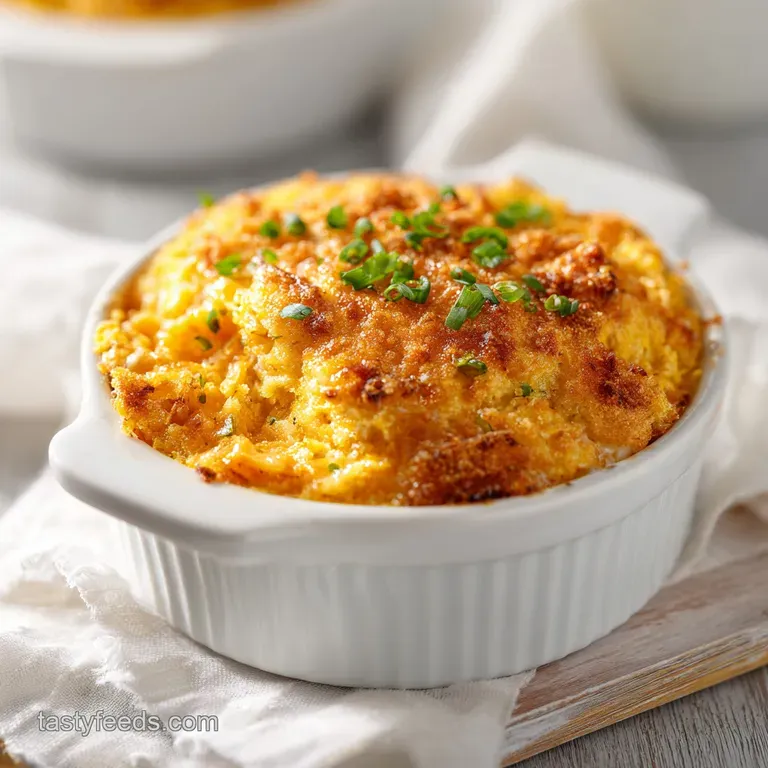
Follow these steps exactly to ensure your cheesy squash casserole has the perfect balance of tender vegetables and a crispy top. Timing is everything here, so have your oven preheated and your ingredients prepped before the squash hits the heat.
- Preheat your oven to 350°F (175°C) and lightly grease your 9x13-inch baking dish with butter or non stick spray.
- Melt 2 tablespoons of butter in your large skillet over medium high heat. Note: High heat is key to evaporating water quickly.
- Add the 2 lbs of sliced squash and the diced onion with 1/2 tsp of salt. Sauté for 8–10 minutes until the onions are translucent and the squash is tender crisp.
- Drain the sautéed vegetables in a colander for 2 minutes to remove any liquid that pooled in the pan.
- In a large mixing bowl, whisk the 1/2 cup sour cream, 1 beaten egg, 1 cup shredded cheddar, 1/4 tsp pepper, and 1/4 tsp garlic powder until the binder is smooth and pale yellow.
- Gently fold the warm squash and onions into the cream mixture. Use a spatula to ensure every slice is coated in the cheese sauce.
- Transfer the mixture to the prepared baking dish, spreading it into an even layer.
- In a small bowl, mix the 1 cup crushed crackers, 1/2 cup Parmesan, and the remaining 2 tablespoons of melted butter.
- Sprinkle the cracker mixture evenly over the casserole. Don't press it down; keep it loose for maximum crunch.
- Bake for 20 minutes (for a total cook time of 30 minutes including sautéing) until the topping is mahogany colored and the edges are bubbling.
Let the casserole rest for 5 minutes after it comes out of the oven. This allows the egg binder to fully set, ensuring that when you scoop into it, the dish holds its shape rather than running all over the plate.
Troubleshooting Common Texture Disasters
Even with a simple recipe, things can go sideways. The most common complaint with any squash dish is the texture. If your casserole doesn't look like the golden, bubbling dream you expected, it's usually down to one of two things: water or heat.
The "Soup" Syndrome
If you pull your casserole out and it looks like the squash is swimming in a pool of liquid, the squash didn't spend enough time in the skillet. Squash is over 90% water. If you don't cook that water out during the sauté, it has nowhere to go but into your sauce.
Another culprit could be using low-fat dairy, which lacks the protein structure to hold onto the vegetable juices.
| Problem | Root Cause | Solution |
|---|---|---|
| Watery Sauce | Undercooked squash | Sauté longer and use a colander to drain every drop of liquid. |
| Gritty Topping | Cold butter | Ensure the butter is fully melted before mixing with cracker crumbs. |
| Curdled Base | High heat/low fat | Use full fat sour cream and don't exceed 350°F oven temperature. |
The Burnt Topping Trap
Because cracker crumbs are already baked, they can turn from golden to burnt very quickly. If your oven runs hot, or if you placed the rack too high, that topping will darken before the cheese inside is fully melted.
Common Mistakes Checklist:
- ✓ Slicing the squash too thick (they won't soften in time).
- ✓ Skipping the colander drain (the #1 cause of sogginess).
- ✓ Using "shaky" Parmesan from a green can (it won't melt properly).
- ✓ Over mixing the squash (it will turn into a mash instead of distinct slices).
- ✓ Forgetting to let the dish rest for 5 minutes before serving.
Bold Flavor Variations and Additions
While the classic Southern version is hard to beat, sometimes you want to mix it up based on what's in your fridge. The foundation of this recipe is incredibly sturdy, meaning you can swap or add ingredients without ruining the structural integrity of the bake.
The Cheesy Zucchini and Squash Casserole
If you have a mix of green and yellow vegetables, use them! Substituting half of the yellow squash for zucchini adds a beautiful color contrast and a slightly firmer texture. Zucchini holds its shape a bit better than yellow squash, making for a very pretty slice.
The Spicy Southern Kick
For those who want a bit more "survival" flavor, add 4 ounces of diced green chiles or a teaspoon of smoked paprika to the binder. This cuts through the richness of the cheddar and sour cream. You can also swap the sharp cheddar for Pepper Jack if you want a more aggressive heat profile.
The Herb Injected Variation
Fresh herbs can transform this from a heavy side dish into something that feels light and garden fresh. Fold in two tablespoons of chopped fresh chives or one tablespoon of fresh thyme leaves during step 6. The earthiness of the thyme pairs perfectly with the buttery cracker crust.
Fresh Storage and Reheating Tips
One of the best things about a cheesy squash casserole is that it actually tastes better the next day. The flavors have time to meld, and the squash continues to absorb that savory cheese sauce.
Storage: Keep leftovers in an airtight container in the fridge for up to 4 days. If you are keeping it in the original baking dish, wrap it tightly with plastic wrap or foil to prevent it from drying out or absorbing other "fridge smells."
Freezing: I generally don't recommend freezing this dish after it's baked. Squash has a very high water content, and when it freezes and thaws, the cell walls collapse completely, leaving you with a mushy texture.
If you must freeze it, do so before the final bake and without the cracker topping. Thaw it completely in the fridge before adding the topping and baking.
Reheating: To maintain that "shatter" in the crust, avoid the microwave. Reheat portions in a 350°F oven for 10 to 12 minutes. This will recrisp the crackers and melt the cheese evenly.
If the topping is already very dark, cover it loosely with foil while it reheats.
Zero Waste Tip: If you have just a small scoop left, don't throw it out. It makes an incredible filling for a breakfast omelet the next morning. The squash and cheese are already seasoned and cooked, so just fold them into your eggs for a high speed, gourmet breakfast.
Smart Pairing Ideas for Dinner
Since this is a rich, creamy side dish, you want to pair it with something that has a bit of acidity or a solid protein structure. It’s a versatile player that fits into almost any menu, but it really shines next to classic comfort foods.
The golden crust and velvety interior are the perfect match for my Baked Chicken Parmesan. The tomato sauce from the chicken provides the acid needed to balance out the heavy cheddar in the casserole. If you're looking for a lighter dinner, serving this alongside a simple roast chicken or even a grilled steak works wonders. The squash acts as both your starch and your vegetable, simplifying your meal prep significantly.
If you are doing a full "casserole night," this pairs beautifully with other textures. You could serve it alongside a Classic Tuna Noodle Casserole for a retro themed dinner that is guaranteed to satisfy everyone at the table. Just remember that since this dish is quite rich, you might want a simple green salad on the side to refresh the palate between bites.
Busting Squash Casserole Kitchen Myths
There are a few "rules" floating around the internet about squash that just aren't true. Let's set the record straight so you can cook with confidence.
Myth: You have to peel the squash for a smooth texture. Truth: Never peel your yellow squash! The skin is incredibly thin and contains most of the nutrients and color. When sautéed, it becomes perfectly tender and adds a beautiful golden hue to the final dish.
Peeling it just adds unnecessary work and leaves you with a mushier result.
Myth: low-fat cheese and sour cream work just as well. Truth: In this specific recipe, fat is a structural component. low-fat sour cream contains more water and stabilizers, which can cause the sauce to "weep" or break under the heat of the oven.
If you want that velvety, professional finish, stick to the full fat versions. It's a side dish enjoy the richness!
Myth: Sautéing the squash is an optional step. Truth: This is the most dangerous myth in the casserole world. If you skip the sauté, you are effectively adding about half a cup of water to your baking dish.
Your topping will be soggy, your sauce will be thin, and your squash will be undercooked in the center. Those 10 minutes at the stove are the most important minutes of the entire process. Trust me on this don't skip the sear.
Recipe FAQs
What are some common mistakes in squash casserole?
Failing to drain the sautéed vegetables is the primary error. Excess moisture prevents the binder from setting, leading to a watery result. Always sauté until the liquid has evaporated and drain any residual moisture in a colander before mixing.
Is it true I should use canned squash for this recipe?
No, this is a common misconception. Fresh yellow squash provides the necessary structure and clean flavor, whereas canned versions are too soft and contribute too much water to the dish.
What cheese goes best with squash?
Sharp cheddar and Parmesan are the standard pairing. Sharp cheddar offers the creamy melt needed for the binder, while Parmesan provides a salty, crisp element for the topping that complements the mild flavor of the squash.
How to prevent the casserole from becoming watery?
Sauté the squash and onions over medium high heat for 8 10 minutes. This process draws out internal moisture so the casserole bubbles properly instead of turning into a soup in your baking dish.
What is Jackie Kennedy's casserole?
There is no documented association between this specific recipe and Jackie Kennedy. Classic squash casserole is a staple of Southern American home cooking rather than a signature dish linked to historical figures.
What is a cowboy casserole?
A cowboy casserole generally refers to a meat based dish featuring ground beef, beans, and potatoes. It is distinct from a vegetable forward squash casserole, which relies on a light cream and egg binder rather than hearty proteins.
How to achieve a perfect golden crust on top?
Combine crushed buttery crackers with Parmesan and melted butter before baking for 20 minutes. If you enjoyed mastering this texture control for the topping, you can apply similar logic when adding crunch to other baked party favorites.
Cheesy Squash Casserole with Golden Cracker Crust in 45 Minutes