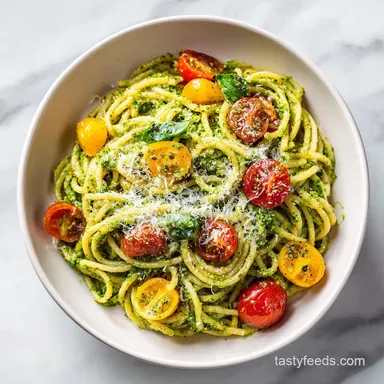
Easy Pesto Pasta Recipe: Creamy and Fresh
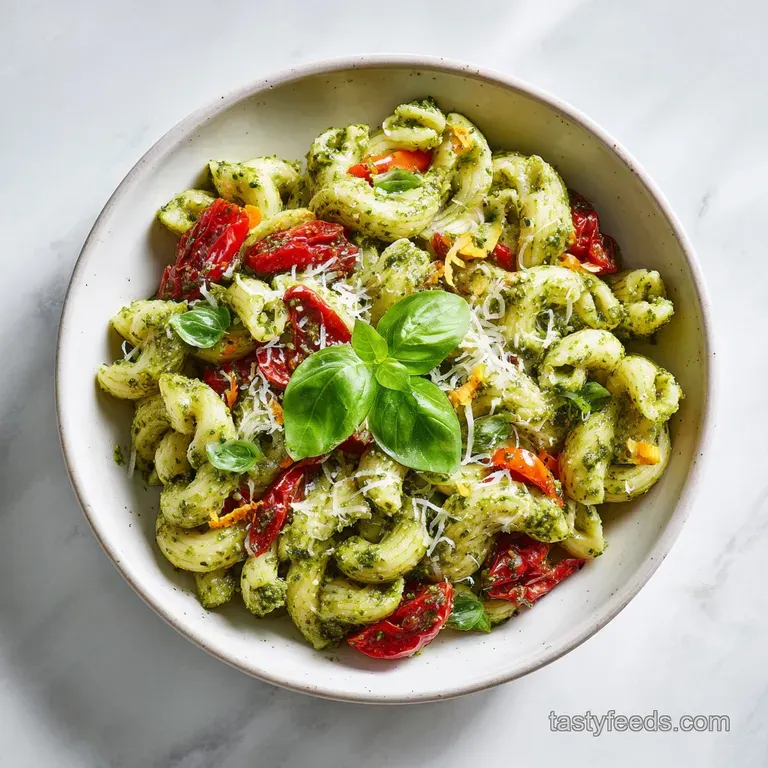
- Time: Active 5 minutes, Passive 10 minutes, Total 15 minutes
- Flavor/Texture Hook: Zesty, herbaceous, and incredibly velvety
- Perfect for: High speed weeknight survival or a bold flavored emergency dinner
- A Fast and Bold Easy Pesto Pasta Recipe
- Why This Vibrant Green Sauce Stays Bright
- Simple Components for Maximum Flavor Impact
- Essential Gear for a Quick Dinner
- Putting Everything Together in Fifteen Minutes
- How to Avoid Common Pesto Disasters
- Smart Swaps for Busy Home Cooks
- Managing Your Leftovers the Right Way
- Perfect Pairings for a Complete Meal
- Shattering Pesto Kitchen Myths
- Recipe FAQs
- 📝 Recipe Card
A Fast and Bold Easy Pesto Pasta Recipe
You know that specific, sharp aroma that hits your nose when you tear a fresh basil leaf? It’s peppery, sweet, and somehow smells like the peak of summer, even if you’re standing in a cramped kitchen in the middle of a rainy Tuesday. That’s the soul of this easy pesto pasta recipe.
I remember the first time I realized that pesto wasn't supposed to be a dull, oily sludge from a jar. I was standing over a food processor, watching the oil turn into a vibrant, neon green silk, and the scent was so intense it actually made my mouth water before I’d even boiled the water.
This isn’t about making a complicated culinary masterpiece; it’s about survival cooking that tastes like a luxury. We are moving fast here. We’re talking about a 15 minute turnaround from "I'm starving" to "this is the best thing I've eaten all week." The goal is a sauce that’s bold, punchy with garlic, and slick enough to coat 1 lb of pasta perfectly without leaving a pool of grease at the bottom of your bowl.
We’re going to use a few smart tricks to keep the color bright and the texture creamy. If you've ever ended up with a gritty, brown mess, don't worry I've made that mistake more times than I can count. We’re going to fix that today with a focus on temperature control and emulsification.
Get your pot of water on the stove, and let's get into the mechanics of why this works so well.
Why This Vibrant Green Sauce Stays Bright
Getting a pesto to stay that vivid emerald color while achieving a velvety mouthfeel isn't magic; it's basic kitchen physics that we can use to our advantage.
- Thermal Protection: Adding the pesto to the pasta "off the heat" prevents the basil from oxidizing and turning a dull, swampy brown.
- Starch Bonding: The reserved 0.5 cup starchy pasta water acts as a "glue" that binds the fat in the oil to the water, creating a creamy emulsion.
- Acid Stabilization: A tiny splash of lemon juice helps maintain the chlorophyll’s brightness while cutting through the heavy fat of the Parmesan and oil.
- Cellular Breakdown: Pulsing the garlic and nuts first into a "coarse sand" ensures a smooth distribution of flavor before the delicate basil is added.
| Method | Total Time | Texture | Best For |
|---|---|---|---|
| Traditional Mortar | 25 minutes | Chunky/Rustic | Slow weekends |
| Food Processor | 15 minutes | Smooth/Velvety | Busy weeknights |
| Blender | 12 minutes | Liquid/Uniform | Large batches |
Choosing the food processor method is the ultimate survival move. It’s faster than a mortar and pestle but gives you more control over the texture than a high speed blender, which can sometimes "cook" the basil with its blade friction.
Simple Components for Maximum Flavor Impact
To keep this budget smart, we have to be strategic about where we spend our money. Fresh basil is non negotiable, but we can play around with the fats and proteins to make it work for your wallet.
| Component | Role | Pro Secret |
|---|---|---|
| Fresh Basil (2 cups) | The aromatic heart | Pack the leaves tight for an intense flavor hit. |
| Pine Nuts (0.33 cup) | Creamy, fatty base | Toasting them for 2 minutes unlocks a deep, smoky sweetness. |
| Parmesan (0.5 cup) | The salty "umami" | Grate it fresh; the pre shredded stuff has cellulose that ruins the melt. |
| Extra Virgin Olive Oil (0.5 cup) | The flavor carrier | Use a "buttery" oil rather than a "peppery" one to let the herbs shine. |
For those looking for a different vibe, you might find that the bold, garlic forward nature of this dish reminds you of a Mediterranean chicken gyro because of that fresh herb intensity. Both rely on high-quality fat and fresh greens to do the heavy lifting.
Essential Gear for a Quick Dinner
You don't need a professional kitchen to pull this off, but having the right tools makes the 15 minute goal actually achievable. If you’re rushing, you don't want to be hunting for a lost whisk or a dull knife.
First, you need a large pasta pot. We’re boiling 1 lb of pasta, and it needs room to dance so it doesn't turn into a sticky clump. A food processor is my go to for the pesto itself. If you don't have one, a standard blender works, but you’ll need to be careful not to over process it into a soup.
For the chicken, a stainless steel skillet or a cast iron pan is best. You want something that can handle medium high heat to get that golden sear on the 1 lb chicken breast strips.
Finally, a pair of sturdy tongs is your best friend for "tossing vigorously." This isn't just for show; the physical action of tossing helps the pasta water and pesto emulsify into that glossy coating we’re after.
Putting Everything Together in Fifteen Minutes
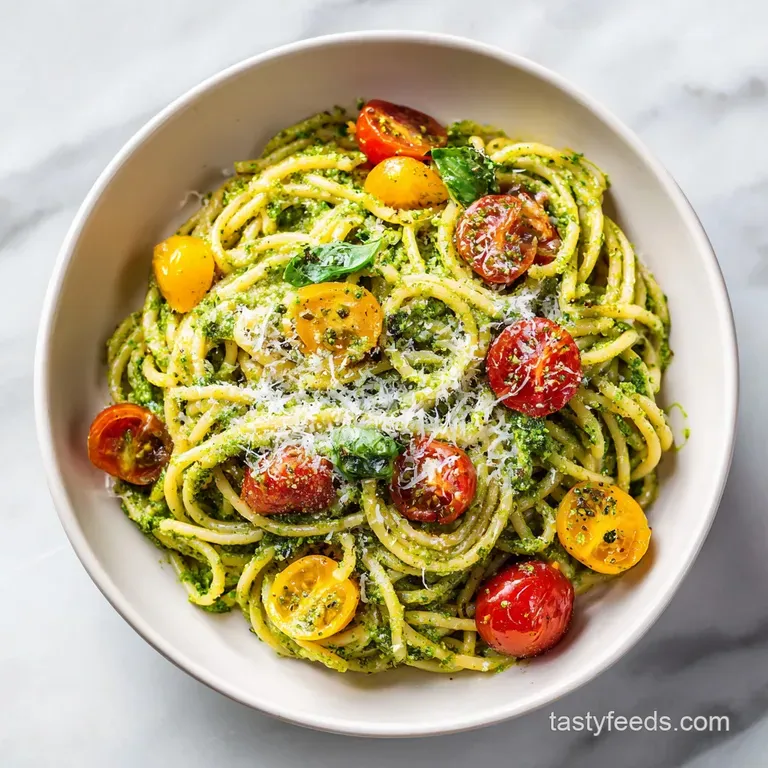
1. The Al Dente Foundation
Bring a large pot of water to a rolling boil. Add 2 tbsp of kosher salt. Note: The water should taste like the sea to season the pasta from the inside out. Add the 1 lb of dried pasta and cook for exactly 1 minute less than the package says. Wait until the pasta is firm but pliable.
2. The Flash Pesto Pulse
While the water boils, put 0.33 cup toasted pine nuts, 2 cloves garlic, and 0.5 cup grated Parmesan in the food processor. Pulse 5-7 times until the mix looks like coarse sand.
3. Adding the Greens
Add the 2 cups of packed basil leaves and 1 tsp of lemon juice to the processor. Note: Lemon juice prevents the basil from oxidizing.
4. The Oil Stream
Turn the processor on low. Slowly pour in the 0.5 cup extra virgin olive oil. Stop as soon as a vibrant green paste forms. You want a little bit of texture left, not a liquid.
5. Searing the Protein
Heat a skillet over medium high. Add the 1 lb of sliced chicken breast. Season with salt and pepper. Cook for 6-8 minutes until golden and juices run clear.
6. The Magic Liquid
Before you drain the pasta, dip a measuring cup into the pot. Reserve at least 1 cup of that cloudy, starchy water. This is the secret to the sauce.
7. Combining the Elements
Drain the pasta and put it back in the pot, but keep it off the burner. Pour in your pesto and 1/4 cup of the reserved water.
8. The Vigoruous Toss
Toss the pasta constantly with tongs for 30-60 seconds. Add more water if it looks dry. Watch for a glossy, creamy sheen to appear.
9. Final Integration
Fold in your seared chicken strips. Taste it. Add a pinch of sea salt or a crack of black pepper if it needs more punch.
10. Serving the Dish
Plate immediately while it's steaming. A little extra Parmesan on top never hurt anyone, but the sauce should already be clinging to every inch of the noodles.
How to Avoid Common Pesto Disasters
Pesto is simple, but it’s also temperamental. If you’ve ever had your sauce turn brown or end up feeling like you’re eating flavored sand, the issue is usually in the timing or the temperature.
Why Your Pesto Turned Brown
The most common heartbreak is "The Gray Green Slump." This happens when the basil is exposed to too much heat or oxygen. Basil is incredibly delicate. If you boil it or put it in a hot pan over a flame, the heat breaks down the chlorophyll immediately.
Always toss your pesto with the pasta away from the direct heat of the stove. The residual heat of the noodles is plenty to warm the sauce without "cooking" it.
| Problem | Root Cause | Solution |
|---|---|---|
| Gritty Texture | Cheese or nuts too large | Pulse the solids into a fine meal before adding basil. |
| Oily Separation | No starch binder | Add pasta water 1 tbsp at a time while tossing. |
| Bitter Aftertaste | Over processed oil | Use low speed or hand whisk the oil into the paste. |
If you’re looking for a different style of pasta that’s equally forgiving but uses a cooked sauce, you might enjoy the techniques used in a creamy shrimp linguine, which also relies heavily on that starchy water emulsion to keep things silky.
Common Mistakes Checklist
- ✓ Not Salting the Water: If the pasta isn't seasoned while boiling, the whole dish will taste flat regardless of the pesto quality.
- ✓ Draining All the Water: Never pour all that liquid gold down the drain; always save a cup before you tip the pot.
- ✓ Using Old Garlic: That little green sprout inside a garlic clove is bitter remove it or use fresh cloves for a cleaner "zip."
- ✓ Adding Pesto to a Hot Pan: Keep the burner off once the pasta is drained to protect the color and flavor.
Smart Swaps for Busy Home Cooks
Let's talk about the pine nut situation. They are expensive, and sometimes they taste like metallic soap (the dreaded "pine nut mouth"). You don't need them to make a killer easy pesto pasta recipe.
- The Budget Nut Swap: Walnuts are my number one survival substitute. They have a similar fat content and a great earthy flavor. Just make sure to toast them first to remove some of the bitterness from the skins.
- The Nut Free Fix: If you’ve got allergies, toasted sunflower seeds or even hemp hearts work surprisingly well to provide that creamy bulk.
- The Herb Pivot: If basil is looking sad at the store, go 50/50 with baby spinach. It keeps the sauce incredibly green and is much cheaper.
- The Cheese Alternative: If you’re out of Parmesan, a dry Pecorino Romano works, but it’s saltier, so dial back the added salt.
If you want X, do Y
- If you want a richer sauce: Swap 2 tbsp of the olive oil for 1 tbsp of heavy cream at the very end.
- If you want more "zing": Double the lemon juice and add a teaspoon of lemon zest to the processor.
- If you want it spicy: Pulse in a 1/2 tsp of red pepper flakes with the garlic and nuts.
Managing Your Leftovers the Right Way
Pesto doesn't love the microwave, but it loves the fridge if you treat it right. If you have leftover pasta, the biggest challenge is the "Oil Soak." The pasta will continue to absorb the oil as it sits, which can make it feel dry the next day.
Storage: Put your leftovers in an airtight container. To keep the color bright, you can actually press a piece of plastic wrap directly onto the surface of the pasta to keep oxygen out. It stays good in the fridge for about 2 days.
Reheating: Whatever you do, don't just blast it in the microwave on high. You'll end up with a puddle of oil. Instead, put it in a pan with a splash of water (or more pasta water if you were smart enough to save extra). Heat it over low, stirring constantly, just until it's warm.
The water will help re emulsify the sauce.
Zero Waste Tip: If you have leftover pesto but no pasta, don't let it die in the back of the fridge. Smear it on a sandwich, use it as a base for a "pesto pizza," or stir it into a bowl of vegetable soup.
If you have basil stems left over, throw them into your freezer bag for making veggie stock later they have a ton of flavor!
Perfect Pairings for a Complete Meal
While this recipe is a full meal with the chicken, sometimes you want a spread. Because the pesto is so "green" and herbaceous, you want sides that offer contrast either something acidic or something with a bit of crunch.
A simple tomato salad with balsamic glaze is the classic choice because the acidity of the tomatoes cuts through the richness of the pine nuts and cheese. If you want something heartier, a thick slice of toasted sourdough rubbed with a raw garlic clove is perfect for mopping up any leftover sauce at the bottom of the bowl.
If you're in the mood for a different kind of comfort, the savory, creamy notes here actually pair well with the profile of a classic tuna casserole if you're doing a big family buffet night. They both hit those "easy access" comfort food buttons but from totally different directions.
Shattering Pesto Kitchen Myths
There’s a lot of "old school" noise about pesto that actually makes it harder for the average home cook. Let's clear some of that up so you can cook with confidence.
The "Hand Cut Only" Myth: People will tell you that a food processor "bruises" the basil and makes it bitter. While high speed blades do generate heat, as long as you use the pulse button and don't let it run for three minutes straight, the difference in flavor is negligible for a weeknight dinner.
The speed you gain is worth the 1% trade off in "bruising."
The "Extra Virgin Only" Rule: While high-quality EVOO is great, you don't need to use your $40 "finish only" oil for the whole half cup. A standard, store brand extra virgin olive oil is perfectly fine. The bold flavors of the garlic and basil will dominate anyway.
Just avoid using "light" olive oil or vegetable oil, as they lack the fruity backbone needed to balance the herbs.
Searing Meat Seals in Juices: You’ll hear this about the chicken. It’s not true. Searing creates the Maillard reaction, which gives you that delicious brown crust and deep flavor. The "juiciness" comes from not overcooking the breast meat.
Pull that chicken as soon as it hits 165°F, and it will be velvety, not because the juices were "sealed," but because the proteins weren't squeezed dry by heat.
Recipe FAQs
How to make quick easy pesto pasta?
Boil your pasta in salted water for one minute less than the package instructions while you pulse pine nuts, garlic, and Parmesan in a food processor. Add fresh basil and lemon juice, stream in olive oil until a paste forms, and toss the cooked noodles with the pesto and a splash of starchy pasta water off the heat.
Is pesto good for people with CKD?
No, this is generally not recommended for those with Chronic Kidney Disease. Pesto contains high levels of phosphorus from the Parmesan and potassium from the fresh basil, which may exceed restricted dietary allowances.
What should I add to pasta with pesto?
Include thinly sliced chicken breast seared in a skillet for six to eight minutes to turn this into a hearty, protein packed meal. If you enjoyed learning the sear technique used to develop flavor here, you can apply that same high heat method to achieve perfect results in other protein dishes.
Can you just add pesto to pasta?
Yes, but you must reserve at least one cup of starchy pasta water before draining. Mixing a splash of this water into the pesto and pasta off the heat creates a glossy, creamy emulsion that ensures the sauce coats every noodle rather than clumping.
Is it necessary to toast the pine nuts first?
Yes, toasting the pine nuts is essential for depth of flavor. Raw nuts lack the nutty, aromatic complexity required to balance the sharp garlic and bright lemon juice in this recipe.
Why is my pesto turning brown?
No, this usually happens if you add the pesto while the pan is still over the heat. Always combine the pesto with the pasta off the burner to protect the vibrant color and fresh flavor of the basil.
How to ensure the pasta isn't flat or bland?
Add two tablespoons of kosher salt to the boiling water before cooking the pasta. If you do not season the pasta while it boils, the final dish will taste bland regardless of how flavorful your pesto is.
Easy Pesto Pasta Recipe in 15 Minutes