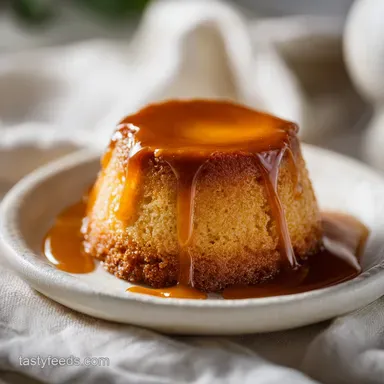
Southern Caramel Cake: Moist and Velvety
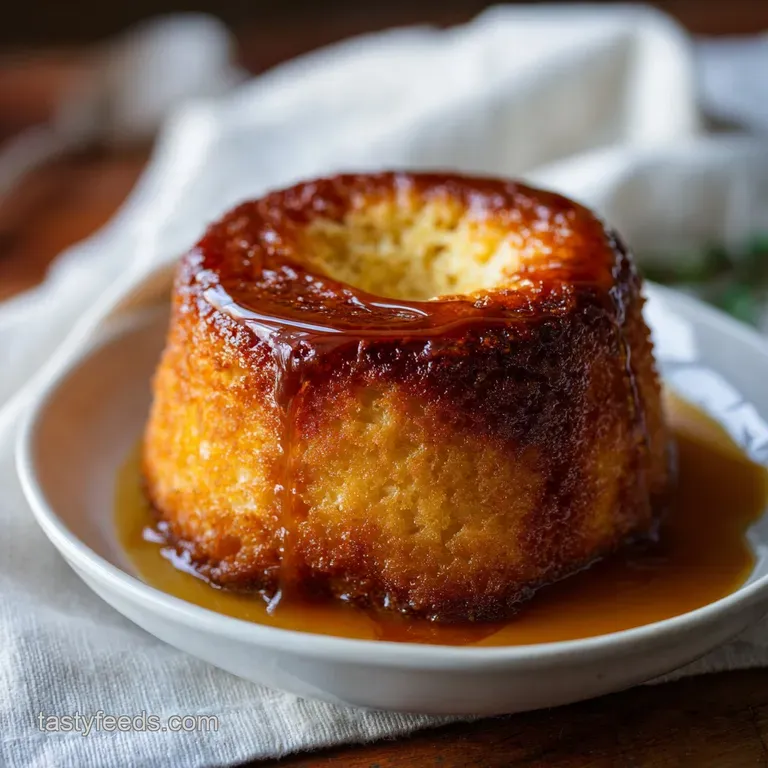
- Time:30 minutes active + 30 minutes cook + 2 hours cooling = 3 hours total
- Flavor/Texture Hook: Deeply buttery, molten caramel over a velvety buttermilk crumb
- Perfect for: Milestone celebrations, Sunday family gatherings, or holiday dessert tables
- Best Caramel Cake Recipe for Success
- Why This Specific Logic Wins
- Vital Metrics for Professional Results
- Elements for a Silky Crumb
- Essential Tools for Home Bakers
- Mastering the Golden Layer Build
- Solving Your Most Common Errors
- Flexible Swaps for Dietary Needs
- Managing Leftovers and Reheating Needs
- Serving This Classic Dessert Right
- Recipe FAQs
- 📝 Recipe Card
Best Caramel Cake Recipe for Success
The sound of a wooden spoon scraping the bottom of a heavy saucepan is the rhythm of my childhood. I remember watching the butter melt into a molten, amber sea, waiting for that specific aroma not just sweet, but toasted and deep to fill the kitchen.
But for a long time, my own attempts ended in disaster. I’d pull a cake from the oven only for it to be as dry as sawdust, or I’d spend an hour on icing that turned into a gritty, sand like cement the moment it touched the cooling cake. It was frustrating, sticky, and honestly, a bit heartbreaking.
Most recipes fail because they rely on the old-fashioned "boil and pray" method for the icing. One degree too high and you have rock candy; one degree too low and it’s a puddle. We’re fixing that today.
This is the version that actually works every single time because we’ve introduced a stabilizer that takes the guesswork out of the sugar chemistry. You’re going to get that iconic, deep southern flavor without the stress of a candy thermometer hovering over your shoulder.
We are aiming for a specific contrast here: a light, tangy buttermilk crumb that cuts right through the intense, buttery richness of the caramel. It’s a balance of textures the sponge should feel like a cloud, while the icing should have a slight "snap" on the surface that gives way to a fudgy, melt in-your mouth interior.
Let’s get the oven preheated and walk through exactly how to achieve that gold standard finish.
Why This Specific Logic Wins
The magic here isn't just luck; it's a few simple rules of kitchen physics that keep the cake moist and the icing stable.
- Acidity and Lift: The buttermilk reacts with the baking soda to create tiny carbon dioxide bubbles, ensuring the crumb stays airy rather than dense.
- Condensed Milk Stability: Using sweetened condensed milk in the icing provides a consistent fat to sugar ratio that prevents the dreaded graininess.
- The Five Minute Rule: Creaming butter and sugar for a full 5 minutes builds a physical structure of air pockets that supports the cake as it rises.
- Temperature Synchronization: Using room temperature eggs and buttermilk prevents the butter from curdling, keeping the emulsion silky.
Chef’s Tip: If you really want to deepen the flavor, let your butter "brown" just slightly in the pan for the icing before adding the sugar. It adds a nutty, toasted note that mimics high end artisanal confections.
| Method Type | Finish Texture | Complexity | Reliability |
|---|---|---|---|
| Traditional Boiled | Brittle / Shattering | High (Needs Thermometer) | Low (Weather Dependent) |
| Our Condensed Version | Fudgy / Velvety | Medium (Whisk Intensive) | High (Foolproof) |
| Shortcut Frosting | Waxy / Greasy | Low (store bought) | High (Low Flavor) |
Vital Metrics for Professional Results
Success in baking is about precision. I used to eyeball the "soft ball stage" for icing, but that led to many batches in the trash. Use these checkpoints to stay on track.
| Ingredient | Role in Recipe | Pro Secret |
|---|---|---|
| Buttermilk | Moisture & Tang | Use full fat for the richest mouthfeel and best rise. |
| Sweetened Condensed Milk | Texture Stabilizer | This prevents sugar crystals from reforming, keeping icing smooth. |
| Brown Sugar | Molasses Flavor | Pack it tight to ensure the correct moisture content for the caramel. |
| Pure Vanilla Extract | Flavor Depth | Add it after the heat is off to keep the aromatics from evaporating. |
When you're mixing your batter, keep an eye on the clock. That 5 minute creaming period is non negotiable. I once tried to cut it down to 2 minutes when I was in a rush, and the cake came out flat and heavy. The air you beat in now is the lift you get later. If you're interested in how different liquids affect your crumb, you might see similar principles in my Orange Cake recipe where citrus acidity plays a similar role to the buttermilk here.
Elements for a Silky Crumb
We aren't using fancy ingredients, but we are using them correctly. Every gram of flour and every milliliter of buttermilk has a job to do.
- 3 cups (375g) All purpose flour, sifted: Provides the structural backbone. Why this? Sifting prevents clumps and ensures an even, fine crumb.
- 1 ½ tsp Baking powder: Provides the primary lift.
- ½ tsp Baking soda: Reacts with buttermilk for extra fluffiness.
- 1 tsp Fine sea salt: Balates the intense sweetness of the caramel.
- 1 cup (225g) Unsalted butter, softened: The flavor base of the sponge.
- 1 ½ cups (300g) Granulated sugar: Sweets and tenderizes.
- 4 Large eggs, room temperature: Holds the structure together.
- 1 tbsp Pure vanilla extract: Rounds out the buttery notes.
- 1 cup (240ml) Full fat buttermilk, room temperature: Provides moisture and a slight tang.
- 1 cup (225g) Unsalted butter (for icing): The "gold" in the caramel.
- 1 can (14 oz / 397g) Sweetened condensed milk: Our secret weapon for smoothness.
- ½ cup (100g) Light brown sugar, packed: Adds that deep, molasses caramel hue.
- 1 tsp Pure vanilla extract (for icing): Essential for that old-fashioned scent.
- ¼ tsp Salt (for icing): Cuts the sugar rush.
- 2 cups (240g) Confectioners' sugar, sifted: Thickens the icing to a spreadable consistency.
| Original Ingredient | Substitute | Why It Works |
|---|---|---|
| Buttermilk (1 cup) | Milk (240ml) + 1 tbsp Lemon Juice | Mimics the acidity needed to activate the baking soda. |
| Light Brown Sugar | Dark Brown Sugar | Adds a more intense molasses flavor; icing will be slightly darker. |
| Unsalted Butter | Salted Butter | Works fine, just omit the additional salt called for in the recipe. |
Essential Tools for Home Bakers
You don't need a professional kitchen, but a few specific items make the "best caramel cake recipe" much easier to handle.
A stand mixer is your best friend here. While you can do this with a hand mixer, the 5 minute creaming stage and the final whipping of the icing are much more consistent with a heavy duty mixer like a KitchenAid.
You’ll also want a heavy bottomed saucepan think stainless steel or enameled cast iron. Thin pans have "hot spots" that can scorch the milk and sugar, leaving little black burnt bits in your beautiful golden icing.
Finally, invest in two 9 inch round cake pans with straight sides. This helps with even stacking. If you use pans with flared edges, your cake layers will look like bowls and be much harder to frost. A simple offset spatula will also help you glide that thick icing over the delicate crumbs without tearing the sponge.
Mastering the Golden Layer Build
- Preheat your oven to 350°F (175°C). Prepare two 9 inch round cake pans by greasing them with butter and dusting with a light coating of flour.
- Combine the 225g of softened butter and 300g granulated sugar in your stand mixer. Beat on medium high speed until the mixture looks pale and fluffy, which takes roughly 5 minutes. Note: This step incorporates the air needed for a light cake.
- Incorporate the eggs one at a time. Wait until each egg is fully blended before adding the next one.
- Add the vanilla extract to the wet mixture and stir gently.
- Mix your dry ingredients (flour, baking powder, baking soda, salt) in a separate bowl.
- Turn the mixer to low. Alternate adding the dry ingredients and the 240ml of buttermilk, starting and ending with the flour. Mix until the last streaks of white disappear—do not go longer!
- Divide the batter between pans. Bake for 25–30 minutes until a toothpick comes out clean. Let them cool in the pans for 10 minutes, then move to a wire rack for 2 hours.
- For the icing, melt 225g butter in your saucepan over medium heat. Stir in the brown sugar and the entire can of condensed milk.
- Stir constantly as it comes to a boil. Lower the heat and simmer for 3–5 minutes until it thickens slightly and smells like toasted sugar.
- Remove from heat. Whisk in the vanilla and salt. Using your mixer, gradually beat in the 240g of confectioners' sugar until the icing is thick enough to hold a shape.
- Assemble quickly! Place the first layer on a plate, spread a 1/2 inch layer of icing, then top with the second layer. Frost the top and sides until the cake is completely encased in gold.
Solving Your Most Common Errors
If things go wrong, it's usually a matter of temperature or timing. Caramel is a living thing in the kitchen, and it reacts to the environment.
Why Your Icing Is Grainy
This happens when sugar crystals "seed" the mixture. If even one crystal of undissolved sugar remains on the side of the pan, it can turn the whole batch into sand.
| Problem | Root Cause | Solution |
|---|---|---|
| Sand like texture | Sugar didn't dissolve or re crystallized | Use a wet pastry brush to wash down the sides of the pan during boiling. |
| Runny icing | Didn't simmer long enough | Return to heat for 1-2 minutes or add more sifted confectioners' sugar. |
| Dry, crumbly cake | Overbaking or overmixing | Check doneness 5 minutes early; stop mixing the second flour is gone. |
Why Your Cake Layers Are Dome Shaped
If your oven is too hot, the edges set while the middle keeps rising, creating a hill. This makes stacking a nightmare. To fix this, simply use a serrated knife to gently "level" the tops of the cakes once they are completely cool.
Don't throw those scraps away they are perfect for snacking or making cake pops later!
Preventing a Dry Sponge
Overmixing is the enemy of the "best caramel cake recipe". The moment you add flour to liquid, gluten starts to develop. If you mix too much, that gluten becomes tough and rubbery rather than tender and velvety. Always use the lowest speed on your mixer for the final stage.
- ✓ Use room temperature eggs to maintain the butter emulsion
- ✓ Sift your confectioners' sugar to avoid lumps in the final icing
- ✓ Apply the icing while it is still warm; once it cools, it sets firm
- ✓ Pat the cake pans firmly on the counter before baking to release air bubbles
- ✓ Let the cake cool for the full 2 hours frosting a warm cake results in a puddle
Flexible Swaps for Dietary Needs
If you need to adjust this recipe for friends with different needs, it’s quite resilient. For a dairy-free version, use a high-quality plant based butter and "buttermilk" made from soy milk and apple cider vinegar.
However, be aware that the icing relies heavily on the proteins in the condensed milk, so you must use a sweetened condensed coconut milk as a direct swap to keep the structure.
If you are looking for a completely different flavor profile but love the buttermilk base, you might enjoy the crispy texture of buttermilk hoe cakes, which use similar science but in a stovetop application.
Scaling this recipe is straightforward. If you want a massive four layer cake, double everything but keep the salt and spices to 1.5x the original amount. For a smaller 6 inch cake, halve the recipe and reduce the bake time by about 20%. If halving the eggs, beat one egg in a cup and use exactly half by weight.
| Goal | Adjustment | Result |
|---|---|---|
| Lower Sugar | Reduce granulated sugar by 50g | Slightly denser crumb but less cloying sweetness. |
| Salted Caramel | Add 1/2 tsp extra sea salt to icing | A trendy, savory sweet contrast that's very popular. |
| gluten-free | Use a 1:1 GF flour blend | May be slightly more fragile; handle with care during frosting. |
Managing Leftovers and Reheating Needs
This cake is actually better on day two. The moisture from the icing begins to seep into the sponge, making it incredibly fudgy. You can store it under a cake dome at room temperature for up to 3 days.
If your kitchen is very warm, keep it in the fridge, but let it sit out for 30 minutes before serving. Cold caramel can be a bit stiff and waxy, and you want it to be soft and velvety when it hits your tongue.
For long term storage, you can freeze individual slices. Wrap them twice in plastic wrap and once in foil. They’ll stay fresh for up to 3 months. To eat, just thaw them in the fridge overnight. If you have leftover icing that hardened in the bowl, don't toss it!
Warm it gently in the microwave for 10 seconds and drizzle it over vanilla ice cream.
Zero waste tip: If you leveled your cakes and have a pile of crumbs, toast them in a pan with a little butter and use them as a "crunch" topping for yogurt or fruit parfaits. It’s a great way to use every bit of that golden goodness.
Serving This Classic Dessert Right
When it comes to serving the "best caramel cake recipe", less is often more. Because the cake is so rich and sweet, I love serving it with a side of tart berries raspberries or blackberries are perfect to provide a bright, acidic contrast.
A cup of strong, black coffee or a glass of cold milk is the traditional pairing for a reason; they help wash down the decadent sugar.
One myth I often hear is that you need to "sear" the sugar to get real caramel flavor. While that’s true for dry caramel, this cooked icing method relies on the Maillard reaction between the milk proteins and the brown sugar. You get all that deep, complex flavor without the risk of burning a dry pan of sugar.
Another myth is that the icing will stay soft forever. It won't! It is designed to develop a thin, delicate crust on the outside while remaining soft inside. That's the hallmark of a true southern caramel cake.
When you go to slice it, use a long, thin knife dipped in hot water and wiped dry between each cut. This will give you those clean, professional looking layers that show off the contrast between the yellow sponge and the amber icing.
It’s a showstopper of a dessert that tastes like a warm hug from a grandmother you never knew you had. Enjoy every velvety bite!
Recipe FAQs
What are common caramel cake mistakes?
Overmixing the batter and overheating the icing. Overmixing develops too much gluten, making the cake tough, while boiling the icing beyond the soft ball stage creates a gritty, crystalline texture instead of a smooth finish.
What is the 1234 cake rule?
It is a traditional ratio based method for pound cakes using 1 cup butter, 2 cups sugar, 3 cups flour, and 4 eggs. While this recipe uses a specific buttermilk based structure for a lighter crumb, understanding these ratios helps you grasp foundation level crumb density across various baked goods.
What is the secret to perfect caramel?
Constant stirring and temperature control. By staying under the 235°F soft ball stage, you maintain a molten, spreadable consistency that won't shatter when sliced.
What is the secret ingredient to a moist cake?
Full fat buttermilk. The acidity in the buttermilk reacts with the baking soda to tenderize the gluten and provide a fine, velvety crumb that stays moist for days.
Why is my icing not setting properly?
You likely added the confectioners' sugar while the butter and milk mixture was too hot. Allow the base to cool slightly so the sugar can absorb the moisture properly and thicken into a spreadable consistency.
How to avoid a dry cake sponge?
Cream the butter and sugar for the full 5 minutes until pale and aerated. This step creates the air pockets necessary for a light texture, and combining the dry ingredients with buttermilk in alternating batches prevents overworking the flour.
How to ensure the icing stays smooth during assembly?
Apply the icing immediately after it reaches the correct consistency. Because this icing contains sweetened condensed milk, it sets rapidly as it cools; work quickly to coat the top and sides of the cake before it hardens.
Best Caramel Cake Recipe: Moist Southern Cake in 3 Hours