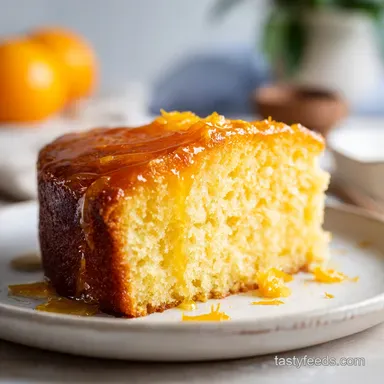
Easy Moist Orange Cake: Vibrant Citrus Sponge
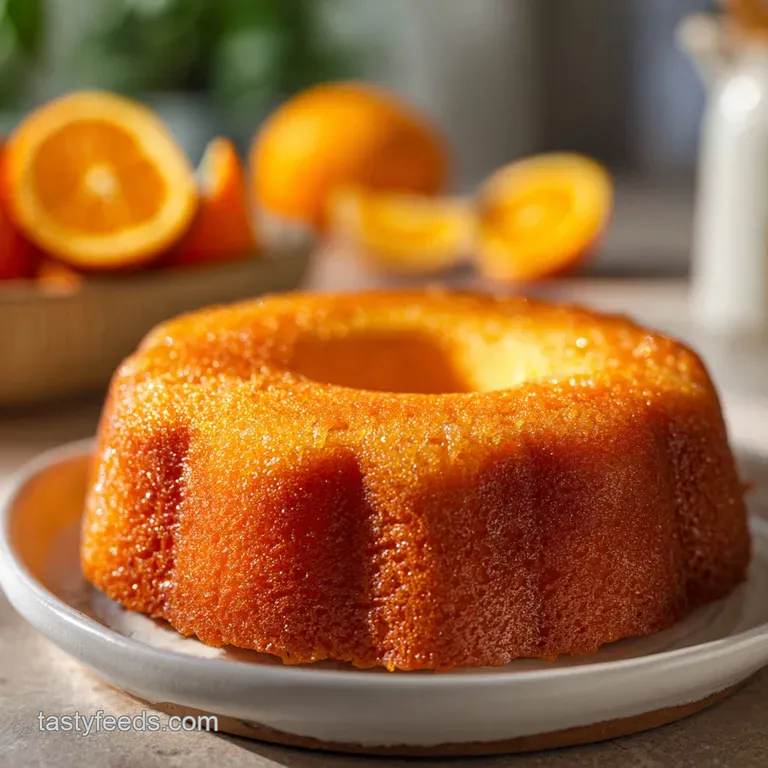
- Time: Active 20 minutes, Passive 45 minutes, Total 65 minutes
- Flavor/Texture Hook: A velvety, citrus forward crumb with a translucent, tangy sweet glaze finish.
- Perfect for: Afternoon tea, a bright brunch centerpiece, or a simple weekend baking project.
- The Sunshine on Your Plate: A Heritage easy moist orange cake recipe
- Mastering the Fluffy Crumb: Why This Cake Texture Is Unbeatable
- Deep Dive into Ingredients: The Secret Roles of Citrus and Yogurt
- Essential Tools for a Silky Batter and Clean Cake Release
- A Step by Step Guide to Creating This Vibrant Citrus Sponge
- Solving Baking Mishaps: Fixing Sunk Centers and Dense Crumb Issues
- Flavor Variations for Your Homemade Citrus Dessert Recipes
- Keeping Your Sponge Fresh and Tips for Zero Waste Baking
- Perfect Pairings to Turn Every Slice into a Special Occasion
- Recipe FAQs
- 📝 Recipe Card
The Sunshine on Your Plate: A Heritage easy moist orange cake recipe
In many Mediterranean coastal towns, the scent of late winter isn't cold or damp, it's the heady, sweet perfume of orange blossoms. I remember walking through the streets of Valencia, where the trees are so heavy with fruit they practically bow to the pavement.
There's a certain magic in how a simple citrus fruit can transform a humble batter into something that feels like a warm hug from the sun. This easy moist orange cake recipe is my way of bottling that Mediterranean sunshine and bringing it into my own kitchen, especially on those grey afternoons when we all need a little brightness.
Growing up, baking wasn't about fancy equipment or complicated French techniques. It was about what was fresh and what smelled the best. My grandmother used to say that the secret to a great cake wasn't in the oven, but in how you treated the sugar before the heat even touched it.
She would spend several minutes rubbing the orange peels into the granules until her hands smelled like a citrus grove. That tradition is the heartbeat of this recipe. We aren't just adding flavor; we're building a foundation of aromatics that makes this homemade orange cake recipe stand out from any box mix you've ever tried.
What I love most about this specific bake is its resilience. So many citrus cakes come out of the oven smelling wonderful but turn into dry sponges by the next morning. By swapping traditional butter for a neutral oil and adding a touch of Greek yogurt, we create a crumb that is practically immortal.
It's the kind of cake you can leave on the counter, wrapped loosely, and find it just as silky and tender three days later. It's a love language in cake form, designed to be shared over long conversations and tall glasses of cold milk or steaming coffee.
Mastering the Fluffy Crumb: Why This Cake Texture Is Unbeatable
There is a lot going on beneath the surface of this batter that makes it so much more than just a "simple" dessert. When we talk about a moist orange sponge cake recipe, we're really talking about managing moisture and aeration without sacrificing the structural integrity of the cake.
Most people reach for butter because of the flavor, but oil is the secret weapon for a truly velvety mouthfeel that doesn't disappear when the cake reaches room temperature.
- Oil Based Moisture: Unlike butter, which is solid at room temperature, vegetable oil remains liquid. This ensures the cake feels soft even after it has cooled completely, providing that signature "moist" sensation on the palate.
- Acidity and Lift: The Greek yogurt doesn't just add fat; its natural acidity reacts with the baking soda to create tiny bubbles of carbon dioxide. This chemical reaction provides an extra boost of lift, ensuring the cake doesn't become dense or "leaden."
- Aromatic Infusion: By rubbing the zest into the sugar, we use the abrasive nature of the sugar crystals to rupture the oil sacs in the orange peel. This distributes the citrus oils evenly throughout the entire batter rather than having them clump in one spot.
- Starch Softening: The addition of a small amount of cornstarch weakens the protein structure of the all purpose flour. This mimics the low protein content of professional cake flour, resulting in a much finer, tighter crumb that feels sophisticated.
The balance of these elements is what makes this a foolproof easy orange cake recipe from scratch. We are essentially creating a stable emulsion that traps air and moisture in a way that resists the typical staling process.
If you’ve ever wondered why bakery cakes have that specific "bounce," it’s often this exact combination of oil, acidity, and starch management.
| Servings | Ingredient Adjustments | Pan Size | Cook Time |
|---|---|---|---|
| 6 People | Halve all ingredients (use 1.5 eggs) | 6 inch Round | 30-35 minutes |
| 12 People | Use full recipe quantities | 9 inch Springform | 45 minutes |
| 24 People | Double all ingredients | Two 9 inch Pans | 45-50 minutes |
When adjusting for a crowd, remember that doubling the batter doesn't necessarily mean doubling the bake time if you use two separate pans. If you're looking for another reliable bake that uses simple ingredients to achieve a great texture, you might also enjoy making this Easy Banana Bread which follows similar moisture locking principles. It's another one of those recipes that gets better the next day.
Deep Dive into Ingredients: The Secret Roles of Citrus and Yogurt
To get the best results from this moist orange cake recipe with oil, you need to be picky about your components. Not all oranges are created equal, and the type of yogurt you choose can actually change the crumb's density.
I prefer using Navel oranges because their thick skin is packed with those essential oils we need for the zest rubbing step. Valencia oranges are fantastic for the juice, but their thinner skin can be a bit harder to zest without hitting the bitter white pith.
| Ingredient | Science Role | Pro Secret |
|---|---|---|
| Fresh Orange Zest | Flavor Carrier | Rub into sugar until "damp sand" texture appears for maximum aroma. |
| Neutral Oil | Moisture Retainer | Use grapeseed or canola to ensure the citrus flavor remains the star. |
| Greek Yogurt | Protein & Acid | Provides structural support and keeps the crumb from becoming crumbly. |
| Cornstarch | Protein Buffer | Lowers the overall gluten development for a tender, velvety finish. |
Using room temperature eggs is one of those tiny details that makes a massive difference. When eggs are cold, they can seize the oil and yogurt, leading to a batter that looks curdled. While a curdled batter will still bake into a cake, it won't have that perfectly uniform, professional looking crumb we're aiming for.
Take them out of the fridge at least 30 minutes before you start, or pop them in a bowl of warm water for five minutes if you're in a rush.
Essential Tools for a Silky Batter and Clean Cake Release
You don't need a high end stand mixer for this easy orange cake recipe, though a KitchenAid certainly makes quick work of the whisking. A simple large glass bowl and a sturdy balloon whisk are actually my preferred tools. There's something very satisfying about feeling the batter emulsify under your own strength.
It helps you stay connected to the texture so you know exactly when to stop mixing.
- Microplane Zester: This is non negotiable for getting that fine, fluffy zest without the bitter white pith.
- 9 inch Springform Pan: The removable sides are a lifesaver for citrus cakes, which can be slightly delicate when warm.
- Parchment Paper: Even if you grease the pan perfectly, lining the bottom ensures a "no stress" release every single time.
- Silicone Spatula: Essential for the folding stage to ensure you aren't knocking out all the air you just whisked in.
Right then, let's talk about the pan preparation. Don't just wipe a bit of oil on it and call it a day. I like to use a bit of softened butter for the grease, even though the cake uses oil, because the milk solids in the butter help create a slightly golden, toasted "crust" on the outside of the cake.
It adds a lovely contrast to the soft interior.
| Original Ingredient | Substitute | Why It Works |
|---|---|---|
| Greek Yogurt (60g) | Sour Cream (60g) | Identical fat and acid content. Note: Slightly richer flavor. |
| All Purpose Flour | 1 to-1 gluten-free Blend | Xanthan gum in blends mimics gluten. Note: May be slightly denser. |
| Granulated Sugar | Cane Sugar | Similar crystal size. Note: Adds a subtle molasses undertone. |
If you find yourself out of oranges but still craving something fruity and moist, this Zucchini Muffins recipe uses a very similar oil to flour ratio to keep things incredibly tender. It's a great way to use up garden produce while still getting that bakery style finish.
A step by step Guide to Creating This Vibrant Citrus Sponge
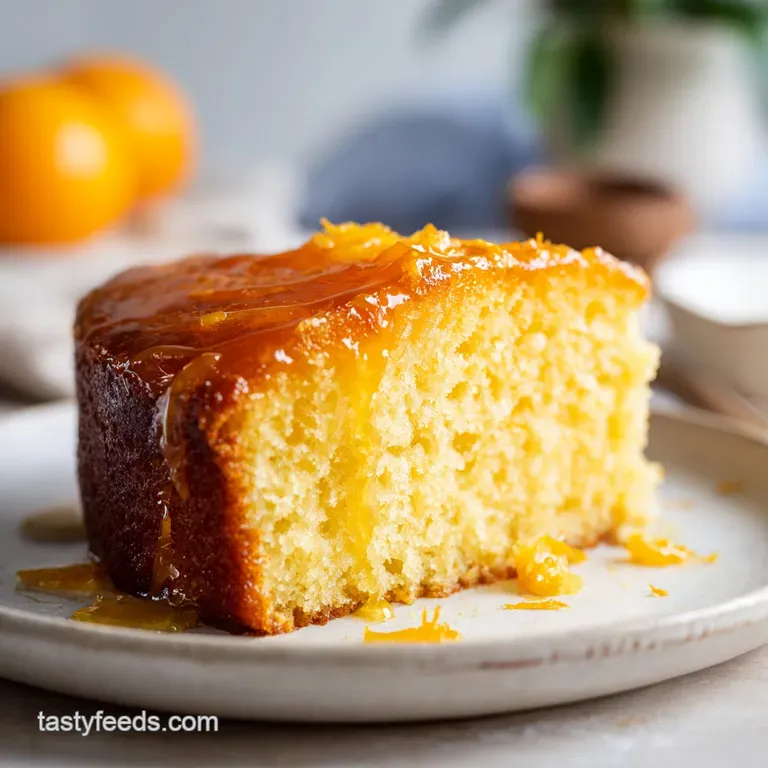
Preheat your oven to 175°C (350°F). While that's warming up, spend some quality time prepping your pan. Grease the bottom and sides of a 9 inch springform pan with a little butter or oil, then lay a circle of parchment paper on the base.
This is your insurance policy against a "stuck cake" disaster.
In your largest mixing bowl, weigh out the 300g of granulated sugar and add the 2 tablespoons of fresh orange zest. Now, use your clean fingertips to rub the zest into the sugar. You want to keep going until the sugar looks like damp orange sand.
Aroma Checkpoint 1: You should smell a sharp, floral explosion of citrus that fills the entire room. This is the flavor being "unlocked."
Whisk in the 240ml of vegetable oil, the 3 large room temperature eggs, and 1 teaspoon of vanilla extract. Whisk vigorously for about two minutes. You're looking for the mixture to become slightly paler and completely smooth.
This is called creating an emulsion where the fat and the water from the eggs become one happy family. Now, gently stir in the 180ml of orange juice and 60g of Greek yogurt until combined.
In a separate medium bowl, whisk together the 315g of flour, 15g of cornstarch, 2.5 teaspoons of baking powder, 0.5 teaspoons of baking soda, and 0.5 teaspoons of salt. Sifting isn't strictly necessary, but it helps if your flour is particularly lumpy.
Gradually fold these dry ingredients into your wet mixture using a spatula. Stop the moment you see no more white streaks. Overmixing here will lead to a tough cake, and we want "velvety," not "bread like."
Pour that beautiful, silky batter into your prepared pan. Give it a gentle tap on the counter to release any large air bubbles. Slide it into the center rack of the oven and bake for 45 minutes.
Aroma Checkpoint 2: Around the 30 minute mark, the smell of caramelizing sugar and warm orange should start wafting from the oven. Resist the urge to open the door too early!
Once a wooden skewer comes out clean, remove the cake and let it sit in the pan for 10 minutes. This "resting" phase allows the internal structure to firm up so it doesn't collapse when you move it.
While it cools, whisk together the 180g of powdered sugar, 3 tablespoons of orange juice, and 1 teaspoon of melted butter. Drizzle this translucent glaze over the cake while it's still slightly warm to let some of it soak into the top layer.
Aroma Checkpoint 3: The fresh juice in the glaze provides a final, bright "zing" to the scent profile.
| Method | Time | Texture | Best For |
|---|---|---|---|
| Standard Oven | 45 minutes | Uniform, golden crust | Classic cake texture |
| Skillet (Stovetop) | 50-60 minutes | Denser, pudding like | Rustic, no oven situations |
Solving Baking Mishaps: Fixing Sunk Centers and Dense Crumb Issues
One of the most frustrating things that can happen with a fluffy orange cake recipe is the dreaded "middle sink." You look through the oven window and it's rising beautifully, only to find a crater when you pull it out.
Usually, this is caused by one of two things: either the oven door was opened too early, causing a sudden temperature drop, or the leavening agents (baking powder/soda) were expired. Always check the dates on those tins before you start!
Why Your Orange Cake Sinks
If your cake looks like a valley in the middle, it’s often because the structure wasn't set before the air bubbles started to collapse. This can happen if the oven temperature is too low or if there was too much liquid in the batter.
Make sure you are measuring your orange juice precisely even an extra tablespoon can throw off the balance of such a moist recipe.
Why the Texture Is Coarse
A coarse or "holey" crumb is usually the result of overmixing. Once the flour hits the wet ingredients, gluten starts to form. If you whisk too aggressively, you develop too much gluten, which traps large air pockets instead of the fine, tight bubbles we want.
Use a "folding" motion with a spatula literally cutting through the middle and turning the batter over itself to keep things delicate.
| Problem | Root Cause | Solution |
|---|---|---|
| Sunk Center | Underbaked or expired leavening | Check doneness with a skewer; replace baking powder. |
| Dry Crumb | Too much flour or overbaked | Use a scale for flour (315g); pull at 45 mins. |
| Greasy Bottom | Poor emulsion | Ensure eggs are room temp before whisking with oil. |
Common Mistakes Checklist:
- ✓ Ensure eggs are at room temperature to prevent the batter from splitting.
- ✓ Rub the zest into the sugar for at least 2 minutes (don't skip this!).
- ✓ Measure the flour using a scale or the "spoon and level" method never scoop directly.
- ✓ Avoid opening the oven door before the 35 minute mark to maintain consistent heat.
- ✓ Let the cake cool for exactly 10 minutes in the pan; any longer and it might get soggy.
Flavor Variations for Your Homemade Citrus Dessert Recipes
While the classic version is stunning in its simplicity, this batter is incredibly versatile. If you want to lean into the "orange" theme even harder, you can swap the vanilla extract for a half teaspoon of almond extract.
The combination of orange and almond is deeply nostalgic and gives the cake a "bakery style" sophistication that is hard to beat.
- Blood Orange Twist: Swap the Navel oranges for Blood oranges. The juice will give the glaze a stunning pink hue, and the flavor is slightly more "berry like."
- The Chocolate Orange: Fold in 100g of dark chocolate chips (60% cacao or higher) at the very end. The bitterness of the chocolate balances the sweet citrus perfectly.
- Spiced Citrus: Add 1 teaspoon of ground cardamom to the dry ingredients. It adds a warm, exotic depth that makes this feel like a completely different dessert.
If you’re looking to transform this into an easy orange pound cake recipe, simply reduce the orange juice to 120ml and add an extra egg yolk. This will create a denser, richer crumb that holds up beautifully to being toasted and slathered with salted butter the next morning.
It's a bit heavier, but equally satisfying.
Keeping Your Sponge Fresh and Tips for Zero Waste Baking
Because of the oil and yogurt, this cake stays fresh longer than almost any other sponge I know. You can keep it at room temperature, covered in a cake dome or under some foil, for up to 3 days.
If you need to store it longer, it actually holds up remarkably well in the fridge for up to 6 days just make sure it's in an airtight container so it doesn't pick up any "fridge smells."
- Freezing: This cake freezes beautifully. Wrap individual slices in plastic wrap and then a layer of foil. They’ll stay perfect for up to 3 months. To eat, just let them thaw on the counter for an hour.
- Zero Waste Zest: If you have leftover oranges after zesting, don't throw the peels away! You can simmer them in sugar water to make candied peel, which makes a gorgeous decoration for the top of the cake.
- Leftover Glaze: If you have extra glaze, it's fantastic drizzled over morning oatmeal or stirred into a cup of black tea for a citrusy sweetener.
Perfect Pairings to Turn Every Slice into a Special Occasion
This cake is a star on its own, but the right accompaniment can make it feel like a high end restaurant dessert. I personally love serving a thick slice alongside a dollop of unsweetened whipped cream. The richness of the cream cuts through the tangy brightness of the orange glaze in a way that is incredibly balanced.
If you're serving this for brunch, a side of fresh berries especially raspberries or blueberries adds a lovely pop of color and a different type of acidity. For an evening dessert, a small glass of dessert wine like a Moscato d'Asti or a chilled Limoncello actually complements the citrus notes beautifully.
Trust me on this: if you have a slice left over the next morning, try searing it in a pan with a tiny bit of butter for 30 seconds on each side. It caramelizes the glaze and makes the edges slightly crispy while the center stays velvety. It's quite possibly the best "chef's treat" you'll ever have.
Let's crack on and get that oven preheated you're going to love how your kitchen smells in about forty minutes!
Recipe FAQs
What is the trick to making a moist cake?
Rub the orange zest into the sugar first. This releases essential oils, while the inclusion of vegetable oil and Greek yogurt ensures a tender crumb that stays soft for days.
What are common orange cake mistakes?
Overmixing the batter is the biggest error. Always fold the dry ingredients into the wet mixture gently with a spatula until just combined to prevent a dense, rubbery texture.
What is the secret ingredient for moist cake?
Greek yogurt is the secret. It provides acidity and fat that keep the sponge velvety; if you enjoyed how yogurt improves this crumb, see how the same principle of moisture retention works in our bright fruit beverages.
Is orange cake better with oil or butter?
Oil is better for moisture. Vegetable oil remains liquid at room temperature, which guarantees a softer, more tender cake than butter, which can firm up and dry out the sponge.
How to ensure the cake doesn't stick to the pan?
Grease the pan thoroughly and line the bottom with parchment paper. This extra step ensures a clean release every time you invert the cake after its 45-minute bake.
How to tell when the orange cake is fully baked?
Insert a wooden skewer into the center of the cake. It is perfectly baked when the skewer comes out clean without any wet batter attached.
Is it true I must glaze the cake while it is hot?
No, this is a common misconception. You must allow the cake to cool in the pan for 10 minutes and then transfer it to a wire rack before drizzling the glaze to ensure it sets properly.
Easy Moist Orange Cake Recipe: Tender Citrus Dessert in 65 Minutes