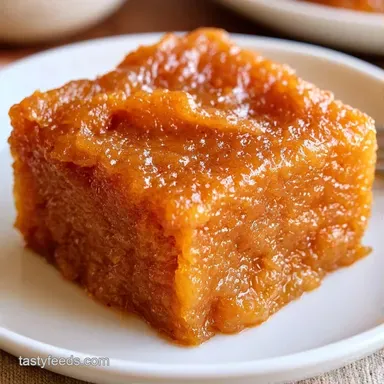
Indian Banana Halwa with Jaggery
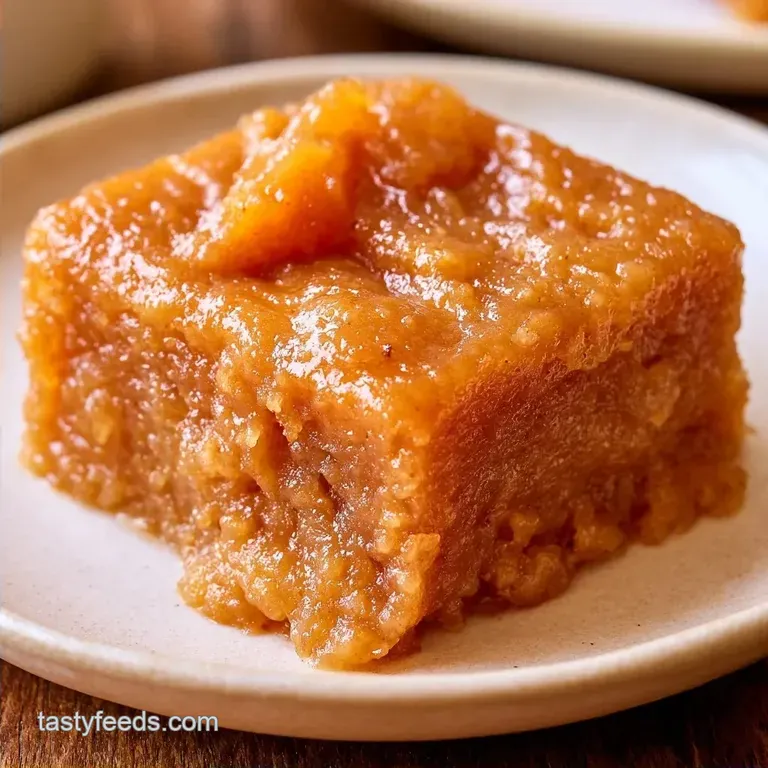
- Time: 10 min active + 25 min cooking
- Flavor/Texture Hook: Dense, fudgy consistency with a deep amber hue
- Perfect for: Cozy weekend treats or festive occasions
Why is it that bananas become dessert gold once they're too soft to eat raw? At that peak of ripeness, the fruit transitions from a simple snack into something akin to candy. Once introduced to a hot pan of ghee, they evolve into an incredibly fragrant base.
I once prepared this for a friend longing for the flavors of home. In under ten minutes, the room was filled with the scent of warm caramel and toasted nuts. We couldn't even wait for it to cool; we just sat on the floor and ate it straight from the pan.
The magic of this Banana Halwa lies in the balance of mineral, earthy jaggery and buttery ghee. The result is a luxurious, mahogany colored confection made from simple pantry staples.
Why This Recipe Works
- Overripe Fruit: Bananas with brown spots have more concentrated fructose. This means they caramelize in minutes, giving the Banana Halwa that dark, glossy look without needing artificial colors.
- Toasted Semolina: Sautéing the rawa first removes the raw grain taste. It creates a nutty base that absorbs the banana puree, preventing the dessert from becoming a soggy mash.
Tools You'll Need
Simple equipment is all that's required. A heavy bottomed pan is ideal here, as it distributes heat evenly to keep the sugars from scorching. If available, an immersion blender can quickly create a smooth puree, which helps the mixture thicken faster.
A sturdy silicone spatula is also essential for those final minutes when the sauce becomes thick and clings to the pan.
The Ingredient List
The beauty of this dish is the simplicity. We're using jaggery for a more complex sweetness than white sugar, and ghee for that classic South Indian aroma.
| Component | Purpose | Substitute Notes |
|---|---|---|
| Overripe Bananas | Base & Natural Sugar | Plantains (yields a starchier, less sweet result) |
| Unsalted Ghee | Richness & Aroma | Butter (less nutty, slightly more moisture) |
| Fine Semolina | Structure & Thickness | Rice flour (grittier texture, less binding) |
| Jaggery Powder | Deep Sweetness | Brown sugar (adds moisture, loses mineral depth) |
Ingredient Details and Swaps
- 3 cups (450g) overripe bananas, mashed or pureed Why this? High sugar content for better caramelization
- Swap: Frozen thawed bananas work too, just drain excess liquid.
- 1/2 cup (115g) unsalted ghee Why this? High smoke point and traditional flavor
- Swap: Coconut oil for a tropical, vegan friendly twist.
- 1/4 cup (40g) fine semolina Why this? Provides a slight bite and thickness
- Swap: Almond flour for a denser, lower carb version.
- 1/2 cup (100g) jaggery powder Why this? Adds a molasses like richness
- Swap: Dark brown sugar.
- 1/2 tsp (2g) ground cardamom powder Why this? Cuts through the richness with floral notes
- Swap: A pinch of cinnamon.
- 1 pinch (1g) salt Why this? Balances the heavy sweetness
- 2 tbsp (30g) cashew nuts, slivered Why this? Adds a necessary crunch
- Swap: Sliced almonds.
- 1 tbsp (15g) raisins Why this? Tiny bursts of tart sweetness
- Swap: Dried cranberries.
Quick Recipe Specs
Before you start, let's look at the benchmarks. This recipe is fast, but it requires your full attention during the reduction phase.
| Feature | Detail |
|---|---|
| Prep Time | 10 minutes |
| Cook Time | 25 minutes |
| Total Time | 35 minutes |
| Yield | 6 servings |
Fresh vs. Shortcut Comparison
| Method | Texture | Flavor Depth |
|---|---|---|
| Traditional (Hand mashed) | Slightly chunky | High |
| This Method (Pureed) | Velvety and smooth | High |
| store-bought Puree | Too watery | Medium |
Cooking Steps
Right then, let's get into it. Keep your heat medium low once the puree goes in, as jaggery can burn if the pan is screaming hot.
- Puree the overripe bananas using an immersion blender until the mixture is completely smooth. Note: This ensures no lumps remain in the final halwa.
- Heat 2 tablespoons of ghee in a heavy bottomed pan over medium heat. Sauté the slivered cashews and raisins until the nuts are golden brown and raisins are plump.
- Remove the nuts and raisins from the pan and set them aside for the final garnish.
- In the same pan, add the remaining ghee and semolina. Stir constantly for 3-4 minutes until the semolina smells nutty and turns a pale golden hue.
- Pour in the banana puree and stir vigorously to combine.
- Cook on medium low heat, stirring frequently, until the moisture evaporates and the mixture turns a deep, glossy amber.
- Fold in the jaggery powder, cardamom, and salt.
- Stir for another 5-7 minutes until the halwa thickens into a dense paste that leaves the sides of the pan.
- Stir in the toasted cashews and raisins.
- Remove from heat and serve warm.
Precision Checkpoints The semolina should take exactly 3-4 minutes to toast. The puree stage is done when the mixture looks like a thick, amber syrup. The final stage is complete when a spatula swipe leaves a clear path on the bottom of the pan.
Fixing Common Issues
Even simple recipes can occasionally run into trouble, but most mistakes are easy to correct if caught early.
Preventing Ghee Separation
If you notice oil pooling on the surface, the fat has split from the solids. This often occurs when the temperature is too high or stirring has slowed down. To fix this, lower the heat and stir more briskly, using a folding motion to re-incorporate the ghee into the Banana Halwa.
Eliminating Lumps
Lumps are typically caused by improperly toasted semolina or banana puree that isn't smooth enough. If you see any, don't worry; just whisk the mixture for a minute or two while it remains hot to smooth it out.
Managing Stickiness
If the halwa remains too sticky and clings to the pan, it likely needs another 2-3 minutes of cooking. Continue stirring over low heat. All the water must evaporate for the desired fudgy consistency to develop.
Adjusting Serving Sizes
Whether you're preparing a single serving or a large pot for guests, here is how to adjust the quantities.
Scaling Down (Half Batch) Choose a smaller saucepan to ensure the puree doesn't spread too thinly and evaporate too rapidly. Lower the cooking time by approximately 20% since there is less volume to reduce. Just divide the ghee and semolina measurements exactly in half.
Scaling Up (Double or Triple Batch) Avoid simply tripling the spices. Increase the salt and cardamom to only 1.5x the original amount to keep the flavors balanced. If your pan is small, work in batches; overcrowding will cause the bananas to steam rather than caramelize.
- For a fudgier texture
- add 1 extra tbsp of ghee.
- For more punch
- increase cardamom to 3/4 tsp.
- For lower sweetness
- reduce jaggery by 2 tbsp.
Halwa Myths
There's a lot of old school advice that doesn't actually hold up in a modern kitchen.
One big misconception is that Banana Halwa requires hours of constant stirring to get a smooth texture. While traditional methods were slower, using an immersion blender to puree the fruit removes the need for endless mashing. You get the same result in a fraction of the time.
Another myth is that you can only use jaggery. While jaggery gives it that characteristic earthy taste, you can use brown sugar if you're in a pinch. You'll lose some of the mineral depth, but the texture remains just as rich.
Storage and Waste
While most people devour it all in one sitting, you don't have to.
Place any leftover Banana Halwa in a sealed glass jar and store it in the refrigerator for a maximum of 4 days. To enjoy it again, stir in a teaspoon of water or a small knob of ghee and warm it in a pan over low heat to restore its smooth consistency.
For extended storage, it can be frozen for 2 months, though the texture may become slightly grainier once thawed.
Reduce waste by saving your banana peels; they work perfectly in compost or can be soaked in water to make a nutrient rich fertilizer for your houseplants. Any extra nuts or raisins from the bag can be folded into banana energy bites for a fast snack.
Changing the Ingredients
This recipe is a great base, but you can tweak it to fit your mood or dietary needs.
Creating a Vegan Version
This is easy. Swap the ghee for coconut oil. The coconut flavor actually pairs beautifully with the bananas and jaggery, giving the Banana Halwa a more tropical vibe.
Adding a South Indian Twist
For a more authentic Kerala style, try using "Nendran" bananas. These are the plantain like bananas common in South India. They are starchier and hold their shape better, which gives the halwa a slightly different, more substantial bite.
Reducing the Sugar
If your bananas are extremely overripe, they might be sweet enough on their own. Try adding half the jaggery first, tasting it, and then adding more if needed. This allows the natural fruit flavor to shine through more. If you're looking for other low sugar treats, you might like making some frozen banana bark for a refreshing alternative.
Serving Ideas
Appearance is everything when serving a dessert this decadent.
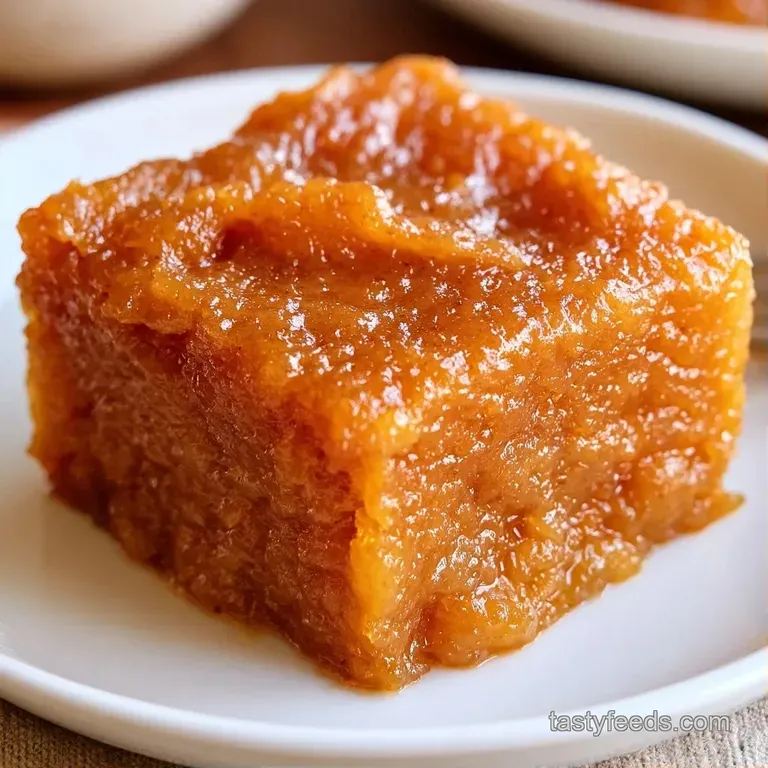
I suggest using small glass dishes or clay pots to highlight the gorgeous deep amber shade of the Banana Halwa. Because it is quite a rich treat, adding a temperature contrast is a great idea. Try pairing a warm serving with a dollop of chilled Greek yogurt or a scoop of vanilla bean ice cream.
For a traditional finish, just add a pinch of cardamom and a few extra toasted cashews on top. The flavors are so powerful that the dish hardly needs any extra help. Whether you are sharing this Banana Halwa with loved ones or enjoying it as a solo treat, it's a comforting hug in every bite.
Recipe FAQs
How to prepare banana halwa?
Puree the bananas until smooth. Heat ghee to sauté cashews and raisins, toast the semolina, then simmer with the puree and jaggery until the mixture thickens.
Can jaggery be used as the sweetener?
Yes, it is the traditional choice. It gives the halwa a rich, caramelized taste and a deep amber color that white sugar cannot replicate.
Which type of bananas work best?
Overripe bananas are ideal. Their higher sugar content and softer texture blend seamlessly; they are also perfect for a chocolate chip cake.
Is it true that semolina ruins the banana flavor?
That's a myth. It actually adds a toasted, nutty aroma and provides the necessary structure to prevent the halwa from becoming too mushy.
What should I do if the mixture stays runny?
Simmer longer on medium low heat. Continue stirring until the moisture evaporates and the dense paste begins to pull away from the sides of the pan.
How long does it last when chilled?
Up to 4 days. Keep it in a glass jar and reheat with a tiny bit of ghee or water to loosen the texture.
Why is a pinch of salt included?
It balances the sweetness. A small amount of salt cuts through the intensity of the jaggery and highlights the natural fruit flavor.
Does freezing this dessert ruin the quality?
This one's false: you can freeze it for up to 2 months. The texture might be slightly grainier after thawing, but the flavor remains intact.
Banana Halwa with Jaggery