Vegan Asian Recipe with Tofu and Ginger
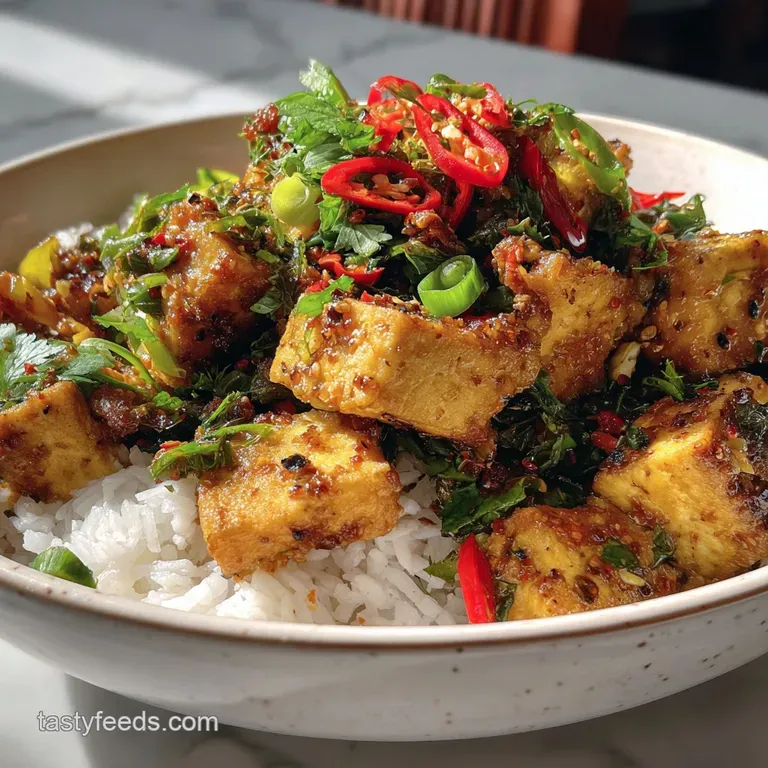
- Time: Active 20 mins, Passive 15 mins, Total 35 mins
- Flavor/Texture Hook: Shatter crisp edges with a velvety ginger soy glaze
- Perfect for: Busy weeknight dinners, high protein meal prep, or beginner vegans
- Master the Ultimate Vegan Asian Recipe with Tofu and Ginger
- Why High Heat and Starch Create Magic
- Choosing the Best Preparation Method
- Component Analysis for Maximum Crunch
- The Essential Ingredients and Swaps
- Vital Tools for Quick Cooking
- Step-by-Step Cooking Guide for Beginners
- Fixing Common Texture and Flavor Issues
- Scaling Methods and Smart Flavor Variations
- Decision Shortcut for Flavor Profiles
- Smart Storage and Sustainability Tips
- Finishing Touches for Better Presentation
- Debunking Tofu Preparation Myths
- High in Sodium
- Recipe FAQs
- 📝 Recipe Card
Master the Ultimate Vegan Asian Recipe with Tofu and Ginger
The sizzle of cold tofu hitting a shimmering, hot skillet is a sound I’ve come to crave. If you’ve ever had "blah" tofu that felt like eating a wet sponge, I feel your pain. I’ve been there, staring at a plate of grey cubes, wondering why anyone would choose this over chicken.
But then I discovered the "shatter" factor. This flavorful vegan Asian recipe with tofu and ginger will become your new weeknight favorite because it treats tofu like the blank canvas it is, painting it with bold ginger and garlic.
I remember the first time I actually got the texture right. I was starving, had ten minutes before a Zoom call, and decided to stop overcomplicating things. I pressed the tofu between two heavy cast iron pans, tossed it in starch, and let it sit in the oil until it developed a crust so thick it sounded like a potato chip when I tapped it with my spatula.
That’s the energy we’re bringing today. It’s fast, it’s survival friendly, and the aromatics will make your kitchen smell like your favorite downtown takeout spot.
We are moving away from soggy, sad meals and toward bold, punchy flavors. We’ve got the heat from sriracha, the sweetness of maple syrup, and the sharp, medicinal bite of fresh ginger. It’s a survival guide for anyone who needs a 35 minute win that tastes like you’ve spent hours simmering a base.
Let’s get that pan hot.
Why High Heat and Starch Create Magic
Creating a crispy exterior on a high moisture protein like tofu requires understanding how water interacts with heat. If you skip the pressing phase, you’re just steaming your food.
- The Starch Barrier: Cornstarch acts as a sacrificial layer that absorbs surface moisture and dehydrates instantly in oil. This creates a brittle, porous crust that provides the "shatter" sensation.
- Maillard Reaction: By removing excess water, we allow the surface temperature of the tofu to exceed 300°F. This triggers the Maillard reaction, where proteins and sugars reorganize into complex, savory flavor compounds.
- Emulsion Stability: The 1 tsp of cornstarch in the sauce acts as a stabilizer. It prevents the oil and soy sauce from separating, ensuring a velvety coating that clings to every cube.
- Aromatic Volatility: Ginger and garlic contain essential oils that are heat sensitive. Adding them late in the process "blooms" these oils without burning the delicate sulfur compounds.
Choosing the Best Preparation Method
| Preparation Path | Time Required | Final Texture | Best For |
|---|---|---|---|
| Extra Firm (Pressed) | 35 mins | Shatter crisp exterior | Authentic stir fry |
| Super Firm (Unpressed) | 15 mins | Dense and chewy | Ultra fast survival meal |
| Frozen & Thawed | 12 hours | Spongy and porous | Maximum sauce absorption |
If you’re in a rush, grabbing a pack of "Super Firm" tofu (the kind vacuum packed without water) is a genius move. It skips the 15 minute pressing step entirely, though the texture is slightly denser than the airy crunch of extra firm tofu.
Component Analysis for Maximum Crunch
| Ingredient | Science Role | Pro Secret |
|---|---|---|
| 16 oz Extra Firm Tofu | Structural Base | Freeze and thaw once for a "meaty" honeycomb texture that traps sauce. |
| 3 tbsp Cornstarch | Dehydrating Agent | Season the starch with salt directly to ensure flavor is bonded to the crust. |
| 2 tbsp Fresh Ginger | Pungent Aromatic | Use a spoon to peel the skin, then grate it to release more juice than chopping. |
| 1 tbsp Toasted Sesame Oil | Flavor Carrier | Add this at the very end to keep the volatile aromas from evaporating. |
Every component has a job. The cornstarch isn't just a coating, it's a moisture wicking system. The ginger isn't just a flavor, it's a digestive aid and a sharp contrast to the rich maple syrup. If you're looking for a sweet follow up to this savory dish, you might enjoy an Edible Cookie Dough recipe which uses similar pantry staples in a totally different way.
The Essential Ingredients and Swaps
You probably have 90% of this in your pantry. If not, don't panic. This is a survival focused recipe, meaning we make it work with what we have.
- 16 oz extra firm tofu, pressed and cubed: The backbone of the dish. Why this? Holds its shape under high heat and develops a superior crust.
- Substitute: Tempeh or chickpeas (no pressing required).
- 3 tbsp cornstarch: Used for the coating. Why this? Creates a thinner, crispier layer than all purpose flour.
- Substitute: Arrowroot powder or potato starch.
- 0.5 tsp sea salt: To season the cubes.
- 2 tbsp neutral oil (grapeseed or avocado oil): High smoke point is non negotiable here.
- 3 tbsp soy sauce: The primary salt and umami source.
- Substitute: Tamari (for gluten-free) or liquid aminos.
- 1 tbsp toasted sesame oil: For that nutty, deep finish.
- 1 tbsp rice vinegar: Adds the necessary acid to cut through the sugar.
- Substitute: Apple cider vinegar or lime juice.
- 1 tbsp maple syrup: The vegan sweetener of choice.
- Substitute: Brown sugar or agave nectar.
- 1 tsp sriracha: For a gentle hum of heat.
- 1 tsp cornstarch (for sauce stabilization): Thickens the glaze.
- 2 tbsp fresh ginger, minced: The star of the show.
- 4 cloves garlic, minced: Essential aromatic base.
- 3 green onions, sliced: Whites for flavor, greens for garnish.
- 1 tbsp toasted sesame seeds: For texture and visual pop.
Vital Tools for Quick Cooking
You don't need a high end wok to make this work. In fact, for most home stoves, a heavy bottomed skillet is actually better because it retains heat more effectively when you drop the cold tofu into the pan.
- Cast Iron or Carbon Steel Skillet: This is my survival weapon. It gets screaming hot and stays that way.
- Microplane Grater: Don't bother chopping ginger into tiny bits with a knife. A microplane turns it into a paste that melts into the sauce.
- Tofu Press or Heavy Weight: Two plates and a heavy can of beans work perfectly fine if you don't own a dedicated press.
- Whisk: Essential for ensuring the 1 tsp of cornstarch in the sauce is fully dissolved before it hits the heat.
step-by-step Cooking Guide for Beginners
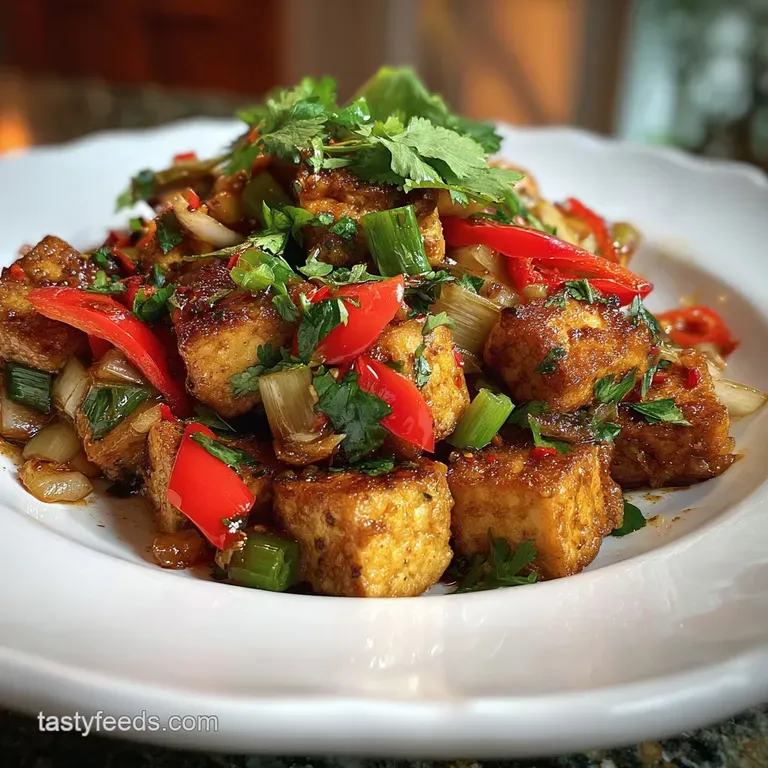
Phase 1: The Tofu Prep
Wrap your 16 oz of extra firm tofu in a clean kitchen towel. Place it on a plate and set another plate on top. Weigh it down with a heavy pot or a few cans of soup. Let it sit for 15 minutes until the towel is saturated and the tofu feels firm and rubbery.
This step is the difference between a soggy mess and a crispy win.
Phase 2: Cubing and Coating
Slice the tofu into 1 inch cubes. In a large bowl, toss the cubes with 3 tbsp cornstarch and 0.5 tsp sea salt. Shake the bowl vigorously until every side is chalky and white. Note: Don't do this too far in advance or the cornstarch will absorb the internal moisture and become gummy.
Phase 3: The over High heat Sear
Heat 2 tbsp of neutral oil in your skillet over medium high heat. Once the oil shimmers, add the tofu in a single layer. Let it cook undisturbed for 4 minutes until the bottom is golden brown and releases easily. Flip and repeat on all sides.
This should take about 10 minutes total.
Phase 4: Whisking the Soy and Ginger Base
While the tofu sears, whisk together 3 tbsp soy sauce, 1 tbsp toasted sesame oil, 1 tbsp rice vinegar, 1 tbsp maple syrup, 1 tsp sriracha, and 1 tsp cornstarch. Ensure there are no white lumps of starch visible.
Phase 5: Blooming the Aromatics
Push the crispy tofu to the outer edges of the pan. In the center, add the 2 tbsp minced ginger, 4 cloves minced garlic, and the white parts of the 3 green onions. Sauté for 1 minuteuntil the garlic is fragrant but not browned.
Phase 6: The Final Glaze
Pour the sauce mixture over everything. Toss the tofu constantly for 2 minutes until the sauce bubbles and transforms into a glossy, dark glaze. It should coat the tofu like a thick syrup.
Phase 7: Finishing
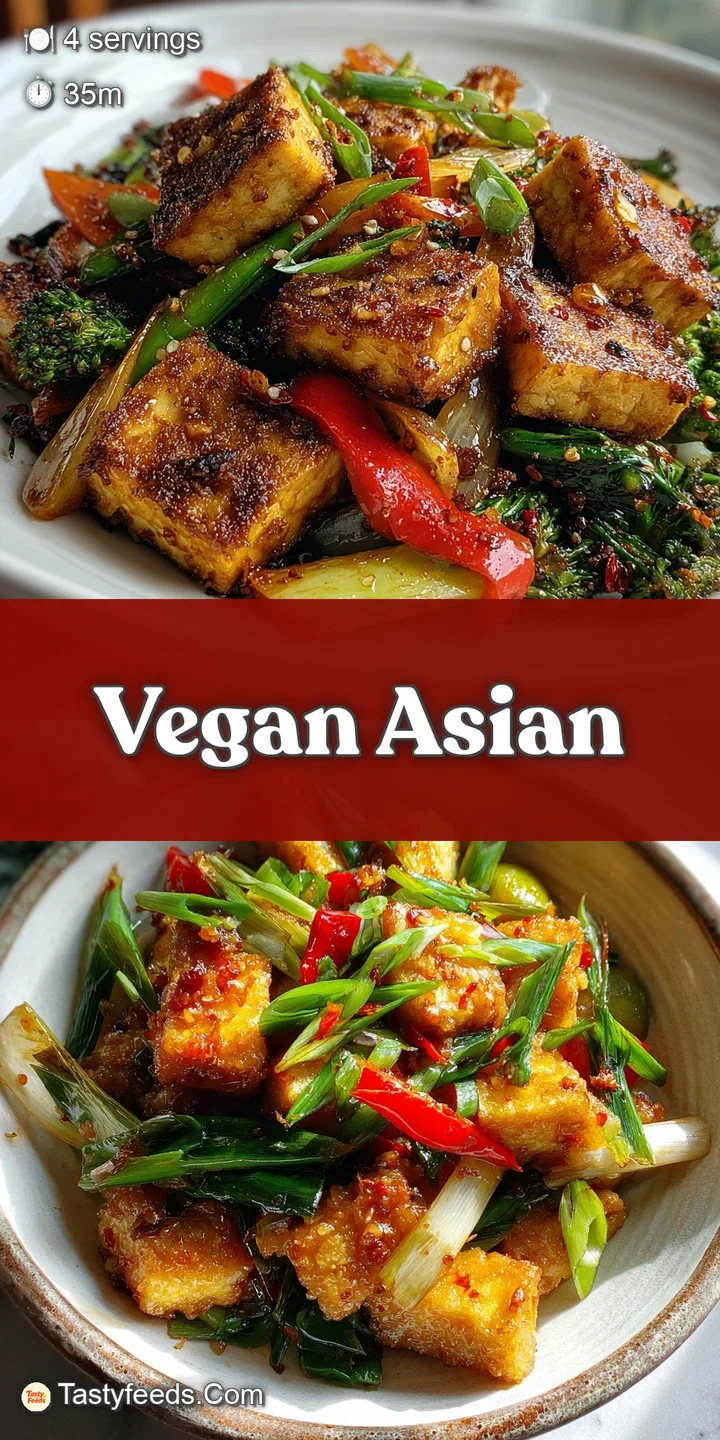
Remove from heat immediately. Sprinkle with the green onion tops and 1 tbsp toasted sesame seeds. Serve over rice or noodles while the crust is still at its peak crunch.
Fixing Common Texture and Flavor Issues
Why Your Tofu is Sticking
If your tofu is tearing when you try to flip it, you’re likely using a pan that isn't hot enough or you’re trying to flip too soon. Tofu will "self release" once the proteins have coagulated and formed a dry crust. If you force it, the soft interior will stick to the metal.
Why the Sauce is Gummy
A gummy sauce usually means the cornstarch to liquid ratio was off or the heat was too high for too long. Cornstarch thickens instantly at 203°F. If you leave it on the burner after it has thickened, it will begin to break down and turn translucent and stringy.
| Problem | Root Cause | Solution |
|---|---|---|
| Searing is taking too long | Pan crowded with too many cubes | Cook in two batches to allow steam to escape. |
| Ginger tastes bitter | Garlic or ginger burned in the pan | Add aromatics only when the sauce is ready to be poured. |
| Tofu is soggy after glazing | Sauce sat in the pan too long | Toss quickly and remove from heat immediately after thickening. |
Common Mistakes Checklist
- ✓ Skipping the pressing step (leads to "steam frying" rather than searing).
- ✓ Using "Silken" tofu instead of "Extra Firm" (silken will literally disintegrate).
- ✓ Adding the sauce before the tofu is fully crispy (it won't crisp up once wet).
- ✓ Using olive oil instead of a neutral, high smoke point oil.
- ✓ Not shaking off excess cornstarch (creates a floury mouthfeel).
Scaling Methods and Smart Flavor Variations
If you are cooking for a crowd, do not simply double the ingredients and throw them in one pan. This is a classic mistake. Overcrowding the skillet lowers the temperature and traps steam, resulting in mushy tofu.
- Scaling Up (2x): Use two separate skillets or work in batches. If you double the sauce, keep the sriracha at 1.5x unless you want it significantly spicier.
- Scaling Down (0.5x): Perfect for a solo lunch. Use a smaller 8 inch skillet to ensure the sauce doesn't evaporate too quickly.
- The Low Carb Swap: Replace the maple syrup with a monk fruit sweetener and serve the ginger tofu over cauliflower rice instead of jasmine rice.
- The gluten-free Version: Swap the soy sauce for Tamari. The rest of the ingredients are naturally gluten-free.
Decision Shortcut for Flavor Profiles
- If you want it Sweeter: Increase maple syrup to 2 tbsp and add a pinch of orange zest.
- If you want it Spicier: Double the sriracha and add 0.5 tsp of red chili flakes to the aromatics.
- If you want it Umami Rich: Add 1 tsp of vegan hoisin or mushroom powder to the liquid base.
Smart Storage and Sustainability Tips
Tofu is best eaten immediately, but it stores surprisingly well if you handle it correctly.
- Storage
- Keep leftovers in an airtight container in the fridge for up to 4 days. Note that the cornstarch crust will lose its crunch as it absorbs the sauce.
- Reheating
- Avoid the microwave. It turns tofu into rubber. Instead, throw the leftovers back into a dry skillet over medium heat for 5 minutes. This helps re crisp the edges.
- Zero Waste
- Don't toss those green onion roots! Put them in a jar of water on your windowsill, and they will regrow in about a week. Also, if you have extra ginger, peel it and freeze it. It actually grates easier when frozen.
Finishing Touches for Better Presentation
We eat with our eyes first. Even a quick survival meal can look like a $20 bistro plate with three simple moves.
- The Height Factor: Don't spread the tofu flat. Mound it up in the center of the bowl over your grains.
- Color Contrast: The dark brown glaze needs a pop. The bright green of the scallion greens and the white of the sesame seeds are non negotiable for that professional look.
- The Fresh Squeeze: A final wedge of lime squeezed over the top just before serving adds a brightness that cuts through the salt of the soy sauce.
Debunking Tofu Preparation Myths
Myth: You need a fancy tofu press to get good results. Truth: I’ve used a heavy textbook wrapped in plastic wrap and it worked just as well as a $30 press. Consistency is about time, not expensive gadgets.
Myth: Non stick pans are best for tofu. Truth: Actually, stainless steel or cast iron are better. They allow for a better "fond" (those little brown bits) to develop on the pan, which adds deeper flavor to the ginger glaze once you deglaze with the sauce.
Myth: Tofu is flavorless. Truth: Tofu is a sponge. If it's flavorless, you haven't seasoned your cornstarch or allowed the sauce to reduce enough. The ginger and garlic are the heavy lifters here, and they need that heat to bond to the protein.
High in Sodium
925 mg mg of sodium per serving (40% % of daily value)
The American Heart Association recommends limiting sodium intake to about 2,300mg per day for overall cardiovascular health.
Tips to Reduce Sodium in This Tofu Recipe
-
Reduce Soy Sauce-20%
Soy sauce is a major source of sodium. Reduce the amount used from 3 tbsp to 1.5 tbsp. You can compensate for flavor by adding a dash of Worcestershire sauce, which is lower in sodium, or a few drops of fish sauce, while being mindful of their own sodium levels.
-
Reduce Added Salt-15%
Eliminate or significantly reduce the 0.5 tsp of added sea salt used for the tofu. Taste the dish after cooking and add a pinch of salt only if absolutely necessary.
-
Flavor with Herbs & Spices
Enhance the flavor profile with sodium free herbs and spices like garlic powder, onion powder, smoked paprika, or red pepper flakes. These additions can compensate for the reduced salt without adding sodium.
-
Lower Sodium Sweetener-5%
Consider using honey instead of maple syrup. While this swap is mainly for flavor, opting for honey can slightly alter the overall taste, allowing for less soy sauce to be used in the first place. Taste the dish throughout the cooking process and adjust the amount of honey based on preference.
-
Adjust Sriracha-5%
Sriracha contains some sodium. Start with a smaller amount (e.g. 1/2 tsp) and add more to taste, being mindful of the overall sodium content.
Recipe FAQs
What is the ideal method to ensure the tofu achieves a shatter crisp exterior?
Press the tofu thoroughly for at least 15 minutes. After pressing, coat the cubes generously with cornstarch, then sear them in shimmering hot oil until a hard crust forms before adding any liquid.
How to prevent the sauce from turning gummy or stringy after adding it to the pan?
Remove the pan from the heat quickly once the sauce thickens. Ensure the cornstarch stabilizing the sauce is fully dissolved before adding it, and only toss for about two minutes until glossy.
Is it true that I must use extra firm tofu for this recipe to work correctly?
No, this is not entirely true, but extra firm is best for crunch. You can use super firm vacuum packed tofu to skip pressing time, but the final texture will be denser rather than airy crisp.
How to maximize the pungent flavor of the fresh ginger without burning it during the quick cook?
Add the minced ginger and garlic near the end of the process. Sauté them briefly (about one minute) in the cleared space in the pan just before pouring in the sauce to bloom their oils without scorching.
What should I substitute for soy sauce if I need a gluten-free version of this recipe?
Use Tamari or liquid aminos instead of standard soy sauce. These alternatives maintain the necessary salt and umami profile required to balance the maple syrup and vinegar.
If I need to cook for more people, how should I scale up the recipe ingredients?
Cook the tofu in multiple, separate batches using separate skillets if possible. Overcrowding one pan lowers the heat dramatically, trapping steam and ruining the crust formation.
How to reheat leftover glazed tofu to restore some of its original crispness?
Reheat the leftovers in a dry skillet over medium heat for about five minutes. Avoid the microwave, as it will steam the tofu and turn the exterior soft and rubbery.
Tofu Ginger Soy Recipe
Ingredients:
Instructions:
Nutrition Facts:
| Calories | 268 kcal |
|---|---|
| Protein | 11.6 g |
| Fat | 17.2 g |
| Carbs | 18.4 g |
| Fiber | 1.8 g |
| Sugar | 4.2 g |
| Sodium | 925 mg |
