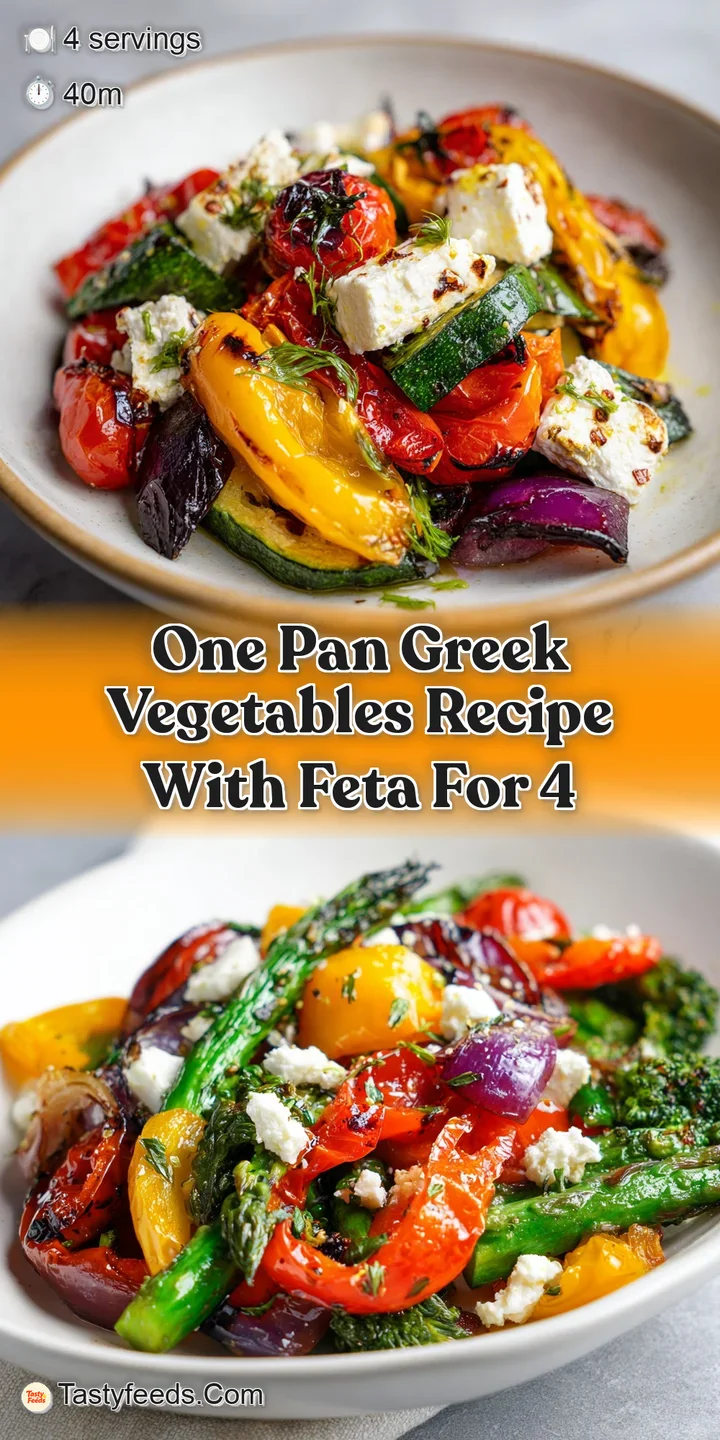
One Pan Greek Vegetables Recipe with Feta
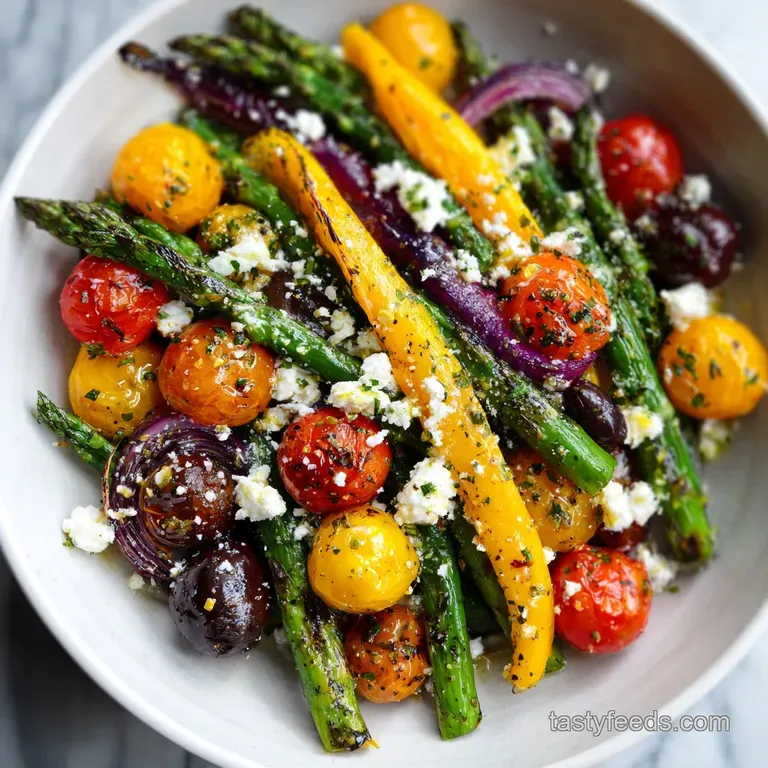
- Time: Active 15 minutes, Passive 25 minutes, Total 40 minutes
- Flavor/Texture Hook: Charred, tender crisp edges with velvety melted feta
- Perfect for: Healthy weeknight dinners or low effort meal prep
- The Best One Pan Greek Vegetables Recipe
- Why High Heat Roasting Works
- Quick Reference Specs and Yield
- Essential Ingredients for Bold Flavor
- Minimal Tools for Easy Prep
- Step-by-Step Cooking Instructions
- Troubleshooting Sogginess and Seasoning
- Smart Swaps and Variations
- Storage and Reheating Survival Guide
- Top Sides and Serving Ideas
- Quick Myths
- Recipe FAQs
- 📝 Recipe Card
The Best One Pan Greek Vegetables Recipe
I still remember the first time I tried to make a big tray of roasted veggies. I hacked everything into random sizes, tossed them in "enough" oil, and shoved them in the oven. What came out was a sad, grey, mushy pile of regret. The zucchini had turned into literal water, and the onions were raw in the middle.
It was a mess, but it taught me that roasting is about strategy, not just heat.
We're going for that specific restaurant style finish today. Imagine the smell of dried oregano hitting a hot pan, the sound of cherry tomatoes finally giving up and bursting, and that specific sizzle when the lemon juice hits the charred peppers.
This one pan greek vegetables recipe isn't just about throwing things together; it’s about timing and surface area. You’re going to love how the feta gets soft and salty against the sweetness of the roasted red onions.
Why High Heat Roasting Works
The Physics of the Char: High heat triggers the Maillard reaction, turning vegetable sugars into complex, savory compounds before the interiors turn to mush. This prevents the "steaming" effect that happens when ovens are too cool.
- Thermal Momentum: Cutting vegetables into uniform 1 inch to 1.5 inch pieces ensures they reach peak tenderness at the exact same moment the edges begin to shatter.
- Osmotic Balance: Salting at the start draws out just enough moisture to help the oil coat the skins, while the tomatoes provide a built in sauce as they rupture.
- Acid Integration: Adding fresh lemon juice only after roasting prevents the vegetables from becoming structurally weak and soggy during the bake.
If you’re looking to turn this into a full feast, it pairs beautifully with my Crockpot Greek Chicken recipe for a protein heavy Mediterranean spread.
| Method | Time | Texture | Best For |
|---|---|---|---|
| Oven Roast | 25 minutes | Crispy edges, deep char | Hands off bulk cooking |
| Stovetop | 15 minutes | Snappy, vibrant color | Quick single portions |
| Air Fryer | 12 minutes | Maximum crunch, dry finish | Small batches, ultra speed |
Maximizing the Maillard Reaction
To get that deep brown color, you need to avoid overcrowding the pan. When vegetables are too close, they release steam that gets trapped, leading to boiling rather than roasting. Give them space to breathe.
Strategic Surface Area Ratios
I always cut the zucchini thicker than the peppers. Why? Zucchini is mostly water and collapses fast. A thick 1 inch half moon stands a fighting chance against a 200°C oven while the peppers soften into sweetness.
Post Roast Acid Brightening
Heat kills the volatile oils in fresh lemon juice. By whisking the zest and juice over the tray the second it leaves the oven, you preserve that "zip" that cuts right through the fatty feta and oil.
Quick Reference Specs and Yield
| Component | Science Role | Pro Secret |
|---|---|---|
| Extra Virgin Olive Oil | Heat conductor | Use high-quality oil for a peppery finish |
| Smashed Garlic | Aromatic infusion | Smash cloves to release allicin, then mince for even distribution |
| Dried Oregano | Flavor backbone | Rub it between your palms to "wake up" the oils |
The key to this one pan greek vegetables recipe is the contrast between the hot, roasted base and the cold, fresh toppings. Adding the sliced English cucumber and fresh parsley at the very end provides a temperature shock that makes the dish feel alive rather than heavy.
Essential Ingredients for Bold Flavor
- 2 medium zucchini, cut into 1 inch thick half moons Why this? Thick cuts prevent the zucchini from turning into mush at high heat.
- 2 large red bell peppers, deseeded and cut into 1.5 inch chunks Why this? Large chunks maintain a slight bite after caramelizing.
- 1 large red onion, peeled and cut into thick wedges
- 1 cup cherry tomatoes, whole
- 0.5 cup English cucumber, sliced (keep these cold!)
- 0.25 cup extra virgin olive oil
- 1 tbsp dried oregano
- 4 cloves garlic, smashed and minced
- 1 tsp dried thyme
- 0.5 tsp sea salt
- 0.5 tsp cracked black pepper
- 4 oz feta cheese, crumbled
- 0.5 cup Kalamata olives, pitted and halved
- 1 large fresh lemon, juiced and zested
- 0.25 cup fresh parsley, chopped
| Original Ingredient | Substitute | Why It Works |
|---|---|---|
| Feta Cheese | Halloumi | Stays firm and gets a lovely crust when roasted. |
| Red Bell Peppers | Yellow or Orange | Similar sugar content and texture; slightly sweeter. |
| Dried Oregano | Fresh Oregano | Use 3x the amount; adds a more floral, less earthy note. |
| Red Onion | Shallots | Sweeter and milder; roast them whole if small. |
Minimal Tools for Easy Prep
You don't need a fancy kitchen for this. A standard large rimmed baking sheet (half sheet pan) is the only "heavy lifting" tool required. I prefer using a heavy duty stainless steel or aluminum pan because they distribute heat more evenly than thin, dark non stick pans which can burn the bottoms before the tops are done.
Grab a sharp chef's knife and a large mixing bowl. While you can toss everything directly on the tray, using a bowl ensures every single crevice of those vegetables gets coated in the oregano garlic oil.
If you're in a survival mode rush, just toss them on the pan, but don't say I didn't warn you about "dry spots!"
step-by-step Cooking Instructions
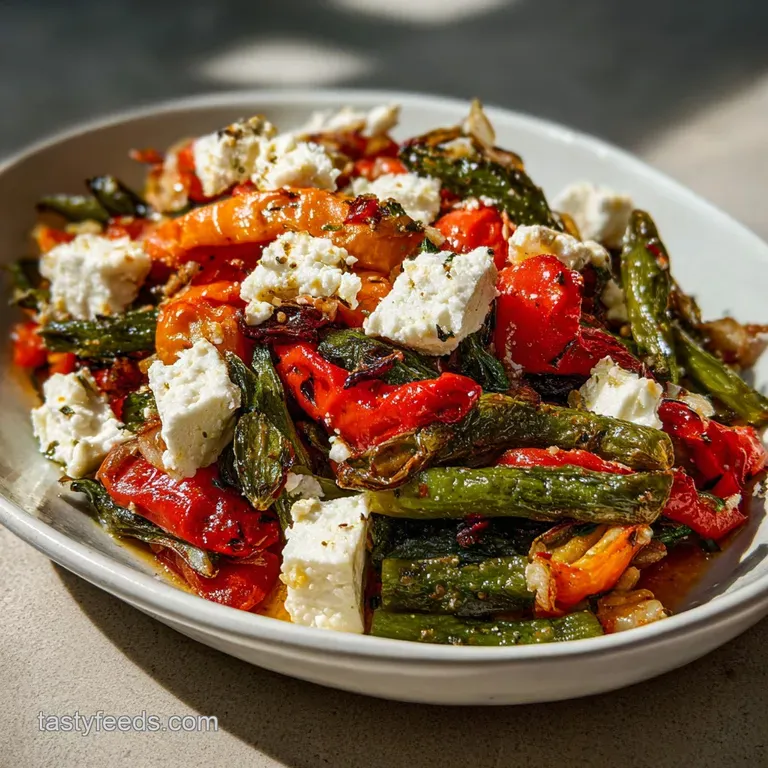
- Preheat your oven to 200°C (400°F). Note: A hot start is non negotiable for browning.
- Prep the 2 medium zucchini, 2 red bell peppers, and 1 red onion. Ensure pieces are chunky to survive the heat.
- Combine the 0.25 cup olive oil, 1 tbsp oregano, 1 tsp thyme, minced garlic, salt, and pepper in a bowl.
- Toss the zucchini, peppers, and onions in the oil mixture until every surface is glossy.
- Spread the vegetables onto a large baking sheet in a single layer. Note: Overcrowding causes steaming.
- Scatter the 1 cup cherry tomatoes across the tray.
- Roast for 20 minutes until the pepper edges start to char and tomatoes blister.
- Remove from the oven and immediately top with the 4 oz crumbled feta and 0.5 cup Kalamata olives.
- Drizzle the lemon juice and zest over the hot vegetables until they sizzle slightly.
- Finish by folding in the 0.5 cup cold sliced cucumber and 0.25 cup fresh parsley before serving.
Troubleshooting Sogginess and Seasoning
Why Your Vegetables Are Sinking
If your zucchini looks more like a wet sponge than a roasted vegetable, you likely fell victim to the "Steaming Trap." This happens when you put too many vegetables on one pan or your oven temperature isn't high enough.
Why Your Garlic Tastes Bitter
Garlic burns significantly faster than peppers. If you mince it into a fine paste, it will incinerate in 25 minutes. Stick to a "smashed and roughly minced" texture to protect it.
| Problem | Root Cause | Solution |
|---|---|---|
| Grey, soft veggies | Overcrowded pan | Use two pans or roast in smaller batches. |
| No browning | Oven temp too low | Ensure oven hits 200°C before the tray goes in. |
| Burnt herb flavor | Dried herbs on top | Toss in oil first to "insulate" the herbs from direct heat. |
Common Mistakes Checklist ✓ Pat the zucchini dry after cutting to remove excess surface moisture. ✓ Don't skip the lemon zest; the oils in the skin provide more flavor than the juice. ✓ Keep the cucumber and parsley in the fridge until the very last second.
✓ Use a large enough pan so you can see the bottom of the pan between the veggies.
Smart Swaps and Variations
If you're cooking for a smaller crowd, reducing this recipe is simple. For two people, use 1 zucchini and 1 pepper, but keep the garlic and spice levels at about 75% of the original. Spices don't always scale down linearly; you still need that punchy aromatic hit.
When scaling up for a party, don't just pile more on one tray. Use two separate racks in the oven and swap their positions halfway through. If you use a single tray for 8 servings, you'll end up with a stew, not a roast.
Chef's Note: If you want to make this vegan friendly, swap the feta for brined firm tofu or a handful of toasted pine nuts for that fatty, salty element.
Storage and Reheating Survival Guide
These vegetables will stay fresh in an airtight container in the fridge for up to 4 days. However, be aware that the cucumber will lose its crunch after about 12 hours. If you're meal prepping, keep the roasted base and the fresh cucumber/parsley in separate compartments.
Reheating: Avoid the microwave if possible; it turns roasted vegetables into rubber. Instead, toss them back onto a pan or into an air fryer at 180°C for 4-5 minutes. This revives the char and firms up the zucchini. I don't recommend freezing this dish.
The high water content in zucchini and tomatoes means they will completely collapse and turn watery once thawed.
Top Sides and Serving Ideas
This dish is a chameleon. I love serving it over a bed of fluffy quinoa or as a vibrant side to grilled lamb chops. If you have leftovers, they make an incredible cold salad the next day just add a splash of balsamic vinegar.
Actually, if you're into quick meals that don't require much cleanup, you might enjoy my Fried Rice recipe for those nights when the fridge is looking a bit bare but you still want something better than takeout.
Achieving the Perfect Char
The bottom of the vegetable is where the magic happens. Don't flip them too early! Let them sit against the hot metal pan for at least 15 minutes before you even think about tossing them. That contact is what creates the deep, savory crust.
Finishing with Freshness
The contrast of the 4 oz cold, tangy feta against the 200°C roasted vegetables is what makes this feel like a "recipe" and not just a tray of food. It creates a creamy, salty "sauce" as it slightly softens from the residual heat.
Avoiding Burnt Garlic
If you're worried about the garlic, you can actually toss the minced cloves in with the olives and feta for the last 5 minutes of roasting instead of at the beginning. This keeps the flavor sharp and sweet without any risk of acrid bitterness.
Quick Myths
- "Vegetables need to be peeled." Total myth. The skin of the zucchini and red onion holds everything together. Plus, that's where the nutrients live!
- "Fresh herbs are always better than dried." Not for roasting. Dried oregano and thyme handle the high heat of the oven much better than fresh, which would just shrivel and burn. Save the fresh parsley for the garnish.
Recipe FAQs
What is a traditional Greek vegetable dish?
Briam is a highly traditional dish. Briam is a baked vegetable medley, often including potatoes, zucchini, eggplant, and tomatoes, seasoned heavily with olive oil and herbs, similar to this one-pan method.
What are the most popular Greek vegetables for roasting?
Zucchini, red bell peppers, and red onions are staples. These three combine perfectly because their water content and sugar levels allow them to caramelize evenly under high heat.
What is the secret to perfectly sautéed veggies?
Use high, sustained heat and avoid overcrowding the pan. Overcrowding releases moisture, which steams the vegetables instead of allowing the sugars to brown; if you master controlling this moisture loss, you’ll see results similar to the flavor balancing we achieve in our Homemade Butter Chicken recipe.
What is Greek horta made of?
Horta primarily consists of wild edible greens. These greens, like dandelion or chicory, are typically boiled until tender and simply dressed with olive oil and lemon juice, focusing on earthy bitterness.
How do I prevent my zucchini from becoming soggy during roasting?
Cut the zucchini into thick, uniform pieces, at least 1 inch thick. Thicker cuts help the vegetable maintain structural integrity under high heat, preventing the interior water from escaping too quickly and turning the edges mushy.
Should I add the fresh lemon juice before or after the vegetables go into the oven?
Always add the fresh lemon juice after roasting is complete. Acid weakens the cell walls of the vegetables, so adding it before baking causes them to break down prematurely into a soft texture.
Can I substitute dried oregano with fresh oregano?
Yes, but you must increase the quantity significantly. You should aim for a ratio of three parts fresh herb to one part dried; if you prefer making jerky, the technique for seasoning is completely different, as shown in the Turkey Jerky Recipe.
Sheet Pan Greek Vegetables
Ingredients:
Instructions:
Nutrition Facts:
| Calories | 304 kcal |
|---|---|
| Protein | 7.6 g |
| Fat | 23.6 g |
| Carbs | 18.1 g |
| Fiber | 4.2 g |
| Sugar | 6.8 g |
| Sodium | 485 mg |
