Fried Rice: Smoky and Chewy Texture
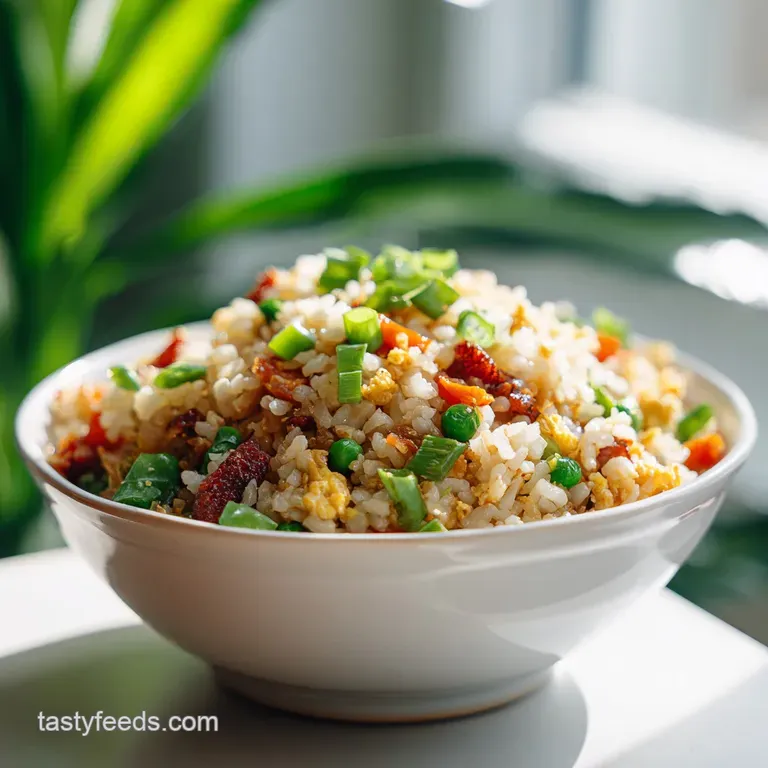
- Time: Active 10 mins, Passive 5 mins, Total 15 minutes
- Flavor/Texture Hook: Savory, smoky, and distinctively chewy
- Perfect for: Weeknight survival, clearing out the fridge, or feeding picky kids
- Achieving Fluffy Restaurant Style Fried Rice at Home
- Essential Specs for Faster Cooking
- Selecting the Best Ingredient Profiles
- Minimal Tools for Better Results
- Transforming Grains to Golden Silk
- Fixing Texture and Flavor Blunders
- Smart Swaps for Busy Cooks
- Storing and Reviving Leftover Grains
- Bold Pairings for Full Meals
- Recipe FAQs
- 📝 Recipe Card
Achieving Fluffy Restaurant Style Fried Rice at Home
The hiss of cold rice hitting a hot, oiled pan is the sound of a successful Tuesday night. I remember my first attempt at this; I used fresh, steaming rice straight from the cooker. It was a disaster a gummy, grey porridge that tasted more like sadness than takeout.
I stood over the stove, spatula in hand, wondering where the magic went. It wasn't until I visited a tiny street stall in Bangkok that I saw the "secret." They weren't using fancy gadgets; they were using day old rice that looked almost dry to the touch.
That was the turning point for me. This recipe isn't about being fancy; it's about the chemistry of a "second cook." When you toss those chilled, 500g of jasmine grains into the pan, you aren't just heating them up.
You’re searing the outside, creating a micro crust that holds the soy sauce without soaking it up like a sponge. It’s the difference between a soggy mess and a bowl of golden, shimmering grains that shatter slightly between your teeth.
We’ve all been there starving, with only a few things in the crisper drawer. This is my survival guide for those moments. You don't need a high BTU burner or a hand hammered wok to get that smoky flavor. You just need a heavy pan, the right fat, and a little bit of patience.
Let’s get into how we make this work in a regular kitchen without the stress.
Essential Specs for Faster Cooking
Retrogradation: Chilling rice forces starch molecules to reform into a rigid structure, preventing grains from mushing. This creates a distinct, chewy texture that can withstand over high heat tossing without breaking.
The Maillard Reaction: High heat transforms the sugars in soy sauce and the proteins in eggs into complex, savory flavor compounds. This only happens effectively if the pan is hot enough to evaporate moisture instantly upon contact.
Fat Layering: Using both neutral oil for over high heat searing and butter for finishing creates a velvety mouthfeel and a nutty aroma. The butter coats the starch at the end, providing a glossy sheen that mimics restaurant results.
| Comparison | Fresh Rice | Day Old Rice |
|---|---|---|
| Texture | Soft and sticky | Firm and distinct |
| Moisture Level | High (leads to steaming) | Low (leads to searing) |
| End Result | Clumpy and wet | Separated and crispy |
Deciding between starting from scratch or using what you have is the first step to success. If you are in a rush, you can spread fresh rice on a baking sheet and pop it in the freezer for 15 minutes to simulate the aging process, but nothing beats the real deal.
Retrograding Starch for Maximum Crisp
When rice cools, the amylose and amylopectin chains realign. This "retrogradation" is your best friend. It makes the rice less soluble and firmer. Without this step, your fried rice will always be mushy. I've tried to skip this, and honestly, don't even bother; the texture just isn't there.
Mastering the Maillard Reaction
You want the pan screaming hot. When the soy sauce hits the metal, it should bubble and disappear almost instantly. That concentrated "burnt" sugar smell is what gives the dish its soul. If the pan is too cold, the sauce just sits there, boiling the rice instead of frying it.
Layering the Fat Profile
We use neutral oil to do the heavy lifting. It has a high smoke point so it won't burn while we're searing. Then, right at the end, we toss in that 1 tablespoon of unsalted butter. It melts into the crevices of the grains, adding a richness that oil alone can't provide.
Selecting the Best Ingredient Profiles
| Component | Science Role | Pro Secret |
|---|---|---|
| Chilled Jasmine Rice | Structural foundation | Freeze for 10 mins if you forgot to prep |
| Toasted Sesame Oil | Volatile aromatic | Add ONLY at the very end to prevent bitterness |
| White Pepper | Earthy heat | Provides "back of the throat" warmth without grit |
| Unsalted Butter | Emulsification & Shine | Toss in cold to create a silky coating |
When choosing your rice, 3 cups of cooked jasmine is the gold standard because of its natural floral scent and moderate starch content. If you want to experiment with different proteins, a Duck Egg Recipe can be a brilliant way to add even more richness to the scramble.
- 3 cups chilled white jasmine rice (500g): Use long grain only. Why this? Long grains stay separate and don't clump like short grain sushi rice.
- Substitute: Long grain brown rice. Note: Needs more oil as it's drier.
- 2 large eggs: Lightly beaten. Why this? Provides protein and acts as a binder for the aromatics.
- Substitute: Firm tofu crumbles for a vegan option.
- 1/2 cup frozen peas and carrots (75g): Straight from the bag. Why this? Adds sweetness and a pop of color without extra chopping.
- Substitute: Sliced snap peas or diced bell peppers.
- 3 stalks green onions: Whites and greens separated. Why this? Whites flavor the oil; greens add a fresh finish.
- Substitute: Chives or very finely diced shallots.
- 2 cloves garlic: Minced. Why this? The essential aromatic base for any savory stir fry.
- Substitute: 1/2 tsp garlic powder (add to the sauce).
- 3 tbsp low sodium soy sauce: The primary salt source. Why this? Controls salt while adding deep umami color.
- Substitute: Tamari for a gluten-free version.
- 1 tbsp toasted sesame oil: For aroma. Why this? Adds that signature nutty scent that defines takeout flavor.
- Substitute: Toasted peanut oil.
- 1/2 tsp white pepper: For subtle heat. Why this? Melts into the dish better than black pepper flakes.
- Substitute: A pinch of cayenne or black pepper.
- 1 tbsp unsalted butter: The finisher. Why this? Creates a luxurious mouthfeel and golden gloss.
- Substitute: Ghee or vegan butter.
- 2 tbsp neutral cooking oil: Divided usage. Why this? Canola or grapeseed handles the high heat without smoking.
- Substitute: Avocado oil.
Minimal Tools for Better Results
You don't need a kitchen full of gadgets to pull this off. A large, heavy bottomed non stick skillet or a well seasoned cast iron pan is actually better than a wok on a standard electric or induction stove. Woks are designed for flames that lick up the sides; on a flat burner, you lose that heat.
Chef Tip: Freeze your butter for 10 minutes before adding it to the pan. Cold butter creates a better emulsion with the soy sauce, resulting in a silkier sauce that clings to the rice rather than soaking in.
A simple silicone spatula or a flat wooden spoon is your best friend here. You want something that can scrape the bottom of the pan to get those crispy bits (the socarrat of fried rice) without scratching your cookware. If you’re making a larger meal, this dish goes incredibly well alongside a Honey Butter Chicken recipe for a full "fakeaway" experience at home.
Transforming Grains to Golden Silk
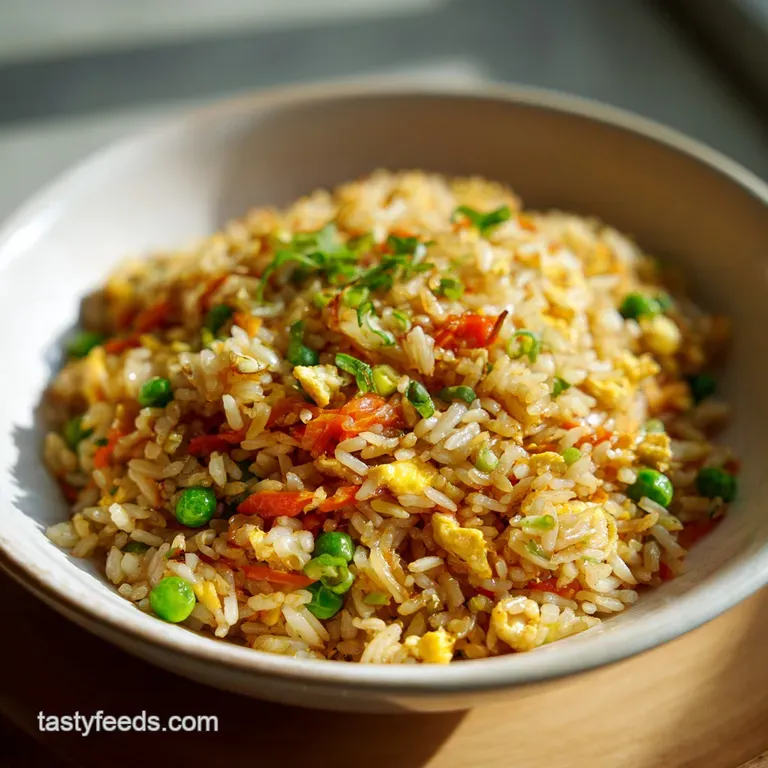
- Break up the rice. Use your hands to gently crumble the 500g of chilled rice into a bowl. Note: This ensures every grain hits the oil immediately.
- Prep the aromatics. Mince the garlic and slice the onions, keeping the white parts separate from the green tops.
- Scramble the eggs. Heat 1 tbsp of neutral oil in your pan over medium high heat until it shimmers and wisps of smoke appear.
- Remove the silk. Pour in the beaten eggs and swirl for 30 seconds until soft, velvety curds form, then remove them to a plate.
- Sear the aromatics. Add the remaining 1 tbsp of oil. Toss in the onion whites and minced garlic until they become fragrant and translucent (about 45 seconds).
- Flash fry the vegetables. Throw in the 75g of frozen peas and carrots until they are bright and no longer frosty.
- Fry the rice. Crank the heat to high and add the rice. Toss and press down for 3 minutes until you hear a rhythmic popping sound.
- Season the grains. Pour the 3 tbsp of soy sauce around the edges of the pan so it sizzles before hitting the rice. Add the white pepper.
- Re integrate and finish. Fold the eggs back in and add the 1 tbsp of butter and 1 tbsp of sesame oil.
- Garnish and serve. Toss for 1 more minute until the butter is melted and the rice is glossy. Top with onion greens.
Achieving Perfect Grain Separation
The secret to separation is not crowding the pan. If you have a small stove, do this in two batches. If the rice piles too high, it will steam itself. You want as much surface area as possible touching the hot metal. This is what creates those individual, toasted grains rather than a clump of mush.
Finishing with the Glow
That last minute of cooking is where the magic happens. When the cold butter hits the hot rice and soy sauce, it creates a light emulsion. This coats the rice in a thin, savory film that glows under the kitchen lights. It looks beautiful, but more importantly, it tastes like you spent hours on it.
Fixing Texture and Flavor Blunders
The Reason Your Rice Is Clumpy
If you find your rice sticking together in big lumps, it’s usually because of moisture. Either the rice was too fresh, or you didn't break it up before it hit the pan. Once it’s in the oil, it’s much harder to separate those starches without breaking the grains into dust.
| Problem | Root Cause | Solution |
|---|---|---|
| Gummy/Wet Texture | Rice was too warm or fresh | Spread rice on a tray and fan it for 5 mins |
| Bland Flavor | Not enough "wok hei" or salt | Add a splash of fish sauce or more white pepper |
| Burnt Garlic | Heat was too high too early | Add garlic AFTER the onion whites have softened |
Common Mistakes Checklist: ✓ Always use cold, day old rice (fresh rice will always turn to mush). ✓ Don't over stir; let the rice sit for 30 seconds at a time to get a crust. ✓ Add the soy sauce to the pan, not directly onto the rice, to caramelize it.
✓ Use white pepper instead of black for that authentic restaurant "bite." ✓ Ensure your frozen vegetables are small (peas/carrots) so they cook in seconds.
Balancing the Salt Levels
Soy sauce varies wildly in saltiness. I always recommend low sodium so you can control the seasoning. If it tastes "flat" even after adding the sauce, don't just add more soy add a tiny pinch of sugar or a squeeze of lime. Often, the dish just needs acid or a hint of sweet to make the salt pop.
Smart Swaps for Busy Cooks
Making it Kid Friendly (Plain Fried Rice Recipe)
For kids who are picky about "bits," skip the peas and carrots. Use only the white parts of the onion and double the butter. This creates a "gold and silver" style rice that is much more approachable for little ones while still having all that great seared flavor.
Going Green (Easy Vegetarian Fried Rice)
To make this a full vegetarian meal, I love adding small florets of broccoli or diced zucchini. Just make sure to sauté them before the rice so they have time to soften. You can also swap the soy sauce for liquid aminos if you're avoiding soy, though the flavor will be slightly sweeter.
Adding Quick Cook Proteins
If you have leftover rotisserie chicken or shrimp, this is the time to use them. Chop them into bite sized pieces and toss them in at step 9. They only need to be warmed through. This transforms a side dish into a complete, one pan survival meal in under 15 minutes.
| Precision Checkpoint | Value | Target Outcome |
|---|---|---|
| Rice Temperature | < 4°C (Fridge cold) | Prevents starch breakage |
| Pan Preheat Time | 3 minutes | Ensures immediate searing |
| Egg Cook Time | 30-45 seconds | Keeps eggs velvety and soft |
If you want a truly decadent version, try serving this with a Bang Bang Chicken Recipe. The creamy, spicy sauce from the chicken mixes with the savory rice in a way that is absolutely brilliant.
Storing and Reviving Leftover Grains
Storage: This fried rice keeps exceptionally well. Place it in an airtight container and it will stay fresh in the fridge for up to 3 days. In fact, some say it tastes even better the next day as the flavors have more time to meld together.
Freezing: You can freeze this for up to 2 months. To freeze, let it cool completely, then flat pack it in a freezer bag. This makes it easy to break off a portion and reheat it whenever the craving hits.
Reheating: Avoid the microwave if you can. It makes the rice rubbery. Instead, toss it back into a hot pan with a teaspoon of water and a lid for 2 minutes. The steam will revive the grains without making them soggy, and the pan will bring back that slight crisp on the edges.
Zero Waste Tip: Don't throw away those broccoli stalks or kale ribs! Peel the woody exterior of the broccoli stalk, dice the tender center, and toss it in with the peas and carrots. It adds a fantastic crunch and prevents food waste.
Bold Pairings for Full Meals
Fried rice is a team player. While it's great on its own, it really shines when paired with something that has a lot of sauce or a strong acidic profile. The rice acts as a sponge for any extra glaze, making sure none of that flavor goes to waste.
I often serve this with a quick cucumber salad dressed in rice vinegar and chili oil. The cold, crunchy cucumbers cut through the richness of the buttered rice perfectly. If you're looking for something heartier, it pairs perfectly with my Honey Butter Chicken recipe. The sweetness of the honey balances the salty soy sauce in the rice beautifully.
- Crispy Protein: Anything fried or seared works.
- Acidic Sides: Pickled ginger, kimchi, or a lime heavy slaw.
- Soups: A simple egg drop soup or miso soup provides a nice textural contrast.
Debunking the High Heat Myth
Many people think you must have a professional burner to make great rice. That's a myth. While high heat helps, the real secret is the moisture content of the rice. You can make incredible fried rice on a over medium heat electric stove as long as your rice is dry and you don't overcrowd the pan.
The "Soggy Veggie" Misconception
People often think they need to thaw frozen vegetables before cooking. Don't do it! Adding them frozen actually helps them keep their snap. They thaw in seconds in a hot pan. If you thaw them beforehand, they release their water slowly, which can lead to you guessed it soggy rice.
The Soy Sauce Overload
More soy sauce does not mean more flavor; it usually just means more moisture. If your rice looks pale, don't just keep pouring sauce. The color should be a light golden brown. For deeper color without the salt, a teaspoon of dark soy sauce (which is thicker and less salty) works wonders, though it's not strictly necessary for this quick version.
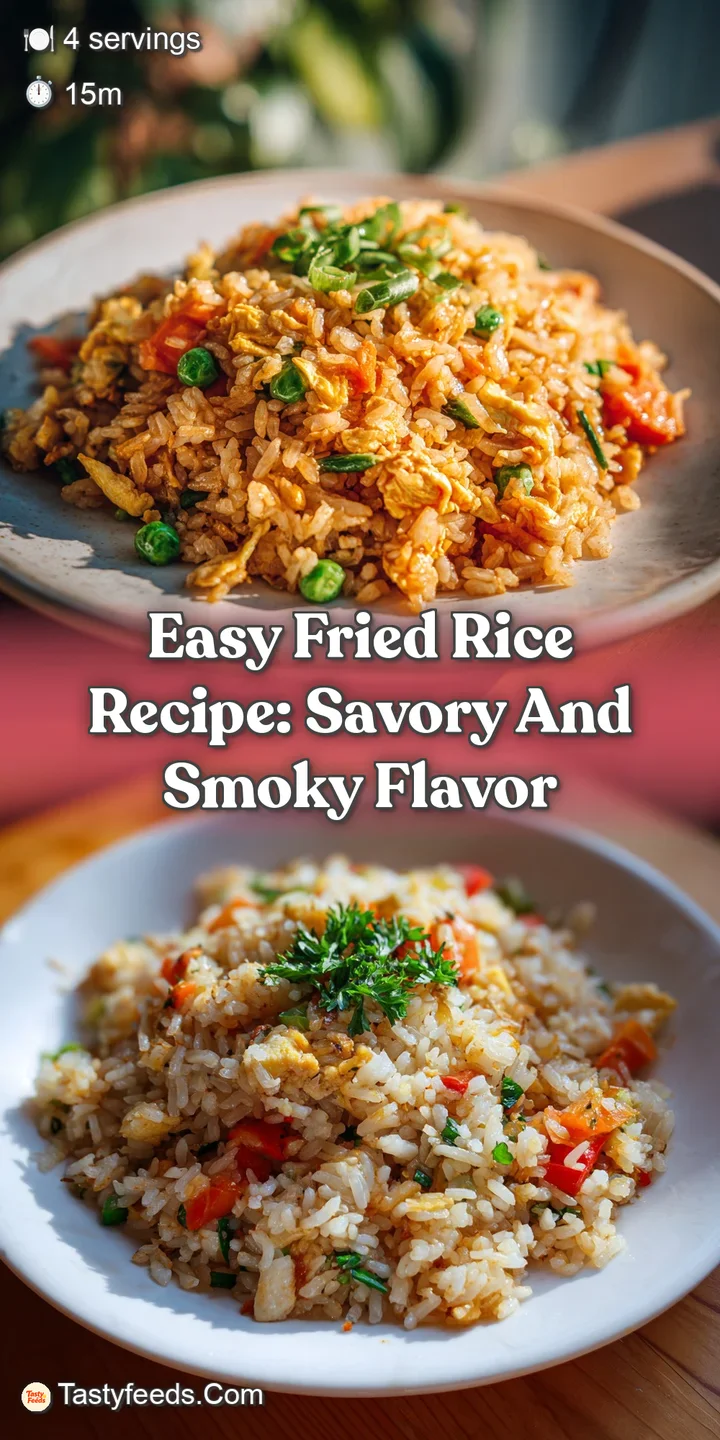
Recipe FAQs
What are the 5 ingredients in fried rice?
Chilled rice, eggs, aromatics (garlic/onion), protein/vegetables, and soy sauce. These five core elements build the foundation for texture, flavor, and bulk in nearly every fried rice variation.
What are the simple ingredients for fried rice?
Day-old cooked white rice, eggs, green onions, garlic, and soy sauce. This lean selection focuses purely on the necessary components for proper searing and essential savory flavor.
How to fry rice simple?
Heat a heavy pan until shimmering, sear aromatics, add cold rice and toss vigorously for three minutes. Add soy sauce and butter just at the end to coat the grains without steaming them.
How to make fried rice in 5 steps?
Scramble eggs and remove, sear your aromatics and vegetables, fry the cold rice on high heat, season with soy sauce, and finish by tossing with butter. This order ensures each component cooks correctly before final integration.
Is it true I must use day-old rice for success?
Yes, using cold, day-old rice is critical for restaurant quality. Chilling allows starches to retrograde, firming the grains so they sear instead of mushing when hitting high heat.
Should I add sesame oil at the beginning with the cooking oil?
No, always add toasted sesame oil only at the very end. It has a low smoke point and volatile aromatics; adding it early causes it to burn, resulting in a bitter off-flavor.
What happens if I use fresh rice straight from the cooker?
The rice will become gummy and wet, resulting in a texture similar to porridge. Fresh rice contains too much surface moisture which steams the grains instead of allowing them to sear effectively.
Quick Fried Rice Survival
Ingredients:
Instructions:
Nutrition Facts:
| Calories | 339 kcal |
|---|---|
| Protein | 8.4g |
| Fat | 16.2g |
| Carbs | 39.3g |
| Fiber | 1.4g |
| Sugar | 0.6g |
| Sodium | 651mg |
