Pumpkin Snickerdoodle Cookies Recipe
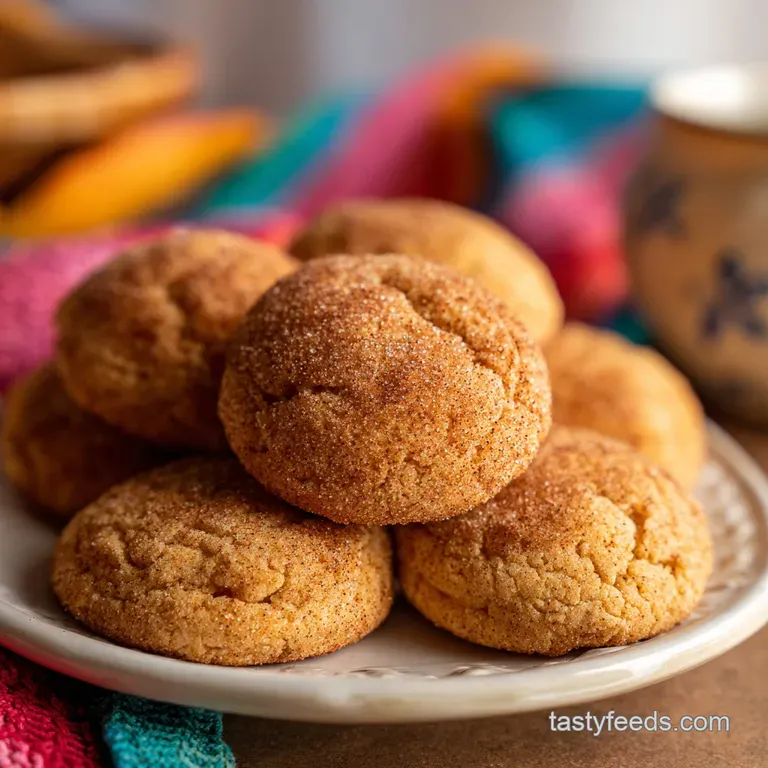
- Mastering the Classic Pumpkin Snickerdoodle Cookies Recipe
- The Science of the Perfect Pillowy Texture
- Recipe Specs: Timing and Yield Checkpoints
- Selecting Quality Elements for the Spiced Dough
- Essential Gear for Your Fall Baking Session
- Detailed Walkthrough for Scent Driven Baking
- Common Pitfalls and Troubleshooting Your Batch
- Scaling the Recipe for Holiday Gatherings
- Creative Serving Ideas and Flavor Pairings
- Maximizing Freshness and Reheating for Later
- Recipe FAQs
- 📝 Recipe Card
Mastering the Classic Pumpkin Snickerdoodle Cookies Recipe
The moment you pull these from the oven, your kitchen transforms into a cozy autumn sanctuary. It's that specific scent of warm cinnamon hitting the toasted sugar crust, mingled with the earthy, sweet aroma of real pumpkin.
I remember the first time I tried making a pumpkin snickerdoodle cookies recipe; I expected that classic "shatter" of a traditional snickerdoodle, but instead, I got a soggy, cakey disk that felt more like a muffin top.
It was heartbreaking, but it taught me everything about the moisture battle we face with fall baking.
We're going to fix that together. This isn't just another cookie; it's a pillowy soft treat that keeps that signature tang and sparkle you love. I've spent enough afternoons scraping failed batches off parchment paper to know exactly where things go sideways.
We’re aiming for a cookie that holds its shape, boasts a velvety interior, and carries enough spice to make your favorite latte jealous. Let’s get your apron on and get the butter softening, because these are about to become your new favorite tradition.
The Science of the Perfect Pillowy Texture
Moisture Management: Pumpkin puree is about 90% water, which normally destroys the structure of a crisp cookie. By using a higher ratio of flour to fat and blotting the pumpkin, we ensure the dough stays manageable and the final result isn't gummy.
Acidic Leavening: The cream of tartar isn't just for show; it provides the signature snickerdoodle tang. It also reacts with the baking soda to create a quick burst of carbon dioxide, giving the cookies their characteristic "crackled" surface and light crumb.
Starch Gelatinization: As the cookies bake at 180°C (350°F), the starches in the all purpose flour absorb the moisture from the pumpkin and egg yolk.
This creates a soft, set structure that remains tender even after cooling, preventing the cookies from becoming rock hard.
Quick Texture and Timing Reference
| Cookie Goal | Bake Time | Internal Cue | Visual Texture |
|---|---|---|---|
| Ultra Soft | 8-9 minutes | Still looks slightly wet | Pale edges, puffed center |
| Classic Chewy | 10 minutes | Set but soft to touch | Golden bottom, crackled top |
| Crisp Edges | 12 minutes | Firm around the perimeter | Deep amber edges, matte center |
If you are looking for more cozy bakes to fill your cookie jar this season, you might also love the rich, nutty notes in my Brown Butter cookies recipe. The deep flavor of browned butter pairs beautifully with the warm spices we're using here today.
Recipe Specs: Timing and Yield Checkpoints
Before we start mixing, let’s look at the logistics. Baking is a game of patience, especially when pumpkin is involved. You’ll need to account for the chilling time, which is non negotiable if you want cookies that don't spread into one giant sheet pan pancake.
- Prep time: 20 minutes (including blotting the pumpkin)
- Cook time: 10 minutes
- Total time: 1 hour (includes chilling)
- Yield: 18 cookies
Chef's Tip: Freeze your butter for exactly 10 minutes before you plan to cream it with the sugar. This keeps the fat from melting too quickly in the oven, giving you a much better "lift" and preventing excessive spreading.
Selecting Quality Elements for the Spiced Dough
The ingredients here are simple, but their roles are highly specific. Don't grab "pumpkin pie filling" by mistake; you need the pure, unsweetened canned pumpkin puree. The filling has added spices and sugar that will throw off our carefully balanced ratios.
Component Analysis
| Ingredient | Science Role | Pro Secret |
|---|---|---|
| Canned Pumpkin | Provides moisture and color | Blot it with paper towels to remove excess water |
| Cream of Tartar | Adds tang and limits gluten | Don't skip it; it's what makes a snickerdoodle unique |
| Egg Yolk | Richness and emulsification | Using just the yolk prevents the "cakey" muffin texture |
| Pumpkin Pie Spice | Depth of flavor | Bloom it in the softened butter for a more intense aroma |
Detailed Shopping List
- 1/2 cup (120g) canned pumpkin puree: Look for 100% pure pumpkin. Why this? It provides the classic fall flavor and natural orange hue.
- 1/2 cup (115g) unsalted butter, softened: Use high-quality butter with low water content. Why this? Fat creates the tender, melt in-your mouth feel.
- 3/4 cup (150g) granulated sugar: Standard white sugar.
- 1/4 cup (50g) light brown sugar, packed: Adds a hint of molasses. Why this? Brown sugar keeps the cookies soft and chewy.
- 1 large egg yolk: Skip the white entirely. Why this? Egg whites add too much lift and moisture, making cookies cakey.
- 1 tsp vanilla extract: Pure extract is always best.
- 1 3/4 cups (210g) all purpose flour: Spoon and leveled.
- 1 tsp cream of tartar: The essential snickerdoodle acid.
- 1/2 tsp baking soda: Our primary leavening agent.
- 1/4 tsp salt: To balance the sweetness.
- 1 1/2 tsp pumpkin pie spice: A blend of cinnamon, ginger, cloves, and nutmeg.
- Coating: 3 tbsp granulated sugar mixed with 1 tsp cinnamon, 1/4 tsp cardamom, and 1/4 tsp ginger.
Essential Gear for Your Fall Baking Session
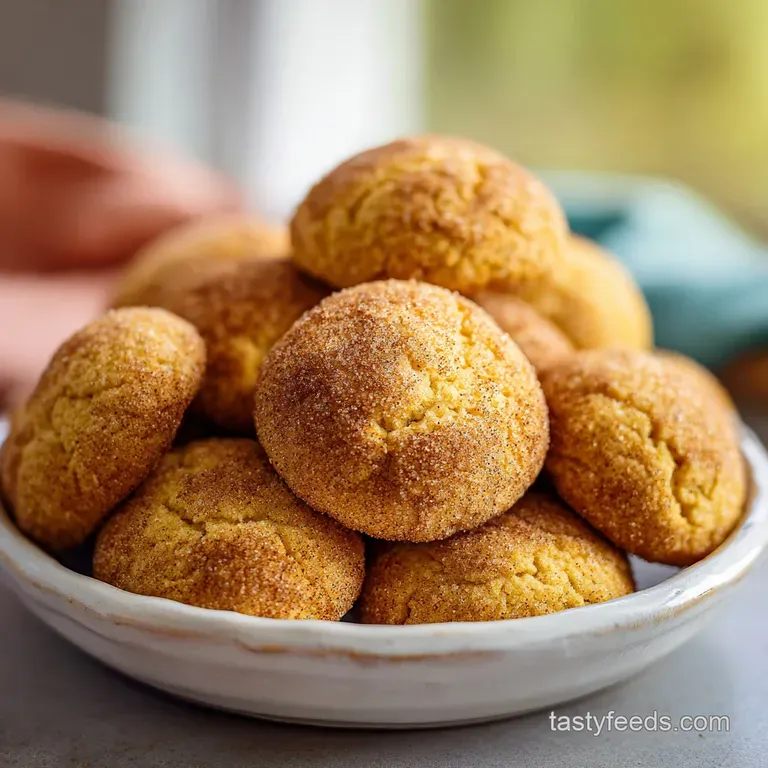
You don't need a professional kitchen, but a few specific tools make this cookies recipe much easier. A cookie scoop is your best friend here. It ensures every cookie is exactly the same size, which means they all finish baking at the exact same time. No more burnt edges on one side and raw centers on the other.
- Stand mixer or hand mixer: Essential for creaming the butter and sugar properly.
- Large baking sheets: Use light colored pans to prevent the bottoms from browning too quickly.
- Parchment paper or silicone mats: Never grease the pan; it causes too much spread.
- Small cookie scoop (1.5 tablespoon size): For uniform 18 cookies.
- Fine mesh sieve: For aerating the dry ingredients.
- Paper towels: For the mandatory pumpkin blotting step.
Detailed Walkthrough for Scent Driven Baking
- Prep the pumpkin. Spread your 120g of pumpkin puree onto a plate lined with three layers of paper towels. Press another layer on top and let it sit for 10 minutes. Note: This removes about 2 tablespoons of water, concentrating the flavor.
- Cream the fats. Beat the softened butter, granulated sugar, and brown sugar until the mixture looks pale and fluffy. Wait until it smells like sweet cream and has doubled in volume.
- Add the liquids. Mix in the egg yolk, vanilla, and the blotted pumpkin puree. Note: The mixture might look slightly curdled at first; just keep mixing until it emulsifies.
- Sift the dry. In a separate bowl, whisk together the flour, cream of tartar, baking soda, salt, and pumpkin pie spice.
- Combine gently. Gradually add the dry ingredients to the wet. Stop as soon as no white streaks of flour remain. Overmixing develops gluten and makes the cookies tough.
- Chill the dough. Cover and refrigerate for at least 30 minutes. This is crucial for handling the sticky dough.
- Create the coating. Mix the extra sugar, cinnamon, ginger, and cardamom in a small bowl. The aroma should be sharp and spicy.
- Roll and coat. Scoop 1.5 tablespoon portions, roll into balls, and toss thoroughly in the spice sugar until completely encrusted.
- Bake the batch. Arrange on sheets and bake at 180°C (350°F) for 10 minutes. Bake until the edges are set and the tops have beautiful cracks.
- Cool and set. Let them rest on the pan for 5 minutes before moving to a wire rack. They will "settle" and develop their final chewy texture.
Common Pitfalls and Troubleshooting Your Batch
The most common issue with any pumpkin snickerdoodle cookies recipe is the texture. Because pumpkin is a vegetable (technically a fruit, I know!), its water content varies by brand and even by season. If your dough feels more like cake batter than play dough, you've skipped the blotting step or used too much pumpkin.
Cookie Recovery Guide
| Problem | Root Cause | Solution |
|---|---|---|
| Cookies are flat | Butter was too soft or oven was too cool | Chill dough longer and use an oven thermometer |
| Cakey texture | Too much moisture or too many egg whites | Blot pumpkin better and use only the egg yolk |
| Sugar coating melted | Dough was too warm when rolled | Chill the dough balls for 10 minutes before coating |
Common Mistakes Checklist
- ✓ Never use pumpkin pie filling; the added liquid and sugar will ruin the structure.
- ✓ Do not skip the 30 minute chill time; the dough is very soft and needs to firm up.
- ✓ Ensure your baking soda and cream of tartar are fresh (under 6 months old).
- ✓ Use a kitchen scale for the flour (210g) instead of a measuring cup to avoid dry cookies.
- ✓ Resist the urge to overbake; they should look slightly underdone when you pull them out.
If you find yourself with extra pumpkin after this, you can always pivot to a Classic Pumpkin Muffins Recipe. It’s a great way to use up the rest of that can so nothing goes to waste!
Scaling the Recipe for Holiday Gatherings
If you're hosting a big fall party, you'll likely want to double this batch. When scaling up, keep in mind that the pumpkin blotting takes a bit more space. Use a larger plate and more paper towels to ensure you're still getting that concentrated flavor.
For a double batch (36 cookies), you can simply x2 most ingredients. However, be careful with the spices. Spices can become overwhelming when doubled exactly, so I usually go for 1.75x the amount of cinnamon and ginger to keep the flavor balanced without it becoming "hot" or medicinal.
Work in batches when baking; don't try to cram three sheets into the oven at once, as the airflow will be restricted and the cookies won't puff correctly.
Creative Serving Ideas and Flavor Pairings
These cookies are a star on their own, but they play very well with others. For a truly decadent dessert, try making "Snickerdoodle Sandwiches" by putting a scoop of maple or salted caramel ice cream between two cookies. The spices in the cookie cut through the richness of the dairy perfectly.
Ingredient Substitution Options
| Original Ingredient | Substitute | Why It Works |
|---|---|---|
| Unsalted Butter | Salted Butter | Works fine; just omit the 1/4 tsp salt in the recipe. |
| All Purpose Flour | 1:1 gluten-free Blend | Note: Use a blend with xanthan gum for the best structure. |
| Pumpkin Pie Spice | Cinnamon + Nutmeg | Use a 3:1 ratio if you don't have the pre made blend. |
Maximizing Freshness and Reheating for Later
Because of the pumpkin puree, these cookies actually stay soft longer than a traditional snickerdoodle. However, they are sensitive to humidity. If you live in a damp climate, that sugar coating can start to weep and get sticky.
Storage: Keep your cookies in an airtight container at room temperature for up to 4 days. If you want them to last longer, the fridge is an option, but it can dull the flavor of the spices.
Freezing: These freeze beautifully! You can freeze the baked cookies for up to 3 months. Even better, freeze the raw dough balls (before rolling in sugar). When you're ready for a fresh cookie, just roll the frozen ball in the sugar mixture and bake for an extra 2 minutes.
Zero Waste: If you end up with a few cookies that have gone a bit stale, don't toss them. Crumble them up and use them as a crust for a cheesecake or as a topping for a bowl of warm oatmeal. The concentrated pumpkin and spice flavors are far too good to waste. For a different crispy treat that uses similar warm flavors, check out this Hoe Cake Recipe which hits that perfect balance of sweet and salty.
The Truth About Pumpkin Moisture
Many people believe that adding more pumpkin will make the cookies "more pumpkiny." In reality, adding more puree just adds more water, which leads to a rubbery texture. The secret isn't more pumpkin; it's concentrated pumpkin.
By blotting the moisture out, you get the intense flavor and color without the structural integrity of the cookie falling apart.
Another myth is that you can substitute baking powder for the cream of tartar and baking soda combo. While baking powder contains both, the ratios are different. You'll lose that specific "snickerdoodle" tang and the specific way the top of the cookie crackles as it hits the heat.
Stick to the tartar for that authentic bakery style finish.
Recipe FAQs
Why put cream of tartar in snickerdoodles?
It provides the signature tang and controls spread. Cream of tartar is an acid that reacts with the baking soda, creating the distinctive slightly sour flavor and the puffy, crackled surface we associate with great snickerdoodles.
Can you add pumpkin puree to snickerdoodle cookie mix?
Yes, but you must blot the excess water first. Pumpkin puree is extremely high in moisture; if added directly, it results in a cakey, gummy cookie that spreads too much.
What are common snickerdoodle baking mistakes?
Overmixing the dough and skipping the chilling time are the main culprits. Overmixing develops gluten, leading to tough cookies, while warm dough spreads immediately, creating thin, greasy disks instead of soft mounds.
What is the secret to soft snickerdoodles?
Use only the egg yolk and slightly underbake them. The yolk provides necessary fat and emulsification without adding the excess moisture from the white, which often leads to a cakey texture. Pull them when the centers look slightly wet.
Should I substitute baking powder for the cream of tartar?
No, this yields inferior results for snickerdoodles. Baking powder contains both the acid and base, but it won't provide the specific chemical reaction needed to give the cookie that classic, slightly chewy tang and the signature top crackle.
How should I store my pumpkin snickerdoodles for maximum freshness?
Store them airtight at room temperature for up to four days. Avoid the refrigerator unless your kitchen is extremely humid, as refrigeration can sometimes dull the spice flavors. For long term storage, freeze the baked cookies for up to three months.
How do I ensure my rolled dough balls don't melt before they hit the oven?
Chill the rolled dough balls for 10 minutes before coating. This hardens the fat just enough so the sugar coating adheres properly without the dough immediately slumping when placed on the hot baking sheet.
Pumpkin Snickerdoodle Recipe
Ingredients:
Instructions:
Nutrition Facts:
| Calories | 146 kcal |
|---|---|
| Protein | 1.4 g |
| Fat | 5.4 g |
| Carbs | 23.1 g |
| Fiber | 0.5 g |
| Sugar | 13.8 g |
| Sodium | 65 mg |
