Recette Poulet Crémeux Riz Facile
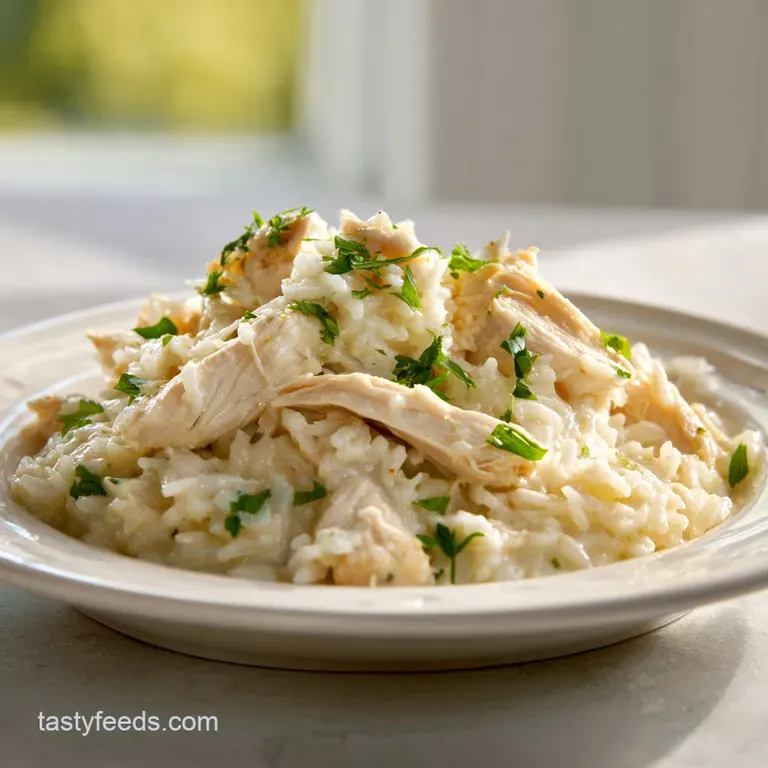
- Time: Active 10 min, Passive 20 min, Total 30 min
- Flavor/Texture Hook: Velvety mustard cream meets tender seared chicken
- Perfect for: Busy weeknight survival and high protein meal prep
- A Reliable Recette Poulet Crèmeux Riz Rapide Facile
- The Science of over High heat Efficiency
- Component Analysis for Peak Performance
- Essential Elements for Fast Results
- Tools for Minimal Cleanup Cooking
- Step-by-Step Guide to the Meal
- Solving Texture and Flavor Problems
- Smart Swaps for Busy Cooks
- Guidelines for Future Meal Planning
- Simple Ways to Serve This
- Debunking Traditional Searing Myths
- Recipe FAQs
- 📝 Recipe Card
A Reliable Recette Poulet Crèmeux Riz Rapide Facile
The sound of cold chicken cubes hitting a hot pan is the universal signal that dinner is finally happening. I remember one specific Tuesday where my schedule went completely sideways. I had exactly thirty minutes before I needed to be back on a call, and the fridge looked bleak.
I grabbed the chicken, a handful of rice, and that jar of Dijon mustard that lives in the back of the door. The hiss of the sear and the scent of thyme immediately calmed my nerves.
This isn't just a meal, it's a tactical maneuver for your kitchen. We aren't doing three pots and a mountain of dishes. We are using one pan to build layers of flavor that taste like you spent hours at the stove.
By the time the rice has absorbed the broth and the cream swirls in, the kitchen smells like a French bistro, but your sink is practically empty.
The magic happens when the mustard meets the light cream. It creates this sharp, tangy backbone that keeps the dish from feeling heavy or one note. You get that "velvety" mouthfeel without the "laborious" effort of a traditional sauce. It is fast, it is bold, and it works every single time you're in a rush.
The Science of over High heat Efficiency
Starch Integration: Basmati rice releases surface starches during the initial toast and simmer, acting as a natural thickener for the cream.
Maillard Reaction Control: Searing the chicken at high heat first creates flavor compounds that dissolve into the sauce later, boosting the "umami" profile.
Acidic Emulsification: The white wine vinegar in Dijon mustard helps stabilize the cream, preventing it from splitting when introduced to the hot broth.
| Thickness | Internal Temp | Rest Time | Visual Cue |
|---|---|---|---|
| 2cm cubes | 165°F | 0 mins | No pink inside |
| 1 inch strips | 165°F | 3 mins | Juices run clear |
| Whole breast | 165°F | 5 mins | Firm to the touch |
You can't just throw everything in at once. Timing the internal temperature of the chicken ensures you don't end up with rubbery protein while waiting for the rice to finish.
Component Analysis for Peak Performance
| Ingredient | Science Role | Pro Secret |
|---|---|---|
| Basmati Rice | Starch Provider | Toast it in oil for 2 minutes to keep grains separate |
| Dijon Mustard | Emulsifier | Use "smooth" style to integrate perfectly into cream |
| Light Cream | Fat Source | Add at the very end to avoid curdling from high heat |
| Chicken Broth | Hydration | Use low sodium to control the final seasoning level |
Using the right components prevents the dish from turning into a mushy mess. The choice of Basmati is strategic because its long grains stay distinct even after simmering in cream.
Essential Elements for Fast Results
You will need these exact quantities to maintain the sauce to rice ratio. Don't eyeball the broth or you'll end up with soup or burnt grains.
- 600g chicken breast: Cut into 2cm cubes for fast, even cooking.
- 300g Basmati rice: Why this? It stays fluffy and doesn't clump as easily as jasmine.
- 1 tbsp olive oil: Standard fat for searing.
- 600ml chicken broth: Low sodium is best to avoid over salting.
- 200ml light cream (15% fat): Why this? Provides richness without the high calorie count of heavy cream.
- 2 tbsp Dijon mustard: Use a quality brand like Maille for the best tang.
- 2 cloves garlic: Minced finely to melt into the sauce.
- 1 small shallot: Finely diced for subtle sweetness.
- 1 tsp dried thyme: Adds an earthy, herbal note.
- 0.5 tsp salt & 0.5 tsp black pepper: Adjust at the very end.
| Fresh Ingredient | Shortcut Swap | Why It Works |
|---|---|---|
| Fresh Shallot | 1 tsp Onion Powder | Same savory base without the chopping. Note: Slightly less sweet. |
| Minced Garlic | 1 tsp Garlic Paste | Immediate distribution into the oil for flavor. |
| Dried Thyme | Dried Oregano | Similar herbal profile but more Mediterranean. |
Tools for Minimal Cleanup Cooking
Since we are focused on speed and survival, don't overcomplicate the gear. You only need a few basics to get this right.
- Large Deep Skillet or Sauté Pan: Needs a tight fitting lid to steam the rice properly.
- Silicone Spatula: Essential for scraping the "brown bits" (fond) off the bottom of the pan.
- Chef's Knife: A sharp blade makes those 2cm chicken cubes look uniform.
- Measuring Cups: Precision with the broth and rice ratio is non negotiable here.
step-by-step Guide to the Meal
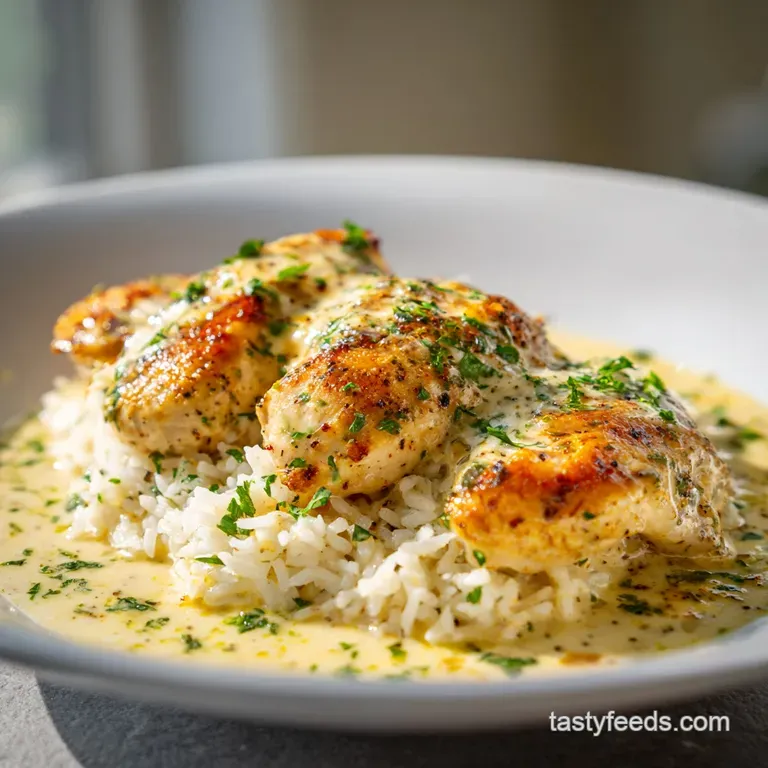
- Prep the protein. Pat the 600g chicken cubes dry with a paper towel. Note: Dry meat sears, wet meat steams.
- Sear the chicken. Heat olive oil in the skillet. Add chicken and cook until golden and browned on all sides (about 5 minutes). Remove chicken from the pan.
- Sauté aromatics. In the same pan, add the shallot and garlic. Cook until fragrant and translucent.
- Toast the grains. Add the 300g Basmati rice to the pan. Stir until the edges of the rice look clear (about 2 minutes).
- Deglaze and season. Pour in the 600ml chicken broth. Scrape the bottom of the pan to release the flavor. Stir in the Dijon mustard, thyme, salt, and pepper.
- The simmer. Return the chicken to the pan. Bring to a boil, then reduce heat to low. Cover with a lid and cook for 15 minutes until the liquid is mostly absorbed.
- The creamy finish. Remove from heat. Stir in the 200ml light cream. Note: Adding cream off heat prevents curdling.
- The rest. Replace the lid and let the dish sit for 5 minutes until the sauce thickens and rice is tender.
| Fresh Approach | Shortcut Method | Flavor Impact |
|---|---|---|
| Sautéing Shallots | Using Onion Powder | Fresh has more texture and sweetness. |
| Real Chicken Broth | Water + Bouillon Cube | Bouillon can be saltier but provides deep color. |
Solving Texture and Flavor Problems
Why Your Rice Is Still Crunchy
If the rice is hard after the timer, the lid likely wasn't tight enough, allowing steam to escape. You can fix this by adding 2-3 tablespoons of hot water and covering it for another 5 minutes on very low heat. Never keep stirring it, or you'll break the grains.
What If the Sauce Is Too Thin?
The sauce thickens as it cools due to the rice starches. If it looks like soup after adding the cream, let it sit uncovered for 3 minutes. The rice will continue to drink up the excess moisture. If it's still too thin, a tiny bit of parmesan cheese can act as an emergency binder.
| Problem | Root Cause | Solution |
|---|---|---|
| Gummy Rice | Too much stirring | Do not touch the rice once the lid goes on. |
| Bland Sauce | Lack of salt/acid | Add a squeeze of lemon or an extra teaspoon of mustard. |
| Split Cream | Added to boiling liquid | Always stir in cream after the pan is off the heat. |
Common Mistakes Checklist ✓ Pat chicken completely dry before searing (prevents steaming). ✓ Don't peek! Lifting the lid lets out the steam needed for the rice. ✓ Use room temperature cream to prevent a temperature shock.
✓ Rinse the rice briefly if you want perfectly separate grains.
Smart Swaps for Busy Cooks
Making This dairy-free
You can swap the light cream for full fat coconut milk. It won't taste like a French bistro anymore it'll head toward a Thai flavor profile but the fat content is similar enough to maintain the "velvety" texture. Just make sure to keep the mustard, as the acidity is still needed to balance the coconut.
Scaling the Recipe
- To Scale Down (2 servings): Cut all ingredients in half. Use a smaller 8 inch skillet to ensure the liquid level is deep enough to cover the rice. Reduce the simmer time by about 3 minutes.
- To Scale Up (8 servings): Double the chicken and rice, but only use 1.5x the salt and thyme. Work in batches to sear the chicken so the pan doesn't get crowded. Use a large Dutch oven instead of a skillet.
Guidelines for Future Meal Planning
This recipe holds up surprisingly well for meal prep because the cream sauce keeps the rice from drying out in the fridge.
- Fridge: Store in an airtight container for up to 3 days.
- Reheating: Add a splash of milk or water before microwaving to loosen the sauce. Heat in 30 second bursts, stirring in between.
- Freezer: Not recommended. Cream based sauces and rice often change texture (becoming grainy) once thawed and reheated.
- Zero Waste Tip: If you have leftover shallot or garlic skins, throw them in a freezer bag for your next homemade stock. Leftover sauce can be thinned with more broth to make a quick "creamy chicken soup" the next day.
Simple Ways to Serve This
Since this is a one pan meal, you don't need anything else, but a bit of green makes it feel like a real dinner. A quick handful of arugula tossed in lemon juice and olive oil provides a "shatter" of freshness against the "velvety" rice.
Chef's Tip: If you have a stray lemon in the fridge, zest half of it over the finished dish. The citrus oils cut through the 15% fat cream like a dream.
- If you want more crunch: Top with toasted breadcrumbs or crushed butter crackers.
- If you want it spicy: Add a teaspoon of red pepper flakes when sautéing the garlic.
- If you want more veg: Stir in two handfuls of baby spinach at the same time as the cream; the residual heat will wilt it perfectly.
Debunking Traditional Searing Myths
Searing the chicken does not "seal in the juices." Science shows that moisture loss happens regardless of the crust. We sear purely for the Maillard reaction those brown bits on the bottom of the pan are concentrated flavor bombs that make the rice taste incredible.
Another myth is that you must use heavy cream for a "creamy" result. Because the rice is cooked directly in the pan, the released starches do half the work. The 15% light cream is more than enough to achieve that rich mouthfeel without feeling like you've eaten a brick.
Trust the starch; it's your best friend in one pan cooking.

Recipe FAQs
Can I use heavy cream instead of light cream for this recipe?
Yes, but use caution. Heavy cream adds richness but increases the risk of the sauce splitting due to the higher fat content reacting to the heat.
How to ensure the Basmati rice cooks fully in 15 minutes?
Ensure the pan is brought to a full boil before reducing the heat to low and covering tightly. The steam trapped inside is crucial for tenderizing the grains during the simmer.
Is it true that searing the chicken seals in all the moisture?
No, this is a common misconception. Searing’s primary purpose here is to create flavorful browned bits (fond) on the bottom of the pan, not moisture retention.
What should I do if the sauce is too thin after adding the cream?
Remove the pan from the heat source and let it sit, covered, for an additional five minutes. The starch released by the rice will continue to absorb liquid and thicken the sauce as it cools slightly.
How do I prevent the cream from curdling when stirring it in?
Turn the heat off completely before adding the cream. Stirring the cream into the residual heat ensures it emulsifies smoothly with the mustard and broth without boiling.
Can I use frozen chicken breast cubes instead of fresh?
No, thaw and pat them dry first. Frozen chicken releases excessive water when cooking, which will steam the chicken rather than sear it, leading to a bland flavor profile.
How can I quickly increase the flavor if I don't have white wine?
Substitute the wine with an extra teaspoon of Dijon mustard and a small splash of apple cider vinegar. The acid is necessary to balance the richness of the cream.
Poulet Cremeux Riz Rapide

Ingredients:
Instructions:
Nutrition Facts:
| Calories | 587 kcal |
|---|---|
| Protein | 42g |
| Fat | 16g |
| Carbs | 64g |
| Fiber | 1.8g |
| Sugar | 2.1g |
| Sodium | 785mg |
