Pan Seared Steak: Steakhouse Results
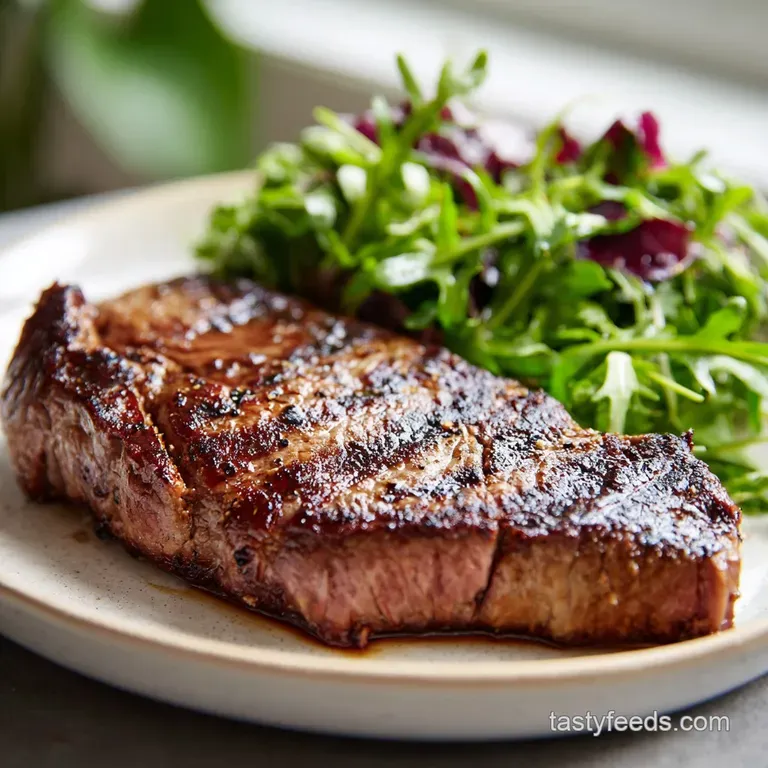
- Time: Active 10 minutes, Passive 5 minutes, Total 15 minutes
- Flavor/Texture Hook: A shatter crisp exterior with a velvety, garlic infused center
- Perfect for: High protein weeknight dinners or impressive date night meals
- Everything You Need for a Pan Seared Steak
- The Science of Heat Transfer and Maillard Crust Formation
- Precision Metrics for Achieving Consistent Restaurant Quality Results
- Choosing High Quality Proteins and Essential Seasoning Components
- Minimal Tools Required for Achieving a High Heat Sear
- Executing the Recipe with Precise Timing and Sensory Cues
- Identifying Common Pitfalls and Applying Quick Kitchen Fixes
- Modifying the Dish for Various Dietary and Nutritional Requirements
- Smart Strategies for Storing and Reheating Your Beef Leftovers
- Visual Plating Techniques for a Professional Dinner Presentation
- Critical High in Sodium
- Recipe FAQs
- 📝 Recipe Card
Everything You Need for a Pan Seared Steak
I still remember the first time I tried to cook a thick ribeye in my tiny apartment kitchen. I was so worried about overcooking it that I pulled it off the heat when it looked like a grey, boiled piece of sad laundry.
The smoke alarm was screaming, my eyes were watering, and the steak was somehow both tough and flavorless. It was a disaster, but it taught me the single most important lesson in the kitchen: heat is your friend, but moisture is your enemy.
This recipe is the result of years of trial and error, moving away from complicated techniques and focusing on what actually works for a busy home cook. We are talking about a 15 minute process that delivers a steak so good you'll stop overpaying for them at restaurants.
It’s about that specific moment when the cold butter hits the hot cast iron and starts to foam, carrying the scent of toasted garlic and woody thyme right into the fibers of the meat.
You don't need a culinary degree or a thousand dollar grill to get this right. You just need a heavy pan, a decent piece of meat, and the confidence to let it sizzle without poking it every five seconds. Trust me, once you hear that first aggressive crackle in the pan, you’ll know you’re doing it right.
The Science of Heat Transfer and Maillard Crust Formation
- Surface Dehydration: Salt draws moisture out then dissolves back in, breaking down muscle proteins for a more tender bite.
- The Maillard Reaction: High heat triggers a chemical reaction between amino acids and sugars, creating hundreds of flavor compounds and that characteristic brown crust.
- Thermal Inertia: Using a heavy pan like cast iron ensures the temperature doesn't drop when the cold meat hits the surface, preventing steaming.
- Fat Soluble Aromatics: Basting with butter allows the essential oils from the garlic and herbs to penetrate the meat's surface deeply.
| Thickness | Internal Temp | Rest Time | Visual Cue |
|---|---|---|---|
| 1 inch | 130°F | 5 minutes | Warm red center |
| 1.5 inch | 135°F | 8 minutes | Hot pink center |
| 2 inch | 145°F | 10 minutes | Barely pink center |
The resting period is not just a suggestion; it is a mechanical necessity. When meat cooks, the muscle fibers tighten and push juices toward the center. If you cut it immediately, those juices end up on your cutting board.
Waiting those few minutes allows the fibers to relax and reabsorb the moisture, ensuring every bite is succulent rather than dry.
Precision Metrics for Achieving Consistent Restaurant Quality Results
To get this right every time, you need to hit three specific checkpoints. First, your steaks must be exactly 1.5 inches thick to allow the crust to form without overcooking the middle.
Second, your pan needs to reach roughly 425°F before the oil goes in you’ll see the oil shimmer and just barely start to wisps smoke. Finally, always pull the meat when the internal temperature hits 135°F for a medium rare finish, as carryover cooking will bring it up another 5 degrees.
| Component | Science Role | Pro Secret |
|---|---|---|
| Ribeye/Strip | High fat content | Choose "Choice" or "Prime" for better marbling and flavor. |
| Kosher Salt | Protein denaturant | Salt 45 minutes early or immediately before to avoid moisture loss. |
| Grapeseed Oil | High smoke point | Never use extra virgin olive oil; it burns and turns bitter. |
| Unsalted Butter | Emulsification | Use unsalted to control the seasoning profile during the final baste. |
The choice of oil is a survival move for your kitchen. Grapeseed or avocado oil can handle the intense heat required for a deep sear without filling your house with acrid smoke. If you're looking for a great vegetable side to pair with this, the flavors in my One Pan Greek recipe complement the richness of the beef perfectly.
Choosing high-quality Proteins and Essential Seasoning Components
- 2 (12 oz) Ribeye or New York Strip steaks Why this? Marbling provides internal basting for maximum tenderness.
- Substitute: Filet Mignon for less fat, or Top Sirloin for a budget friendly option.
- 1.5 tsp Kosher salt Why this? Large grains are easier to distribute and stick better to the meat.
- Substitute: Sea salt (use slightly less as it is saltier by volume).
- 1 tsp Freshly cracked black pepper Why this? Pre ground pepper loses its pungent, floral oils quickly.
- Substitute: White pepper for a more subtle, earthy heat.
- 2 tbsp Grapeseed or Avocado oil Why this? These oils won't burn at the 400°F+ temperatures we need.
- Substitute: Refined coconut oil or clarified butter (ghee).
- 3 tbsp Unsalted butter Why this? Adds a velvety mouthfeel and nutty flavor during the baste.
- Substitute: Vegan butter or extra oil (though you'll lose the nutty flavor).
- 4 cloves Garlic, smashed and peeled Why this? Smashed cloves release oils without burning as fast as minced garlic.
- Substitute: 1 tsp garlic powder mixed with the salt (add at the start).
- 3 sprigs Fresh Thyme or Rosemary Why this? Infuses the basting butter with earthy, woodsy aromatics.
- Substitute: 1 tsp dried herbs (add these to the butter, not the meat).
Minimal Tools Required for Achieving a High Heat Sear
You don't need a cabinet full of gadgets to make a world class Pan Seared Steak. A heavy bottomed skillet is non negotiable; cast iron is the gold standard because it holds heat like a battery, but a heavy stainless steel pan will also work.
You'll also need a set of sturdy metal tongs to flip the meat without piercing the surface and a reliable digital meat thermometer to take the guesswork out of doneness.
| Feature | Fresh Herbs/Garlic | Dried/Powdered | Outcome |
|---|---|---|---|
| Aroma | Sharp, floral, pungent | Muted, dusty, flat | Fresh is vastly superior |
| Texture | Crispy bits of garlic | Gritty film on meat | Fresh adds aromatic crunch |
If you are using aromatics like the garlic and rosemary suggested here, keep them whole or smashed. The goal is to flavor the butter, not to eat the herbs themselves. If you enjoy these roasted flavors, you might find my Roasted Onion Garlic recipe to be an excellent aromatic base for future meals.
Executing the Recipe with Precise Timing and Sensory Cues
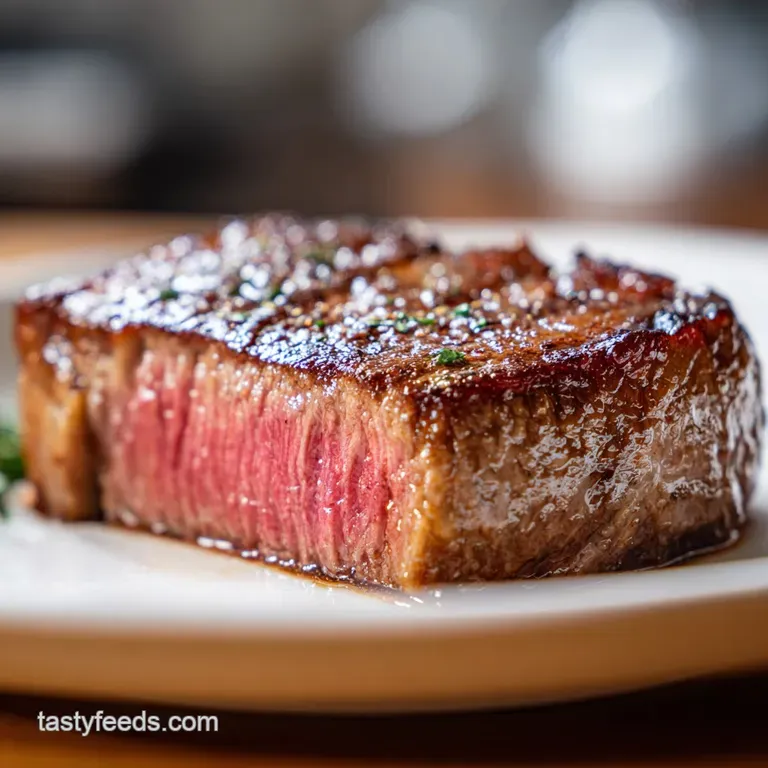
- Dry the meat. Pat the steaks with paper towels until the surface is completely bone dry. Note: Surface moisture causes steaming instead of searing.
- Season heavily. Coat all sides of the beef with the kosher salt and cracked pepper.
- Heat the pan. Place your skillet over high heat until it is ripping hot.
- Add the oil. Pour in the grapeseed oil; it should shimmer and flow like water immediately.
- Sear the first side. Place steaks in the pan. Cook 3 minutes until a deep brown crust forms.
- Flip the meat. Use tongs to turn the steaks over. Listen for a continuous, aggressive sizzle.
- Add the aromatics. Drop in the butter, smashed garlic, and herb sprigs. Note: The butter will foam and turn slightly brown.
- Baste the beef. Tilt the pan and spoon the foaming butter over the meat repeatedly for 2 minutes.
- Check for doneness. Remove from heat when the thermometer reads 135°F for medium rare.
- Rest the steak. Transfer to a board and wait 8 minutes until the juices settle.
Identifying Common Pitfalls and Applying Quick Kitchen Fixes
One of the biggest mistakes I see is "pan crowding." If you put two massive steaks in a small pan, the temperature drops instantly, and the meat starts to grey and boil in its own juices. If your pan isn't big enough, just cook them one at a time.
It adds five minutes to your total time, but the difference in texture is massive.
To Fix a Grey Steamed Surface
If the meat looks grey after two minutes, your pan wasn't hot enough or the meat was too wet. Stop, pull the meat out, wipe the pan, and let it get hot enough to smoke slightly before trying again.
To Prevent Burnt Garlic Bitterness
Garlic burns quickly at high temperatures. If you see the cloves turning dark black, fish them out with your spoon. They’ve already given their flavor to the butter; leaving them in will only add a bitter, acrid taste to the finish.
| Problem | Root Cause | Solution |
|---|---|---|
| Uneven crust | Steak is curled | Press down with a weight or spatula |
| Bitter flavor | Burnt pepper or garlic | Add pepper after searing if using very high heat |
| No pink inside | Cooked too long | Use a thermometer; pull 5°F before target |
- ✓ Pat the meat completely dry before it touches the pan.
- ✓ Ensure the oil is shimmering and slightly smoking.
- ✓ Don't move the steak for the first 2 minutes of the sear.
- ✓ Always use unsalted butter to prevent over seasoning.
- ✓ Let the meat rest for at least half the time it spent cooking.
Modifying the Dish for Various Dietary and Nutritional Requirements
If you are looking for a dairy-free version, you can swap the butter for a high-quality vegan butter or simply use more avocado oil. While you won't get the same nutty "browning" effect of the milk solids, the garlic and herbs will still infuse the oil beautifully.
For a keto friendly meal, this is already a home run pair it with buttered greens or roasted radishes.
| Original Ingredient | Substitute | Why It Works |
|---|---|---|
| Unsalted Butter | Ghee (Clarified Butter) | Higher smoke point, dairy-free, but still has that buttery flavor. |
| Ribeye | Portobello Mushrooms | Thick mushrooms sear similarly for a vegetarian alternative. |
| Garlic Cloves | Garlic infused Oil | Provides the flavor profile without the risk of burning whole cloves. |
If you find yourself needing to scale this down for one person, simply use a smaller pan to maintain heat density. If you're scaling up for a crowd, I recommend the "sear and oven" method: sear all the steaks in batches, then place them all on a wire rack in a 300°F oven until they hit your desired internal temperature.
This prevents the first steak from getting cold while you finish the rest.
Smart Strategies for Storing and Reheating Your Beef Leftovers
Store your leftover Pan Seared Steak in an airtight container in the fridge for up to 3 days. To keep it from turning into shoe leather when you reheat it, avoid the microwave at all costs.
Instead, place it in a 250°F oven until it's just warmed through, or slice it thin and flash fry it for 30 seconds in a hot pan for steak tacos or salad toppers.
Chef's Tip: Save the leftover fat and juices from the pan! Strain them into a small jar and keep them in the fridge. This "liquid gold" is incredible for frying eggs the next morning or sautéing onions for a future meal.
Zero waste is easy with steak. If you have the bone in version, throw the bones into a freezer bag. Once you have three or four, simmer them with some veggie scraps to make a rich beef stock. Even the herb stems can be saved for flavoring soups or stews later in the week.
Visual Plating Techniques for a Professional Dinner Presentation
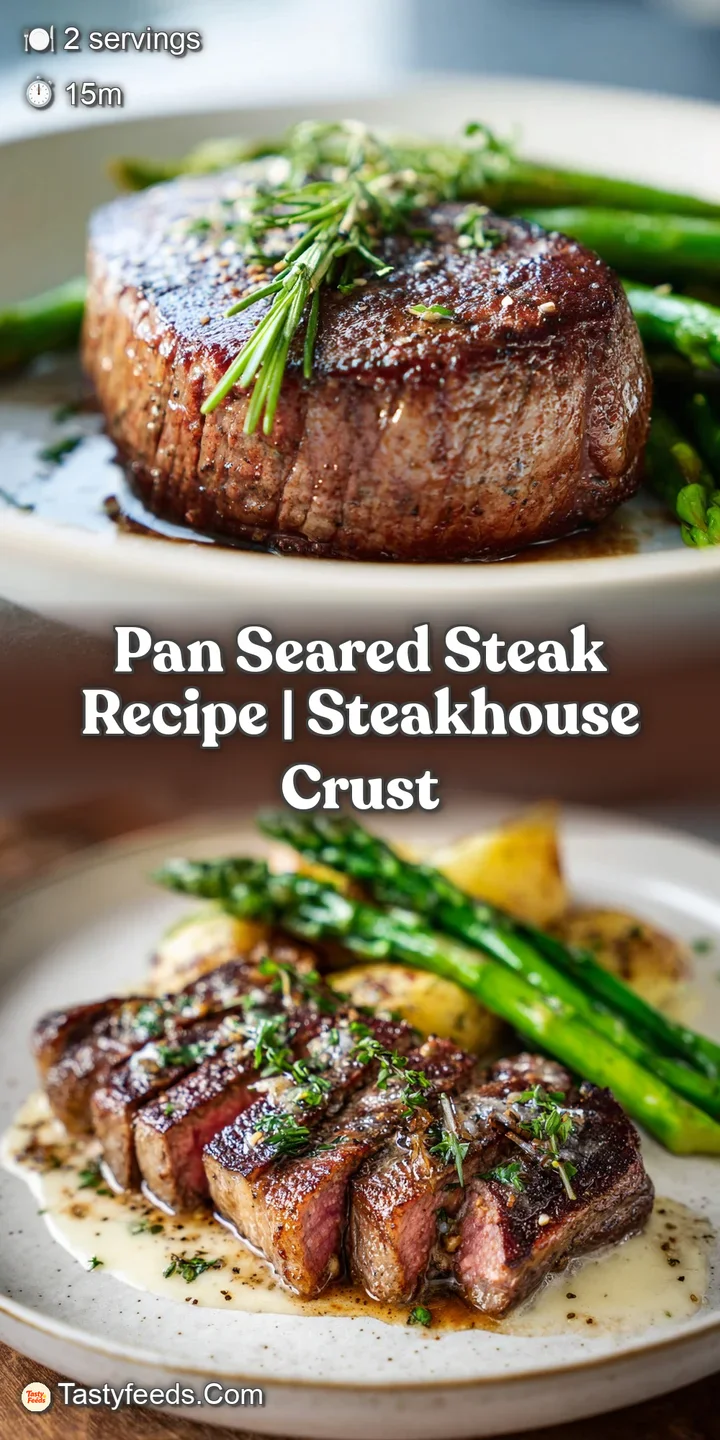
The way you slice the meat changes the entire experience. Always slice against the grain the direction the muscle fibers run to ensure every piece is tender. For a restaurant look, fan the slices out on a warm plate and pour the remaining butter from the resting board right over the top.
This "board sauce" is packed with concentrated flavor.
Garnish with a fresh sprig of the herb you used in the pan to signal the flavor profile to your guests. If you want to go the extra mile, a sprinkle of flaky sea salt (like Maldon) right before serving adds a delicate crunch that contrasts beautifully with the velvety interior of the meat.
It’s a simple touch that makes the meal feel intentional and high end.
Critical High in Sodium
1735 mg 1735 mg of sodium per serving (75% 75% of daily value)
The American Heart Association recommends limiting sodium intake to about 2,300mg per day for overall cardiovascular health.
Tips to Reduce Sodium in Your Steak Recipe
-
Reduce Kosher Salt-25%
The primary source of sodium is the kosher salt. Try reducing the amount by half, from 1.5 tsp to 0.75 tsp, and taste as you cook. You can always add more later, but you can't take it away!
-
Use Unsalted Butter Judiciously-5%
While unsalted butter is already used, be mindful of the amount. Using only 1-2 tablespoons instead of 3 will slightly reduce the overall sodium content without significantly impacting flavor.
-
Skip Brining-15%
Avoid brining the steak before cooking, as this process adds a significant amount of sodium. If you typically brine, skip it this time to significantly reduce sodium.
-
Enhance Flavor with Herbs and Spices
Experiment with a variety of sodium free herbs and spices like smoked paprika, garlic powder (check label for sodium), onion powder, or red pepper flakes to enhance the flavor of your steak without adding sodium.
-
Fresh Garlic Power
Maximize the use of fresh garlic and thyme/rosemary. Sautéing them gently in the butter infuses the steak with rich flavor, helping to compensate for less salt.
Recipe FAQs
How to perfectly pan sear steak?
Dry the surface completely, heat the pan until ripping hot, and sear undisturbed for 3 minutes per side. Use a high smoke point oil like grapeseed and finish by basting with foaming butter, garlic, and herbs.
What is the 3-3-3 steak rule?
The 3-3-3 rule refers to searing the first side for 3 minutes, the second side for 3 minutes, and then resting for 3 minutes minimum before slicing. This is a simplified guideline; always use a thermometer for accuracy on thicker cuts.
How long does it take to cook pan-seared steak?
Active cooking time is about 10 minutes for a standard 1.5 inch steak. Total time, including resting, is approximately 15 minutes.
Do you sear a steak in butter or oil?
Start with oil, finish with butter. Use a high smoke point oil like grapeseed to achieve the necessary searing temperature without burning the fats.
Should I add salt right before searing or much earlier?
Salt 45 minutes early or immediately before searing. Salting 5 to 30 minutes out can draw moisture to the surface, which prevents the development of a proper Maillard crust.
Is it true I must use a cast iron skillet for the best results?
No, but it is strongly recommended due to its superior heat retention. A heavy stainless steel pan will work if you ensure the pan temperature doesn't drop dramatically when the cold meat is added.
What internal temperature should I pull the steak off the heat for medium rare?
Pull the steak when the internal temperature reaches 135°F. The carryover cooking effect will raise the temperature another 5 degrees to a perfect medium rare while the meat rests.
Pan Seared Steak Method
Ingredients:
Instructions:
Nutrition Facts:
| Calories | 891 kcal |
|---|---|
| Protein | 62.4 g |
| Fat | 69.6 g |
| Carbs | 0.8 g |
| Fiber | 0.2 g |
| Sugar | 0.1 g |
| Sodium | 1735 mg |
