Marry Me Chicken Pasta Recipe: Silky & Savory
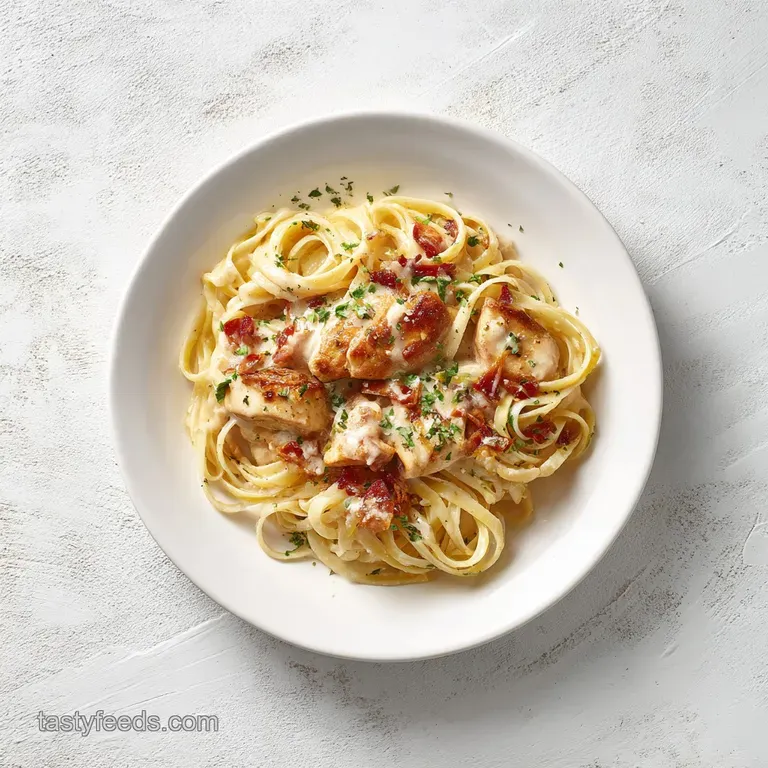
- Time: Active 15 minutes, Passive 15 minutes, Total 30 minutes
- Flavor/Texture Hook: Silky, sun drenched, and savory
- Perfect for: High stakes date nights or a survival mode weeknight win
- Mastering This Marry Me Chicken Pasta Recipe
- Performance Metrics and Planning
- Critical Elements for Deep Flavor
- Tools for a Smooth Workflow
- Executing the Perfect Flavor Fusion
- Fixing Common Kitchen Mistakes
- Customizing Your Flavor Profile
- Myths Regarding This Dish
- Storage and Waste Management
- The Best Side Dish Pairings
- High in Sodium
- Recipe FAQs
- 📝 Recipe Card
Mastering This Marry Me Chicken Pasta Recipe
The first time I heard the name of this dish, I rolled my eyes. Honestly, I thought it was just another internet trend that would taste like bland cream and salt. But then I hit the kitchen, dropped a pound of chicken into a ripping hot pan, and the smell of those sun dried tomatoes hitting the garlic changed everything.
The sizzle was sharp, the aroma was heady with oregano, and when that white wine hit the pan to deglaze the browned bits, I knew I was wrong. It’s not just a gimmick; it’s a masterclass in building layers of flavor in under half an hour.
You’ve probably seen a dozen versions of this, but most of them end up with a broken sauce or soggy pasta. I’ve made those mistakes so you don’t have to. I remember one Tuesday night where I rushed the cream and the whole thing curdled into a grainy mess not exactly proposal material.
Now, I use a specific sequence that ensures the sauce stays velvety and the chicken stays juicy. We're going to use the oil right out of the tomato jar because that's where the real flavor lives. Let's get into the mechanics of why this actually works.
The Maillard Reaction: Searing the chicken strips at high heat creates a complex crust that provides the savory backbone for the entire sauce.
Acidic Brightness: The dry white wine doesn't just add flavor; it cuts through the heavy fat of the cream and cheese to keep the dish from feeling sluggish.
Starch Integration: Using reserved pasta water is non negotiable because the starch acts as a bridge between the watery wine and the fatty cream, preventing separation.
Carryover Cooking: We pull the chicken early and let it finish in the residual heat of the sauce, which keeps the white meat from turning into dry rubber.
| Thickness | Internal Temp | Rest Time | Visual Cue |
|---|---|---|---|
| 1 inch strips | 160°F (in pan) | 3 mins | Opaque center, golden edges |
| 1/2 inch cubes | 160°F (in pan) | 2 mins | Firm touch, no pink |
| Cutlets | 165°F (final) | 5 mins | Juices run clear |
The table above is your survival guide for the protein. Since we are slicing 1.5 lbs of chicken into 1 inch strips, they cook incredibly fast. You want to aim for that 160°F mark in the pan because the temperature will climb that last five degrees while the chicken sits on a plate waiting for the sauce to finish.
If you wait until it’s 165°F in the pan, it’ll be overcooked by the time you eat it.
Performance Metrics and Planning
| Component | Science Role | Pro Secret |
|---|---|---|
| Sun dried Tomato Oil | Flavor Carrier | Use it for the initial sear to infuse the chicken with concentrated tomato essence. |
| Parmigiano Reggiano | Emulsifier/Salt | Grate it fresh; pre shredded cheese is coated in starch that prevents it from melting smoothly. |
| Heavy Cream | Fat Base | Bring to room temperature before adding to prevent the sauce from "shocking" and breaking. |
| Pasta Water | Liquid Gold | The salt and starch in this water are the only things that will truly bind the sauce to the rigatoni. |
When you're looking at your ingredients, remember that quality matters more than quantity here. I always tell people to look for sun dried tomatoes packed in oil, not the dry ones in a bag. Those dry ones are like chewing on leather, whereas the oil packed ones are tender and come with that flavored oil we need. It's the same logic I use for my Bang Bang Chicken Recipe where the texture of the coating defines the whole experience.
Critical Elements for Deep Flavor
- 1.5 lbs chicken breasts: Sliced into 1 inch strips for maximum surface area. Why this? More surface area means more Maillard reaction and more flavor per bite.
- Substitute: Chicken thighs for more moisture, though they take 4 mins longer to cook.
- 12 oz rigatoni or penne rigate: The ridges are essential for "grabbing" the cream sauce. Why this? Smooth pasta lets the sauce slide off; ridges act like tiny flavor shelves.
- Substitute: Cavatappi or even fusilli work well for sauce retention.
- 0.5 cup sun dried tomatoes in oil: Drained and chopped finely.
- Substitute: Roasted red peppers if you want a sweeter, less tangy profile.
- 0.5 cup dry white wine: Think Pinot Grigio or Sauvignon Blanc. Why this? The acidity balances the 1 cup of heavy cream perfectly.
- Substitute: Chicken stock with a squeeze of lemon juice for an alcohol free version.
- 0.5 cup freshly grated Parmigiano Reggiano: The real stuff, not the green shaker bottle.
- Substitute: Pecorino Romano if you want a sharper, saltier punch.
- 3 cloves garlic: Thinly sliced to avoid burning.
- Spices: 1 tsp kosher salt, 0.5 tsp black pepper, 1 tsp dried oregano, 0.5 tsp red pepper flakes.
- 2 tbsp oil from the tomato jar: This is your secret weapon for the sear.
Chef's Tip: Freeze your block of Parmesan for 10 minutes before grating. It makes the cheese firmer and prevents it from clumping or melting against the heat of your hands, giving you those perfect, airy wisps that melt instantly in the sauce.
Tools for a Smooth Workflow
To pull off this marry me chicken pasta recipe without breaking a sweat, you need a large stainless steel or cast iron skillet. Non stick won't give you the "fond" those brown bits on the bottom that we need for the sauce.
You'll also need a large pot for the 12 oz of pasta and a microplane for that cheese. If you have a meat thermometer, keep it close. It's the difference between juicy chicken and "I need a glass of water to swallow this" chicken.
Start by boiling your water. A common mistake is waiting until the chicken is done to start the pasta. In a survival style kitchen, we multitask. By the time the water hits a rolling boil and you drop the rigatoni, you should be halfway through searing your chicken.
This timing ensures the pasta is "al dente" exactly when the sauce is ready to receive it.
Executing the Perfect Flavor Fusion
- Prep the protein. Season the 1.5 lbs of chicken strips with the salt and pepper, then toss them in the 2 tbsp of flour. Note: The flour helps create a golden crust and slightly thickens the sauce later.
- Sear the chicken. Heat the 2 tbsp of sun dried tomato oil in your skillet over medium high heat. Add chicken in a single layer. Cook for 3-4 minutes per side until golden and shatter crisp on the edges.
- Rest the meat. Remove the chicken from the pan and set it on a plate. It won't be 100% cooked through yet, but that's the plan.
- Sauté aromatics. Lower the heat to medium. Add the 3 sliced garlic cloves, chopped sun dried tomatoes, oregano, and red pepper flakes. Cook for 1 minute until the garlic is fragrant and the tomatoes sizzle.
- Deglaze the pan. Pour in the 0.5 cup of white wine. Use a wooden spoon to scrape every single brown bit off the bottom of the skillet. Note: Those bits are concentrated flavor molecules.
- Simmer and reduce. Let the wine bubble for 2-3 minutes until the liquid is reduced by half and the sharp smell of alcohol vanishes.
- Build the emulsion. Stir in the 1 cup of heavy cream. Bring to a gentle simmer, but do not let it reach a rolling boil, or the fat might separate.
- Incorporate the cheese. Whisk in the 0.5 cup of Parmigiano Reggiano. Whisk constantly until the sauce is velvety and thick enough to coat the back of a spoon.
- Combine. Add the cooked rigatoni and the chicken back into the skillet. Pour in 0.25 cup of the reserved pasta water.
- The final toss. Toss everything together for 2 minutes until the sauce is glossy and the chicken is fully cooked through. Add more pasta water if the sauce looks too thick.
If you find yourself wanting to try a different spin on this flavor profile, I often suggest my Marry Me Chicken recipe which uses ramen noodles for a faster, fusion style lunch. It uses the same base logic but cuts the cook time down even further for those days when you're truly in survival mode.
Fixing Common Kitchen Mistakes
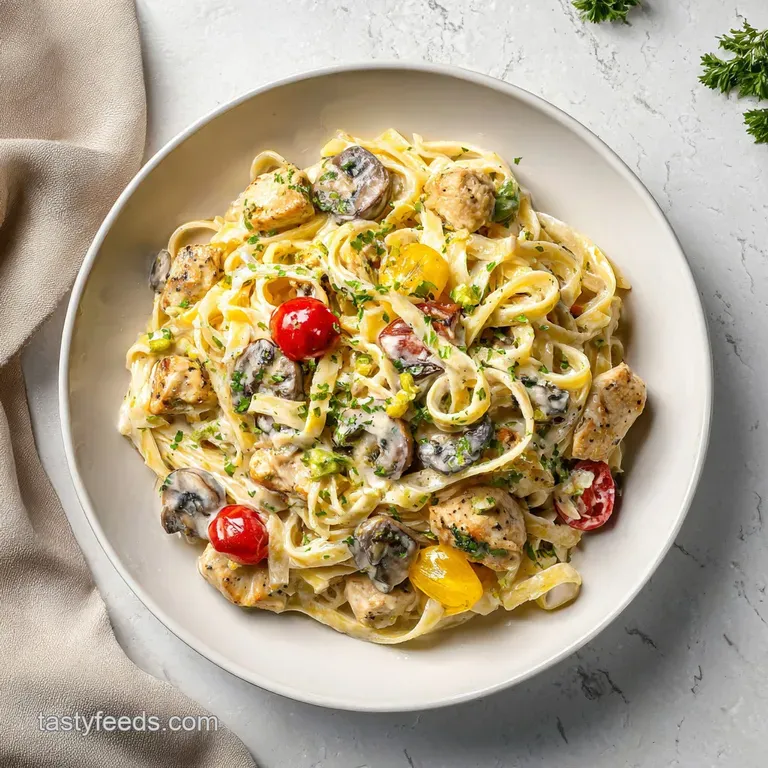
Why Your Sauce Is Breaking
If you see oil separating from the cream, your heat was likely too high. High heat causes the proteins in the cream to tighten and squeeze out the fat. To fix this, immediately remove the pan from the heat and whisk in a tablespoon of room temperature pasta water.
The starch will help pull the fats back into the liquid.
Why Your Chicken Is Tough
Chicken breast is unforgiving. If it's tough, you either didn't slice it against the grain or you left it in the pan too long during the initial sear. Next time, pull it when it still has a hint of pink in the very center; it will finish perfectly in the hot cream sauce during the final assembly.
| Problem | Root Cause | Solution |
|---|---|---|
| Grainy Sauce | Pre shredded cheese used | Use a block of Parmigiano Reggiano and grate it yourself. |
| Bland Flavor | Not enough salt in pasta water | Ensure your pasta water tastes like the sea; it's the only chance to season the pasta itself. |
| Dry Pasta | Pasta absorbed all the sauce | Add reserved pasta water 1 tbsp at a time until the glossy texture returns. |
Common Mistakes Checklist ✓ Pat the chicken completely dry before dredging in flour to ensure a crisp sear. ✓ Never discard all the pasta water; that starch is essential for the sauce's structure.
✓ Avoid using "cooking wine" from the grocery store; use a wine you would actually drink. ✓ Don't overcrowd the skillet during the sear; work in two batches if necessary. ✓ Ensure the heavy cream is at room temperature to prevent curdling.
Customizing Your Flavor Profile
If you're cooking for a smaller crew, cutting this recipe in half is easy. For the chicken, just use one large breast. When it comes to the egg in the flour dredge (if you choose to use one for extra crust), beat it in a bowl and use exactly half.
Reduce the cook time for the sauce by about 20% since a smaller volume heats up much faster.
Scaling up for a dinner party? Double everything, but don't double the salt or red pepper flakes immediately. Start with 1.5x the amount and taste as you go. Liquids like the white wine should also be reduced by about 10% because larger volumes evaporate slower.
You'll definitely want to sear the chicken in batches of three to maintain the pan temperature.
| Stovetop Method | Oven Baked Finish |
|---|---|
| Faster (30 mins total) | Slower (45 mins total) |
| More control over sauce texture | Better cheese crust/browning on top |
| Best for immediate eating | Best for making ahead/potlucks |
If you want a deeper flavor, add a teaspoon of anchovy paste when you sauté the garlic. Trust me, it won't taste like fish; it just adds a massive hit of "umami" that makes people wonder why your version tastes better than the restaurant's.
If you want more greens, tossing in two handfuls of baby spinach at the very end is the move. The heat of the pasta will wilt it in seconds.
Myths Regarding This Dish
One big myth is that the flour on the chicken is just for "crunch." In reality, that flour plays a dual role: it creates the crust, but it also releases starch into the pan. When you add the wine and cream, that starch acts as a stabilizer, making it much harder for your sauce to break.
Another misconception is that you need expensive wine. While you shouldn't use "cooking wine" (which is mostly salt), a $10 bottle of dry Pinot Grigio is perfect. The heat cooks off the subtle notes of a $50 bottle anyway, so save the fancy stuff for the glass you're drinking while you cook.
Storage and Waste Management
You can store leftovers in an airtight container in the fridge for up to 3 days. However, cream based sauces tend to thicken and get "tight" when cold. When reheating, don't just microwave it on high. Put it in a pan with a splash of milk or water over low heat, stirring constantly to bring the emulsion back to life.
I don't recommend freezing this dish; the cream and cheese often separate into a grainy texture once thawed and reheated.
To practice zero waste cooking, save the leftover oil in your sun dried tomato jar. It's liquid gold for making salad dressings or sautéing vegetables for your next meal. If you have leftover parmesan rinds, throw them into a freezer bag.
They are the ultimate flavor booster for soups and stews just drop the rind in while the soup simmers and fish it out before serving.
The Best Side Dish Pairings
Because this marry me chicken pasta recipe is so rich and velvety, you need something acidic or crunchy to balance the plate. A simple arugula salad with a lemon vinaigrette is my go to. The peppery bite of the greens cuts right through the heavy cream.
If you're looking for something more substantial, a side of roasted broccolini with a heavy squeeze of lemon works wonders.
For those who want a full Italian inspired spread, this pairs beautifully with a Lemon Garlic Butter recipe for breadsticks or roasted vegetables. The citrus notes in the garlic butter echo the acidity of the white wine in the pasta sauce, creating a cohesive flavor loop. If you have people at the table who aren't fans of pasta, you can even serve the chicken and sauce over a bed of creamy polenta or mashed potatoes for a different texture.
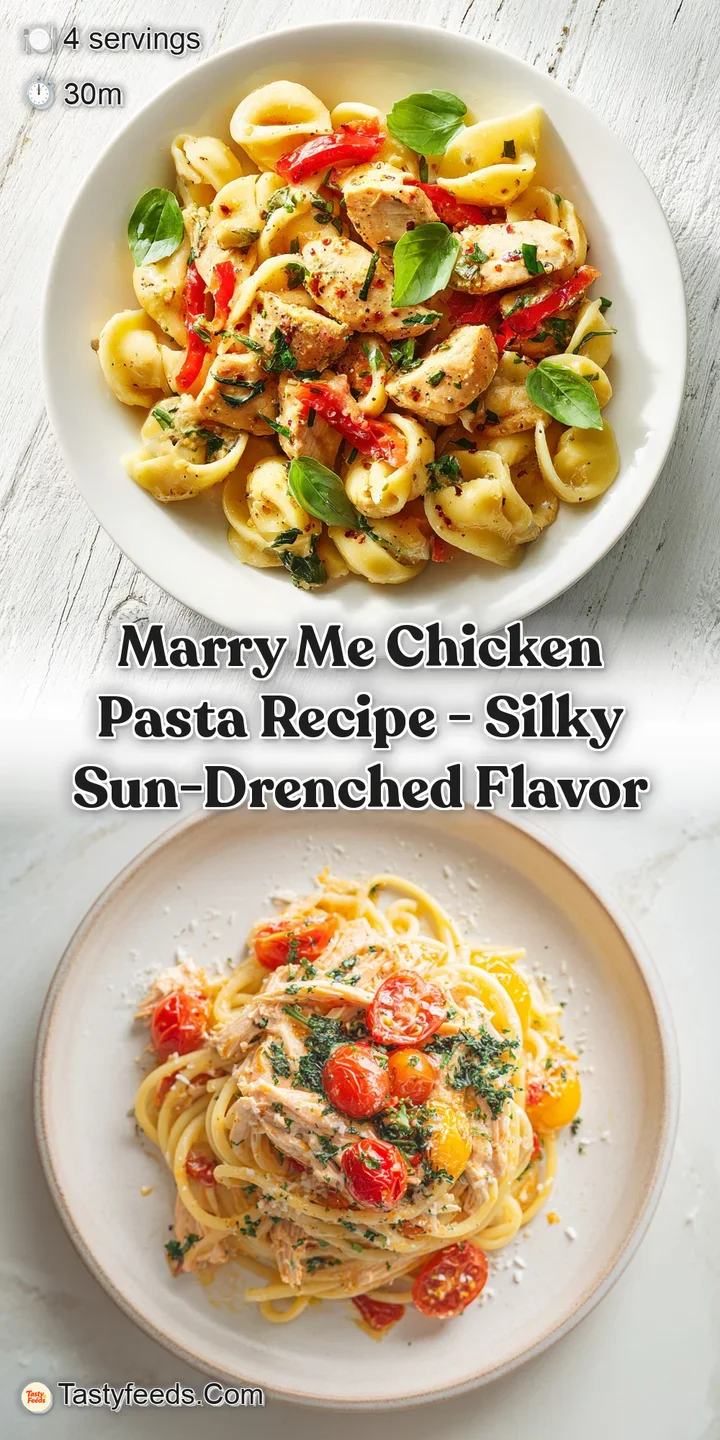
High in Sodium
895 mg mg of sodium per serving (39% % of daily value)
The American Heart Association recommends limiting sodium intake to 2,300mg per day for optimal heart health.
Sodium Reduction Tips for Your Recipe
-
Reduce Parmesan-15%
Parmigiano Reggiano is a significant source of sodium. Reduce the amount used by half, from 0.5 cup to 0.25 cup. Alternatively, use a lower sodium cheese or nutritional yeast.
-
Rinse Sun-Dried Tomatoes-10%
Sun-dried tomatoes, even when drained, can retain sodium. Rinse them thoroughly under water before chopping and adding to the dish to remove excess sodium. This step can remove a significant amount of sodium.
-
Reduce Added Salt-25%
Reducing the amount of kosher salt added can significantly lower the overall sodium content. Try reducing from 1 tsp to 0.5 tsp. Taste and adjust after cooking.
-
No Salt Added Pasta Water-5%
When cooking pasta, avoid adding salt to the boiling water. Using unsalted pasta water will reduce overall sodium in the dish when it is added to the sauce. Salt the sauce to taste instead.
-
Boost Flavor with Herbs
Experiment with fresh herbs like basil, parsley, or chives to enhance flavor and reduce the need for salt. Lemon zest or a splash of vinegar can also brighten the dish.
Recipe FAQs
What is the best pasta to use for Marry Me Chicken?
Rigatoni or Penne Rigate. The ridges on these shapes, called rigate, are crucial for grabbing and holding the thick, velvety cream sauce.
What are the ingredients in Marry Me Chicken pasta?
Chicken, heavy cream, dry white wine, garlic, sun dried tomatoes in oil, Parmesan cheese, and dried oregano. The sun dried tomato oil is essential for building the initial flavor base.
What kind of sauce is on Marry Me Chicken?
A rich, savory, and slightly acidic cream sauce. It is built using deglazed pan drippings, white wine reduction, and heavy cream, emulsified with fresh Parmesan.
Can you eat Marry Me Chicken with pasta?
Yes, it is traditionally served with pasta. The pasta binds the sauce, which is created by reducing wine and incorporating starchy pasta water for glossiness.
Why is my cream sauce breaking or looking grainy?
The heat was too high when adding the cheese or cream. High heat forces the fat out of the emulsion; remove the pan from the heat and whisk in a tablespoon of cool, reserved pasta water to help stabilize it.
How do I ensure the chicken stays juicy while searing?
Sear the chicken strips until only about 90% cooked and finish them in the sauce. If you mastered the temperature checks in searing for our Honey Butter Chicken recipe, apply that same principle here to avoid overshooting the internal temperature.
What can I substitute for the dry white wine?
Use chicken stock mixed with a squeeze of fresh lemon juice. The wine primarily provides acidity to cut the heavy cream, so the substitute must mimic that bright, tart quality.
Marry Me Chicken Pasta
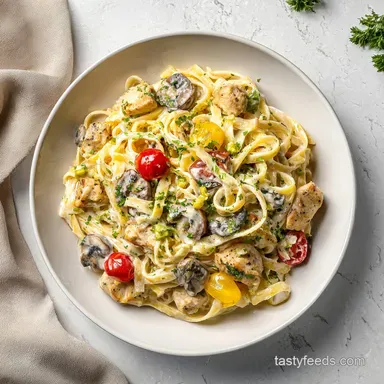
Ingredients:
Instructions:
Nutrition Facts:
| Calories | 976 kcal |
|---|---|
| Protein | 70 g |
| Fat | 42 g |
| Carbs | 74 g |
| Fiber | 4 g |
| Sugar | 6 g |
| Sodium | 895 mg |
