Maple Pecan Shortbread Cookies Recipe
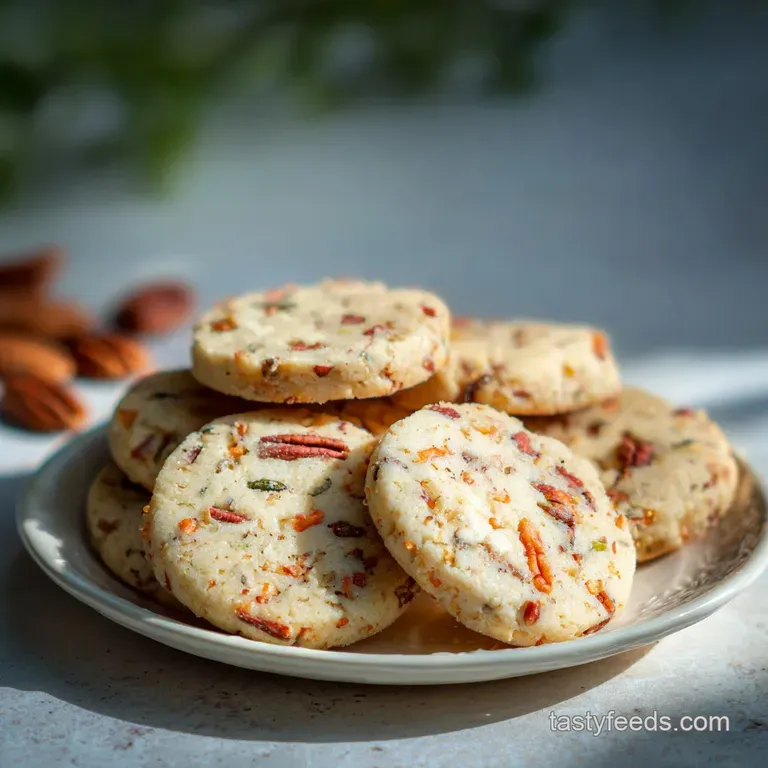
- Time: Active 20 mins, Passive 1 hours 15 mins, Total 1 hours 35 mins
- Flavor/Texture Hook: Buttery, nutty, and crumbly with a distinct maple finish.
- Perfect for: Holiday gifting, afternoon tea, or a cozy weekend treat.
- Perfecting These Maple Pecan Shortbread Cookies
- The Architecture of the Snap
- Critical Baking Specs and Timing
- Essential Components for Flavor
- Tools for a Flaky Crumb
- From Prep to Plate
- Fixing Common Baking Errors
- Flavor Twists and Adaptations
- Keeping Your Treats Fresh
- Pairing Your Sweet Biscuits
- Maple Pecan Shortbread Cookies FAQs
- 📝 Recipe Card
Perfecting These Maple Pecan Shortbread Cookies
The first time I pulled a tray of these from the oven, my entire kitchen smelled like a sugar shack in the middle of a Vermont woods. There’s something deeply nostalgic about the scent of maple syrup hitting hot butter; it’s a warmth that feels like a hug for your senses.
I remember hovering by the cooling rack, unable to wait the full ten minutes, and the way that first cookie shattered into buttery shards against my tongue. It wasn't just sweet; it was complex, earthy, and utterly satisfying.
We've all had those shortbreads that feel like biting into a piece of chalk, or worse, a greasy mess that loses its shape. I spent several weekends experimenting with ratios until I found the sweet spot.
The trick turned out to be the combination of maple sugar for stability and a touch of syrup for that signature aroma. These aren't just cookies; they're a love language passed from my cooling rack to your cookie tin. We are looking for a texture that is velvety yet firm enough to hold those beautiful, chopped pecans.
If you find yourself with leftover pecans, they go beautifully in my Famous Cookie Recipe. Making these is about creating memories, and trust me, your family will remember the day the house smelled like a maple forest. Let's look at why this specific method works so well compared to a standard sugar cookie.
The Architecture of the Snap
Invert Sugar Stability: The maple syrup acts as an invert sugar, which prevents large sugar crystals from forming and ensures a fine, tight crumb.
Starch Interference: Adding cornstarch prevents the flour proteins from knitting together too tightly, giving the cookie a "shatter" rather than a "crunch."
Lipid Aeration: Beating the cool room temperature butter with sugar creates tiny air pockets that expand in the heat, resulting in a light, flaky biscuit.
| Method | Time | Texture | Best For |
|---|---|---|---|
| Stovetop Toasting | 5 mins | Crisp, uneven | Quick batches, intense aroma |
| Oven Toasting | 10 mins | Deeply nutty, even | Large batches, consistent color |
| Raw Pecans | 0 mins | Soft, waxy | Not recommended for this recipe |
Toasting your pecans is non negotiable here. When you heat them on the stovetop, you’ll smell a sudden, intense woodiness that signals the oils have been released. This simple step ensures the nuts don't get lost in the buttery dough.
Critical Baking Specs and Timing
This recipe requires patience, especially during the chilling phase. Shortbread is a high fat dough, and if that fat isn't cold when it hits the oven, your cookies will turn into a single, giant puddle on the baking sheet.
1. The Cornstarch to Flour Ratio
Using 2 cups of flour against 1/4 cup of cornstarch is the secret to that professional bakery texture. The cornstarch effectively "softens" the all purpose flour. It creates a velvety mouthfeel that mimics expensive cake flour without the hassle of a special trip to the store.
2. The Maillard Reaction Boost
While we bake these at a lower temperature of 325°F (160°C), the maple sugar and syrup contain enough natural sugars to encourage the Maillard reaction. This gives the edges a golden brown hue and a slightly toasted, caramelized flavor that pairs perfectly with the pecans.
3. Temperature Controlled Emulsion
Your butter needs to be "cool room temperature." If it's too soft (oily), it won't hold air. If it's too cold, it will clump. It should yield to a firm press of your thumb but still feel chilly to the touch. This ensures a stable emulsion when you add the maple syrup.
| Component | Science Role | Pro Secret |
|---|---|---|
| Grass fed Butter | Fat & Flavor | Higher fat content creates a more flaky, luxurious crumb. |
| Cornstarch | Protein Buffer | Breaks up gluten chains for a delicate, sandy texture. |
| Maple Syrup | Hygroscopic Agent | Keeps the cookie from being too dry while adding floral notes. |
For a deeper, nuttier flavor profile, you might enjoy experimenting with techniques from my Brown Butter Chocolate recipe. Using quality ingredients like grass fed butter really makes the maple notes sing.
Essential Components for Flavor
Every ingredient in this recipe serves a purpose. Don't be tempted to swap the vanilla bean paste for cheap extract; those tiny black specks add a visual charm and a potent aroma that synthetic versions just can't match.
- Butter (1 cup): Must be unsalted so you can control the seasoning perfectly. Why this? Provides the base structure and that iconic shortbread richness.
- Maple Sugar (1/3 cup): Adds sweetness without adding moisture. Why this? Keeps the dough stable and prevents excessive spreading.
- Maple Syrup (1/4 cup): Use Grade A Dark for the most intense flavor. Why this? It carries the aromatic compounds that define the cookie.
- Vanilla Bean Paste (1 tsp): Provides floral depth. Why this? The paste offers more concentrated flavor than standard liquid extract.
- Sea Salt (1/2 tsp): Fine grain is best. Why this? Balances the sugar and highlights the nuttiness of the pecans.
- All Purpose Flour (2 cups): Use a scale for 250g. Why this? Provides the necessary bulk and structure.
- Cornstarch (1/4 cup): The "tenderizer." Why this? Ensures the cookies have a delicate snap rather than a hard crunch.
- Toasted Pecans (1 cup): Chopped finely. Why this? Distributes flavor evenly so every bite has a nutty crunch.
| Original Ingredient | Substitute | Why It Works |
|---|---|---|
| Maple Sugar | Brown Sugar | Adds moisture. Note: Cookies will be slightly softer and less "snappy." |
| Vanilla Bean Paste | Vanilla Extract | Same flavor profile, but you lose the visual bean flecks. |
| Grass fed Butter | Standard Butter | Works fine, but the flavor will be less "creamy" and rich. |
Using the right flour measurement is the difference between a cookie and a brick. Always spoon the flour into your measuring cup and level it off with a knife, or better yet, use a digital scale for exactly 250g.
Tools for a Flaky Crumb
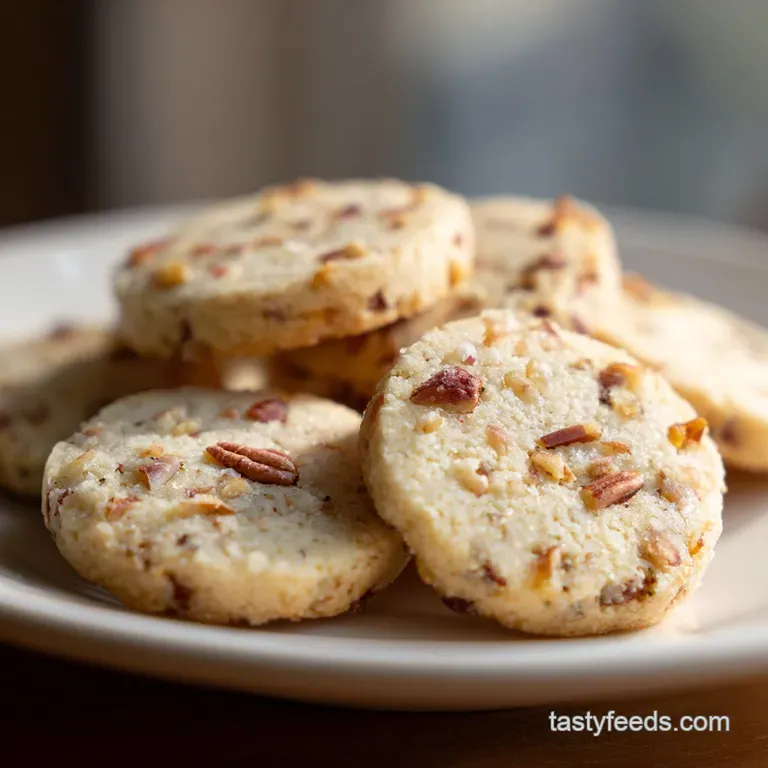
You don't need a professional kitchen, but a few specific tools will make your life much easier. I always recommend a stand mixer for shortbread because it handles the stiff dough without breaking a sweat, though a hand mixer works if you're patient.
- Stand Mixer: Fitted with the paddle attachment to cream the butter without whipping in too much air.
- Fine Mesh Sieve: For sifting the flour and cornstarch to remove any lumps.
- Silicone Baking Mat: Or parchment paper to prevent the bottoms from browning too quickly.
- Rolling Pin: For an even 1/2 inch thickness.
- Plastic Wrap: Essential for the chilling phase.
Chef's Tip: Put your mixing bowl and paddle in the fridge for 10 minutes before you start. Keeping everything cool prevents the butter from melting prematurely while you're mixing.
From Prep to Plate
This process is all about the senses. Pay attention to how the dough changes from a sandy mess to a cohesive, velvety ball. The smell will evolve from simple butter to a complex, toasted bouquet.
- Toast pecans. Heat a dry pan over medium heat and add the pecans. Toss for 5 minutes until they smell deeply nutty and look slightly shiny. Let them cool completely before chopping.
- Cream butter. In your stand mixer, beat the cool room temperature butter and maple sugar together. Wait until it looks pale and creamy, which usually takes about 3 minutes.
- Incorporate maple. Pour in the maple syrup and vanilla bean paste. Mix on low until the liquid is fully absorbed into the butter. Note: It might look like it's curdling at first; just keep mixing.
- Sift drys. In a separate bowl, whisk together the flour, cornstarch, and sea salt. Sift this mixture directly into the butter. Look for a fine, cloud like powder.
- Fold nuts. Add the finely chopped pecans to the bowl. Use a spatula to fold them in until no white streaks of flour remain.
- Shape dough. Turn the dough out onto a piece of plastic wrap. Form it into a disc or a log. Ensure there are no large air pockets.
- Chill thoroughly. Refrigerate for at least 1 hour. The dough should feel firm and cold. This is vital for preventing spread.
- Preheat oven. Set your oven to 325°F (160°C). Line two baking sheets with parchment paper. Ensure the oven is fully up to temp before the cookies go in.
- Cut and bake. Roll the dough to 1/2 inch thickness and cut into circles or squares. Bake for 15 minutes until the edges are just barely golden.
- Cool down. Let them sit on the pan for 5 minutes. They will feel soft but will firm up as they cool. Transfer to a wire rack.
Fixing Common Baking Errors
Even the most seasoned bakers run into trouble sometimes. The most common issue with shortbread is the texture it’s either too hard or it spreads into a pancake. If your cookies look like puddles, your butter was likely too warm or you didn't chill the dough long enough.
1. The "Spread" Struggle
If your cookies lose their shape, the fat melted before the flour structure set. This often happens in warm kitchens. Always chill your cut shapes for another 10 minutes in the freezer right before they go into the oven. This "cold dough, hot oven" contrast is the key to sharp edges.
2. Flour Measurement Error
If the cookies are dry and crumbly to the point of falling apart, you likely used too much flour. This is why I stress the "spoon and level" method. If the dough won't come together in the bowl, add a teaspoon of maple syrup to help it bind, but don't overwork it!
| Problem | Root Cause | Solution |
|---|---|---|
| Gritty Texture | Sugar didn't dissolve | Cream butter and sugar for a full 3-5 minutes. |
| Too Brown | Oven temp too high | Use an oven thermometer; reduce heat by 25°F. |
| Cookies Spreading | Warm dough | Freeze the cut shapes for 10 minutes before baking. |
Common Mistakes Checklist: ✓ Always toast your pecans; raw nuts provide zero flavor impact here. ✓ Don't skip the sifting step; lumps of cornstarch will create white spots. ✓ Avoid over creaming; we want a biscuit, not a fluffy cake.
✓ Check your oven temperature; 325°F is the "sweet spot" for shortbread. ✓ Let the cookies cool completely; the flavor develops as the fats solidify.
Flavor Twists and Adaptations
Once you've mastered the base recipe, you can start playing with the profile. I love adding a bit of orange zest for a bright, citrusy lift that cuts through the heavy butter and maple notes.
1. Maple Shortbread Bars Recipe
Instead of cutting individual cookies, press the dough into an 8x8 inch pan lined with parchment. Bake for 25 minutes, then cut into bars while still warm. This creates a denser, more "fudgy" shortbread that is incredibly satisfying.
2. The Salted Maple Twist
Before putting the tray in the oven, sprinkle a tiny pinch of flaky Maldon sea salt over the top of each cookie. The salt crystals won't melt, providing a sharp contrast to the sweet maple sugar and buttery crumb.
3. gluten-free Swap
You can make these gluten-free by using a high-quality 1 to-1 baking flour. Because shortbread doesn't rely on a massive gluten network for structure, the swap is very successful. Just ensure your blend contains xanthan gum to help hold the pecans in place.
Decision Shortcut: If you want a crunchier cookie, replace the cornstarch with more flour. If you want a softer cookie, add one extra tablespoon of maple syrup. If you want a darker flavor, use muscovado sugar instead of maple sugar.
Keeping Your Treats Fresh
Shortbread is actually better the day after it’s made because the fats have time to settle and the maple flavor deepens. I usually make a double batch just so I can have some "aged" cookies for my morning coffee.
Storage: Keep these in an airtight container at room temperature for up to 7 days. If your kitchen is very warm, the fridge is better, but let them come to room temperature before eating so the butter softens slightly.
Freezing: These cookies freeze beautifully. You can freeze the raw dough logs for up to 3 months just thaw in the fridge overnight before slicing. Baked cookies also freeze well for 2 months; just wrap them tightly in foil and then a freezer bag.
Zero Waste: Don't throw away those tiny scraps of dough after cutting your shapes! Ball them up, roll them out, and bake them as "chef's snacks." You can also crush any broken cookies and use them as a topping for vanilla ice cream or a base for a cheesecake crust.
Pairing Your Sweet Biscuits
These cookies are a standout on their own, but they play very well with others. Since they have such a rich, buttery profile, I love serving them with something slightly acidic or bitter to balance the palate.
A hot cup of Earl Grey tea is my personal favorite pairing. The bergamot in the tea highlights the floral notes of the maple syrup perfectly. If you're feeling indulgent, a glass of cold milk is the classic choice, especially for the kids.
The milk washes away the richness, making you want to reach for just one more cookie.
During the holidays, these are a dream when served alongside a sharp cheddar cheese plate. The sweet and savory combination is sophisticated and unexpected. However you choose to enjoy them, remember that the best ingredient is the love you put into the process. Happy baking!
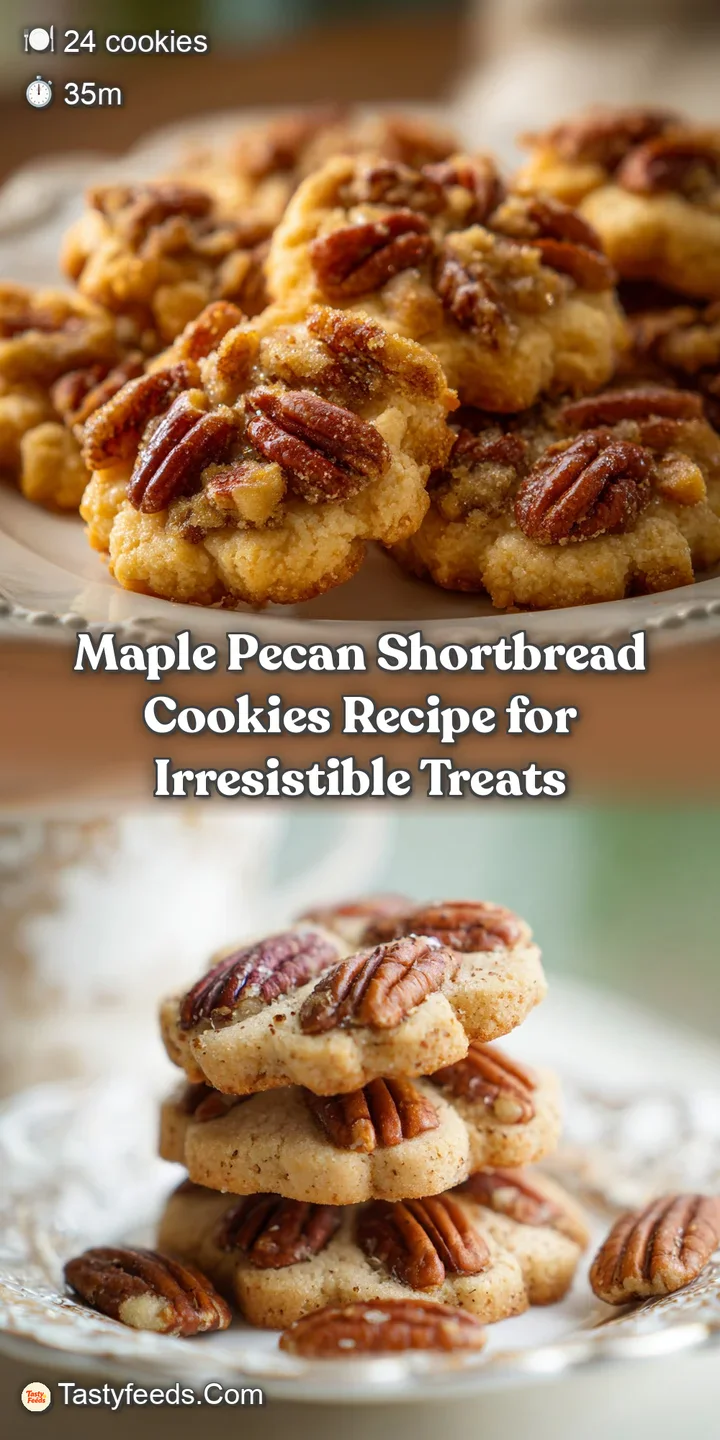
Maple Pecan Shortbread Cookies FAQs
What is the 3:2:1 rule for shortbread?
No, the 3:2:1 rule is not the standard for this recipe. The classic Scottish shortbread ratio is 3 parts flour, 2 parts butter, and 1 part sugar by weight. We adjust this to include maple syrup and cornstarch for a unique, tender texture.
What is the secret to making good shortbread?
Keep your ingredients cool and avoid overworking the dough. Cold butter creamed just until smooth (not fluffy) prevents spread, and the addition of cornstarch ensures a velvety, crumbly snap.
Are Keebler pecan sandies discontinued?
No, they are generally still available, but this recipe offers superior quality. store-bought versions often use hydrogenated oils; using high-quality, cool butter here achieves that authentic, melt-in-your mouth texture far better.
What's the difference between Scottish shortbread and normal shortbread?
Scottish shortbread traditionally uses only flour, butter, and sugar, often relying on cream or milk for binding. Our Maple Pecan version deviates by adding cornstarch for tenderness and maple syrup for moisture, resulting in a slightly softer, more complex flavor profile.
How do I prevent my shortbread edges from browning too quickly?
Bake at a lower temperature, around 325°F, and use parchment paper or a silicone mat. This gentle heat allows the center to cook through before the high sugar content in the maple causes the edges to burn; if you master this gentle heat control, it applies well to our Honey Butter Chicken recipe for even cooking.
Why do my shortbread cookies seem dry and crumbly when cutting?
This usually means the dough was under mixed or too cold when you tried to cut it. After chilling, let the dough rest at room temperature for about 5 minutes before cutting to achieve better pliability; this same slight warming technique helps when prepping dough for frying, like in our Turkey Jerky Recipe.
Can I substitute the maple sugar with regular granulated sugar?
Yes, you can substitute it, but the flavor will be less nuanced. Granulated sugar lacks the depth of maple sugar, and it can cause the cookies to spread slightly more due to differences in crystal structure.
Maple Pecan Shortbread Cookies
Ingredients:
Instructions:
Nutrition Facts:
| Calories | 157 kcal |
|---|---|
| Protein | 1.5 g |
| Fat | 10.9 g |
| Carbs | 13.5 g |
| Fiber | 0.5 g |
| Sugar | 3.8 g |
| Sodium | 50 mg |
