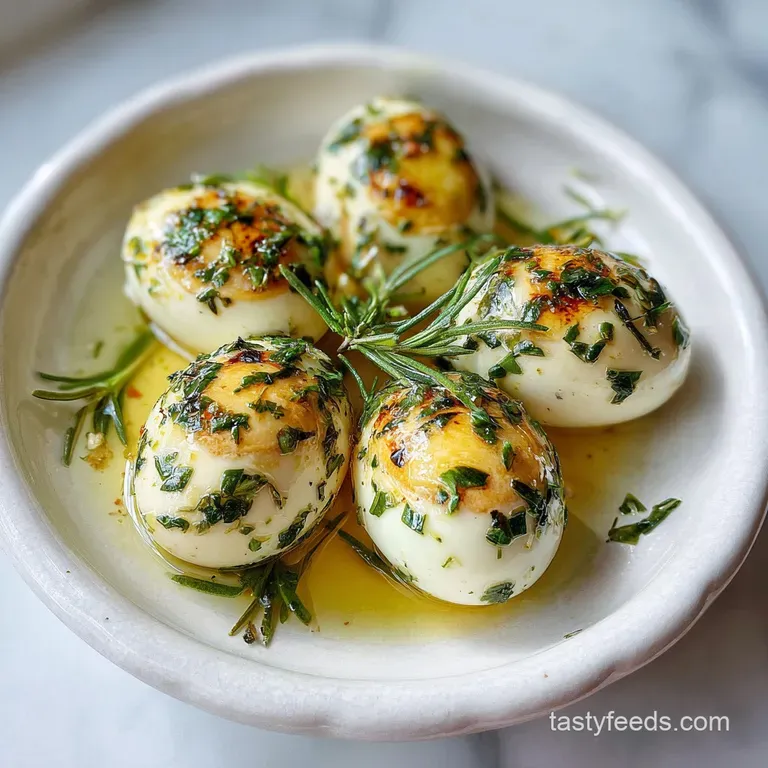
Duck Egg Recipe with Garlic and Herbs: Buttery Basted
- Time: Active 5 mins, Passive 7 mins, Total 12 mins
- Flavor/Texture Hook: Silky, liquid gold yolks with butter crisped, herb infused edges
- Perfect for: A luxurious weekend brunch or a high protein weekday fix
- Master the Duck Egg Recipe with Garlic and Herbs
- Why This Basting Method Works Well
- Component Analysis of the Dish
- Shopping List for This Recipe
- Essential Tools for Basting Eggs
- From Cold Pan to Golden Plate
- Solving Common Basting and Texture Issues
- Customizing Your Herbs and Spices
- Storing Leftovers and Reducing Waste
- Side Dishes to Serve With Eggs
- Duck Egg Kitchen Myths
- Recipe FAQs
- 📝 Recipe Card
Master the Duck Egg Recipe with Garlic and Herbs
Morning food should never be boring, and honestly, the first time I cracked a duck egg into a hot skillet, I wasn't prepared for the sheer size of the yolk. It sat there like a giant, golden sun, shimmering and thick.
The aroma of 3 tbsp Unsalted Butter hitting the pan combined with 4 Garlic Cloves, smashed and sizzling, is enough to get anyone out of bed. I remember my first attempt; I treated it like a chicken egg and ended up with a rubbery mess.
Since then, I’ve learned that duck eggs need a bit of respect and a lot of basting.
Discover a standout Duck Egg Recipe with Garlic and Herbs that's sure to impress. We aren't just frying an egg here; we’re creating a rich, savory experience where the herbs actually penetrate the fat of the yolk. This isn't your average "cereal" morning.
We're talking about a velvety texture that coats 2 cups Steamed Jasmine Rice like a decadent sauce. If you’ve been sticking to the same old routine, this is the weekday fix you didn't know you needed.
The magic happens when the Rosemary and Thyme hit that foaming butter. You’ll hear a gentle crackle, a sound that signals the oils from the herbs are releasing into the fat. It’s a sensory overload in the best way possible.
By the time you slide these eggs onto your rice, the garlic has turned mellow and sweet, and the herbs have become little crispy garnishes that shatter when you bite into them. Trust me, once you go duck, chicken eggs feel a bit like a compromise.
Why This Basting Method Works Well
Duck eggs are structurally different from chicken eggs, which is why a standard "flip" often fails. Here is the breakdown of why this specific basting technique ensures a silky result every time:
- Fat Solubility: The high fat content in the yolk acts as a sponge for the essential oils in the Rosemary and Thyme, flavoring the egg from the inside out.
- Thermal Buffering: Using a base of 2 cups Steamed Jasmine Rice provides a heat sink that keeps the eggs warm without continuing to cook the delicate proteins.
- Basting Physics: Spooning hot butter over the top "poaches" the yolk gently while the bottom crisps, avoiding the need to flip and risk breaking that massive yolk.
- Aromatic Infusion: Smashing the garlic increases surface area, allowing the allicin to mellow into the butter rather than burning into bitter bits.
| Cook Method | Time | Texture | Best For |
|---|---|---|---|
| Stovetop Basting | 7 minutes | Crispy edges, liquid yolk | Maximum herb flavor |
| Oven Baking | 12 minutes | Evenly set, custard like | Large batch cooking |
| Classic Fried | 4 minutes | Firm edges, heavy char | Quick hunger fixes |
The stovetop basting method is my absolute favorite because you have total control over the heat. If you see the butter browning too fast, you just pull it off the flame for a second. It's much more intuitive than leaving it to the mercy of an oven's heating element.
Plus, the ritual of spooning that liquid gold over the whites is strangely therapeutic before your first cup of coffee.
Component Analysis of the Dish
When we look at the anatomy of this Duck Egg Recipe with Garlic and Herbs, every ingredient serves a specific structural purpose. It's not just about flavor; it's about the chemistry of the breakfast plate.
| Ingredient | Science Role | Pro Secret |
|---|---|---|
| Duck Eggs | High Lecithin | Provides a creamier mouthfeel than chicken eggs |
| Unsalted Butter | Emulsification Base | Use unsalted to control the final "pop" of the flaky salt |
| Fresh Thyme | Volatile Oil Source | Woody stems hold up better to the high heat of basting |
| Jasmine Rice | Starch Absorbent | The long grains catch the yolk without becoming gummy |
You’ll want to make sure your rice is freshly steamed and fluffy. If you find yourself with leftover rice that's a bit dry, you can actually use a technique similar to my Hoe Cake Recipe to crisp the rice in a separate pan first for some added texture.
Shopping List for This Recipe
To get those perfect, velvety results, you need the right components. Don't worry if you can't find everything; I’ve included some smart, budget friendly swaps that won't ruin the vibe.
- 4 large fresh Duck Eggs: Look for shells that feel heavy. Why this? The larger yolk to white ratio is essential for the richness of this specific dish.
- Substitute: 6 extra large chicken eggs (you'll need more to match the volume).
- 3 tbsp Unsalted Butter: This is our cooking medium and our sauce. Why this? Butter carries herb flavors better than oil does.
- Substitute: Ghee or clarified butter for a higher smoke point.
- 4 Garlic Cloves: Smashed, not minced. Why this? Smashed cloves infuse the oil without burning into bitter black specks.
- Substitute: 1 tsp garlic powder mixed into the butter (less fresh, but works in a pinch).
- Fresh Thyme and Rosemary: Use whole sprigs. Why this? Whole sprigs are easier to remove and provide a subtle, non overpowering aroma.
- Substitute: 1 tsp dried Italian seasoning (add it at the very end to avoid burning).
- 2 cups Steamed Jasmine Rice: The bed for our eggs. Why this? The floral notes of Jasmine pair beautifully with the rosemary.
- Substitute: Brown rice or even a piece of thick sourdough toast.
- Flaky Sea Salt and Cracked Black Pepper: For the finish. Why this? Flaky salt provides a crunch that contrasts the soft yolk.
- Substitute: Standard table salt (use half the amount).
Essential Tools for Basting Eggs
You don't need a professional kitchen, but a heavy bottomed pan is non negotiable here. I usually reach for my cast iron or a heavy stainless steel skillet. You want something that retains heat so when you drop those cold eggs in, the pan temperature doesn't plummet.
A large metal spoon is also vital for the basting process plastic spoons just don't have the "reach" or the heat resistance needed to scoop that bubbling butter effectively.
If you’re working with a smaller pan, don't try to cram all four eggs in at once. They’ll steam instead of fry, and you’ll lose those glorious crispy edges. Work in batches if you have to; the rice will keep the first batch warm.
From Cold Pan to Golden Plate
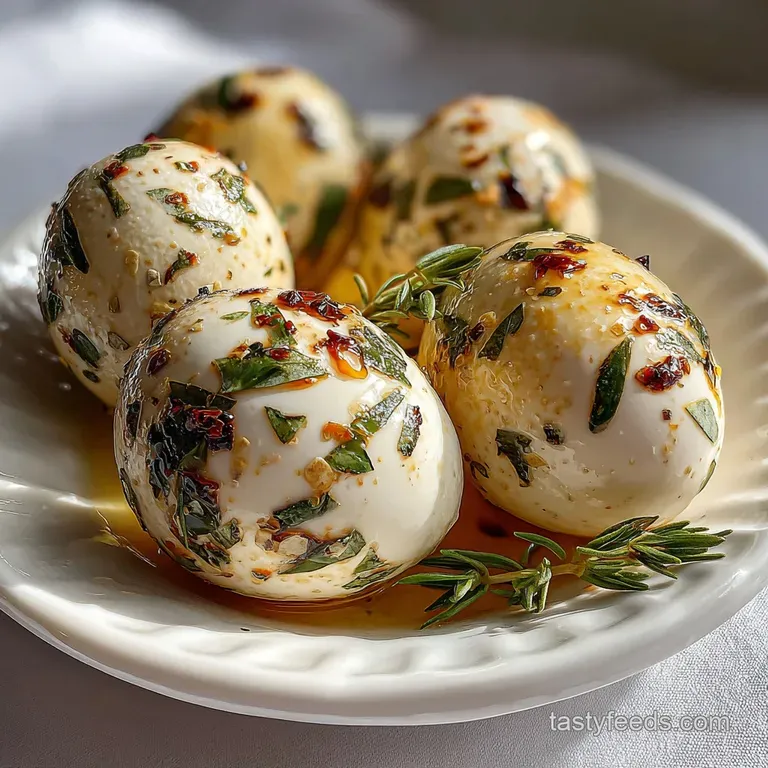
Follow these steps carefully. The timing is quick, so have your plates and rice ready before you even turn on the stove.
- Prep the Aromatics: Smash the 4 Garlic Cloves with the side of your knife. Leave them in large chunks.
- Melt the Base: Place 3 tbsp Unsalted Butter in a cold skillet. Turn the heat to medium. Note: Starting cold prevents the butter from scorching immediately.
- Infuse the Fat: Add the garlic, 2 sprigs of Thyme, and 1 sprig of Rosemary to the melting butter. Cook until the butter foams and smells nutty.
- The Crack: Carefully crack the 4 Duck Eggs into the pan. Space them out so the whites don't immediately fuse together.
- Initial Set: Let the eggs sit undisturbed for 2 minutes until the edges are opaque and starting to curl.
- The Basting Ritual: Tilt the pan slightly so the herb butter pools at the bottom. Use a spoon to pour the hot fat over the egg whites and around the yolks.
- Yolk Care: Continue basting for 3 to 4 minutes. Watch for the whites to become firm and "shatter crisp" at the edges.
- The Rice Bed: Divide the 2 cups Steamed Jasmine Rice into two bowls. Create a small well in the center of each.
- The Transfer: Use a wide spatula to lift two eggs onto each bed of rice. Pour the remaining garlic butter and herbs over the top.
- Season: Sprinkle with 0.25 tsp Flaky Sea Salt and 0.125 tsp Cracked Black Pepper until the yolks look glittery and seasoned.
Solving Common Basting and Texture Issues
Duck eggs have a thicker shell and a more robust inner membrane than chicken eggs. If you find yourself struggling with a messy crack or a rubbery finish, it's usually a temperature issue.
Why Your Duck Egg Whites are Rubbery
If the whites feel like a bouncy ball, the heat was too high for too long. Duck egg whites have more protein and less water than chicken eggs, meaning they toughen up faster. The trick is to keep that butter spooned over them to cook them from the top down, allowing you to pull the pan off the heat sooner.
Why the Garlic is Turning Bitter
If those cloves are turning dark brown or black, your heat is aggressive. You want a "gentle sizzle," not a "raging pop." If the garlic looks like it's tanning too fast, move it to the top of an egg white to act as a heat shield while it continues to perfume the dish.
| Problem | Root Cause | Solution |
|---|---|---|
| Broken Yolk | Cracking too hard on a sharp edge | Crack on a flat counter surface first |
| Pale, Greasy Whites | Butter temperature was too low | Wait for the butter to foam before adding eggs |
| Raw Top of Yolk | Not enough basting action | Tilt the pan further to get more butter in the spoon |
Common Mistakes Checklist
- ✓ Using cold eggs straight from the fridge (let them sit out 10 mins to prevent the pan temp from dropping).
- ✓ Crowding the pan so the eggs "boil" in their own steam rather than frying.
- ✓ Removing the herbs too early; let them get crispy, they are delicious!
- ✓ Forgetting to season the rice the rice needs its own pinch of salt to stand up to the rich yolk.
- ✓ Using a dull spoon that can't scoop enough butter to cover the yolk surface.
Customizing Your Herbs and Spices
While rosemary and thyme are the classic "herb" component of this Duck Egg Recipe with Garlic and Herbs, don't feel locked in. If you want a brighter flavor, you can swap the rosemary for fresh sage.
Sage leaves get incredibly crispy in butter and provide a "sausage like" savory note that feels very breakfast appropriate.
If you want a Spicy Kick
Add a pinch of red pepper flakes or a dash of chili oil to the butter at the same time you add the garlic. The heat will bloom in the fat and create a "red eye" style butter that cuts through the richness of the duck egg. If you’re a fan of fermented funk, serving this alongside a Pickle De Gallo recipe adds a brilliant acidic crunch that balances the heavy fat.
If you want an Umami Bomb
Drizzle a teaspoon of soy sauce or tamari over the rice before placing the eggs. The saltiness of the soy sauce interacts with the creamy yolk to create a flavor profile reminiscent of Japanese "Tamago Kake Gohan." It’s an easy way to make a budget meal feel like a high end bistro dish.
Storing Leftovers and Reducing Waste
Eggs are best eaten immediately, but let's be real sometimes we over prep the rice.
- Storage: Store the cooked Jasmine Rice in an airtight container in the fridge for up to 3 days. I don't recommend storing the cooked eggs as they become rubbery when reheated.
- Freezing: You can freeze cooked rice for up to 1 month. To reheat, add a splash of water and microwave until steaming.
- Zero Waste: Don't toss those duck eggshells! They are incredibly thick and high in calcium. Crush them up and add them to your garden soil or compost; tomato plants especially love the boost. Also, save any leftover herb infused butter. It hardens in the fridge and makes an amazing spread for toast the next morning.
| Servings | Egg Count | Rice Amount | Butter Needed |
|---|---|---|---|
| 1 Person | 2 Eggs | 1 cup | 1.5 tbsp |
| 2 People | 4 Eggs | 2 cups | 3 tbsp |
| 4 People | 8 Eggs | 4 cups | 5 tbsp |
Side Dishes to Serve With Eggs
Since this dish is quite rich and fatty, you want sides that provide contrast. A simple side of sautéed spinach with a squeeze of lemon works wonders. The acidity cuts right through the butter and cleanses the palate between bites.
If you’re looking for something more substantial for a "big breakfast" vibe, these eggs are a fantastic topper for other savory dishes. I’ve often served them alongside a modified Olive Garden Chicken recipe for a "brunch style" scampi where the yolk becomes the sauce for the pasta. It might sound unconventional, but the garlic and herb profile matches perfectly.
The Physics of the Basting Spoon
Heat Retention: Metal spoons work best because they pre heat in the butter, ensuring the fat doesn't cool down before it hits the yolk. This "top down" cooking method sets the proteins on the surface of the yolk just enough so it doesn't break when you move the egg.
Chef's Tips
Chef's Tip: Crack your duck eggs into a small ramekin first. Their shells are much tougher than chicken eggs, and this prevents shell fragments from ruining your herb butter.
Chef's Tip: If your rosemary sprigs are very "woody," strip the leaves and fry them loose. They turn into "herb sprinkles" that add a localized crunch to every bite.
Duck Egg Kitchen Myths
Many people think duck eggs are "gamey" or "fishy." This is a complete myth usually caused by ducks that have a poor diet. high-quality, farm fresh duck eggs actually taste like chicken eggs but "amplified." They are richer, creamier, and have a much more significant presence on the plate.
Another myth is that you can't use duck eggs for frying because the whites are too tough. As we’ve seen with this Duck Egg Recipe with Garlic and Herbs, the toughness only happens if you overcook them.
By using the basting method, you keep the whites tender and the yolks liquid, proving that with the right technique, any "problem" ingredient can become the star of your morning.
Right then, let's get that pan heating up. You’ve got the science, the steps, and the tricks to turn a couple of giant eggs into a breakfast that feels like a total luxury. Enjoy every silky, buttery bite!
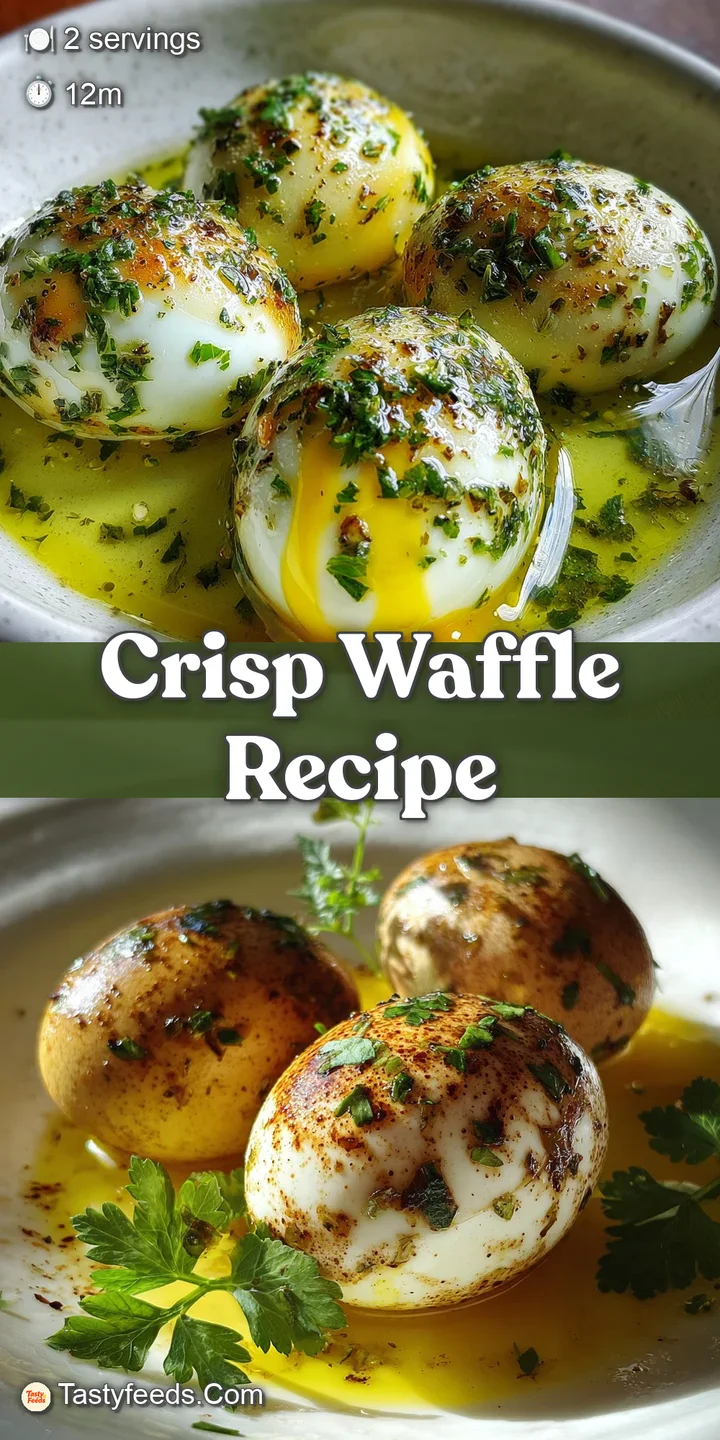
Recipe FAQs
Is garlic and herb seasoning good on eggs?
Yes, especially with duck eggs. The high fat content of the duck yolk readily absorbs the fat-soluble essential oils from the garlic and herbs, leading to a richer, deeply infused flavor profile.
What is the best thing to make with duck eggs?
Dishes where richness is prioritized, like custards, rich scrambles, or fried with strong aromatics. Because the yolk is larger and higher in fat, they excel in recipes like this one where the yolk acts as a natural sauce.
What's the best way to eat a duck egg?
Fried or gently poached, served over something starchy like rice or toast. This maximizes the enjoyment of the large, creamy yolk that coats everything it touches.
What's the best way to cook duck eggs?
Use the gentle stovetop basting method described in the recipe. Tilt the pan and spoon the hot herb butter over the whites and yolk to cook them evenly without flipping.
How long do I cook duck eggs using the basting method?
Total active cooking time is about 5 to 7 minutes on the stovetop. Watch the edges of the whites for crisping; this signals that the top is set enough to handle the butter basting without breaking.
Can I use the same technique for chicken eggs?
Yes, but you must significantly reduce the cooking time. The whites in chicken eggs are thinner, so if you apply the duck egg timing, they will become rubbery; master this technique here, then apply the temperature control principles to our Sourdough Buns Recipe where consistent heat matters.
Why are my duck egg yolks turning out runny instead of silky?
False. A runny yolk is the goal, but "silky" requires precise temperature control. If the yolk is too liquid, you are likely not spooning enough hot butter over the very top surface of the yolk to gently set the exterior membrane.
Garlic Herb Duck Eggs
Ingredients:
Instructions:
Nutrition Facts:
| Calories | 593 kcal |
|---|---|
| Protein | 21.8 g |
| Fat | 37.1 g |
| Carbs | 41.6 g |
| Fiber | 0.8 g |
| Sugar | 0.4 g |
| Sodium | 342 mg |
