Easy Creamy Shrimp Linguine Recipe with Garlic
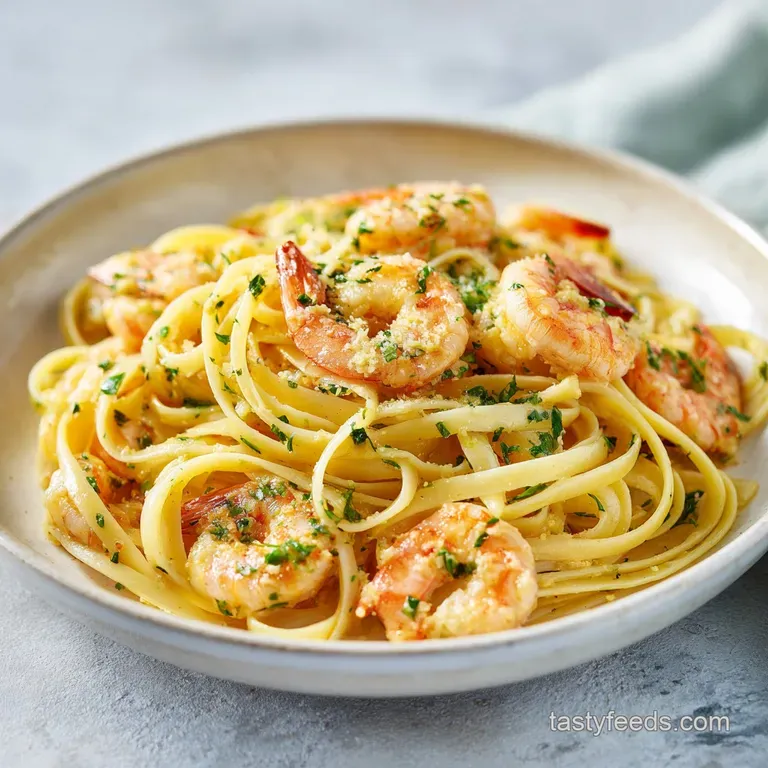
- Time: Active 15 minutes, Passive 10 minutes, Total 25 minutes
- Flavor/Texture Hook: Silky cream sauce with snap tender shrimp
- Perfect for: Busy weeknights or a quick date night at home
- Easy Creamy Shrimp Linguine Recipe with Garlic
- Master These Quick Flavor Methods
- Fast Facts For Hungry Cooks
- Pure Pantry Gold Ingredients
- Minimal Tools For Easy Clean
- Quick Steps To Silky Pasta
- Survival Guide For Pasta Pro
- Easy Swaps For Bold Flavor
- Fresh Leftovers Storage Hacks
- Best Ways To Serve Now
- High in Sodium
- Recipe FAQs
- 📝 Recipe Card
Easy Creamy Shrimp Linguine Recipe with Garlic
Imagine coming home after a long shift, starving, and the only thing in your fridge is a bag of frozen shrimp and half a carton of cream. I remember the first time I tried to make this, I dumped everything in at once and ended up with rubbery shrimp and a sauce that looked like watery milk.
It was a disaster, but it taught me that the order of operations is everything when you want that velvety finish. This article provides an easy creamy shrimp linguine recipe with garlic that's sure to become a weeknight favorite.
We are going for that specific "shatter" of garlic aroma when it hits the hot butter, followed by the bright zip of fresh lemon. You don't need fancy tools or a culinary degree to pull this off. We're keeping things simple, direct, and fast because nobody has time for a three hour pasta project on a Tuesday night.
You can expect a dish that feels expensive but costs less than a takeout pizza. We'll focus on getting the shrimp perfectly pink and curled while the pasta finishes in the sauce, ensuring every bite is infused with garlic. Trust me, once you nail the timing, you'll never order this at a restaurant again.
Master These Quick Flavor Methods
Building a sauce that doesn't break requires a little bit of kitchen physics. It isn't just about mixing ingredients, it's about managing heat and moisture to create a stable coating for your linguine.
- Starch Bonding: Pasta water contains released amylose, which acts as a bridge between the watery cream and the fats in the butter.
- The Cold Sizzle: Adding garlic to lukewarm oil and butter allows the flavor to infuse deeply without the garlic pieces burning or turning bitter.
- Protein Carryover: Pulling shrimp off the heat just before they're done prevents them from turning into rubbery, chewy knots.
- Acid Balancing: Lemon juice at the very end cuts through the heavy cream, preventing the dish from feeling cloying or too rich.
| Method | Time | Texture | Best For |
|---|---|---|---|
| Stovetop | 15 minutes | Silky and glossy | Fresh, fast weeknight meals |
| Oven Bake | 25 minutes | Set and bubbly | Larger crowds or casseroles |
| One Pot | 20 minutes | Starchier and thick | Minimal cleanup / lazy nights |
Building flavor is similar to the technique used in my Roasted Onion Garlic recipe, where slow cooked aromatics provide the base for everything else. In this pasta, we achieve that same depth in a fraction of the time by using over high heat searing for the shrimp.
Science Of Starchy Pasta Water
When you boil linguine, the surface starches wash off into the water, creating a cloudy liquid. This liquid is a natural thickener that helps the heavy cream and Parmesan fuse into a cohesive sauce rather than separating into a pool of oil.
Flavor Power In Pan Fond
The little brown bits left in the pan after searing the shrimp are called "fond." These bits are concentrated flavor bombs that dissolve into the cream, giving your sauce a savory complexity you can't get from cream alone.
Fast Facts For Hungry Cooks
When you're in survival mode, you need to know if a recipe fits your schedule and your gear. This dish is designed for speed without sacrificing the bold flavors you'd expect from a high end bistro.
| Component | Science Role | Pro Secret |
|---|---|---|
| Heavy Cream | Fat Emulsifier | Use room temp cream to prevent curdling when hitting the pan. |
| Garlic | Aromatic Base | Mince fresh; jarred garlic lacks the necessary sulfur compounds for a "bite." |
| Shrimp | Protein Anchor | Pat them bone dry before cooking to get a better sear. |
| Parmesan | Stabilizer | Fine grated cheese melts faster and helps thicken the sauce instantly. |
If you have extra shrimp and want to try a different technique, the over high heat method here is very similar to a Pan Seared Steak recipe, where the goal is a quick crust and a tender interior.
Pure Pantry Gold Ingredients
I've learned the hard way that cheap Parmesan in a green can will ruin this sauce. It won't melt, it just clumps. Go for the block and grate it yourself, it's a total game changer for the texture.
- 1 lb linguine dry: The flat surface of linguine holds cream better than round spaghetti.
- 1 lb large shrimp: Peeled and deveined. Why this? Larger shrimp stay juicier during the over high heat sear.
- 6 cloves garlic: Minced. Why this? Heavy garlic presence is the soul of this specific sauce.
- 1 cup heavy cream: Full fat is mandatory here for the right mouthfeel.
- 0.5 cup Parmesan cheese: Freshly grated. Why this? Pre shredded cheese is coated in starch and won't melt smoothly.
- 2 tbsp extra virgin olive oil: For searing.
- 2 tbsp unsalted butter: For the sauce base.
- 0.5 lemon: Zest and juice. Why this? The zest provides aroma while the juice cuts the fat.
- 0.25 cup Italian parsley: Finely chopped.
- 0.5 tsp red pepper flakes: For a subtle back end heat.
- 2 tbsp kosher salt: Specifically for the pasta water.
| Original Ingredient | Substitute | Why It Works |
|---|---|---|
| Heavy Cream | Half and Half | Lighter, but sauce will be thinner. Add 1 tsp flour to thicken. |
| Linguine | Fettuccine | Similar surface area; works perfectly with the cream. |
| Italian Parsley | Fresh Basil | Adds a peppery, sweet note instead of earthy freshness. |
Minimal Tools For Easy Clean
You don't need a kitchen full of gadgets. I usually make this with just one large pot for the pasta and a high sided skillet for the sauce. A microplane is great for the lemon and cheese, but a standard box grater works just as well in a pinch.
Chef Tip: Freeze your block of Parmesan for 10 minutes before grating. It makes the cheese firmer and prevents it from clumping or melting in your hand while you work.
The Best Linguine Base
Cooking the pasta is the first step, and it dictates the final texture of the dish. You want to pull the noodles out when they still have a firm "white" center, as they will finish cooking in the hot cream sauce later.
Searing The Perfect Shrimp
Shrimp cook in a flash. If you leave them in the pan while you build the sauce, they'll turn into tiny, tough rubber balls. The trick is to sear them, remove them, and only bring them back at the very end to warm through.
Quick Steps To Silky Pasta
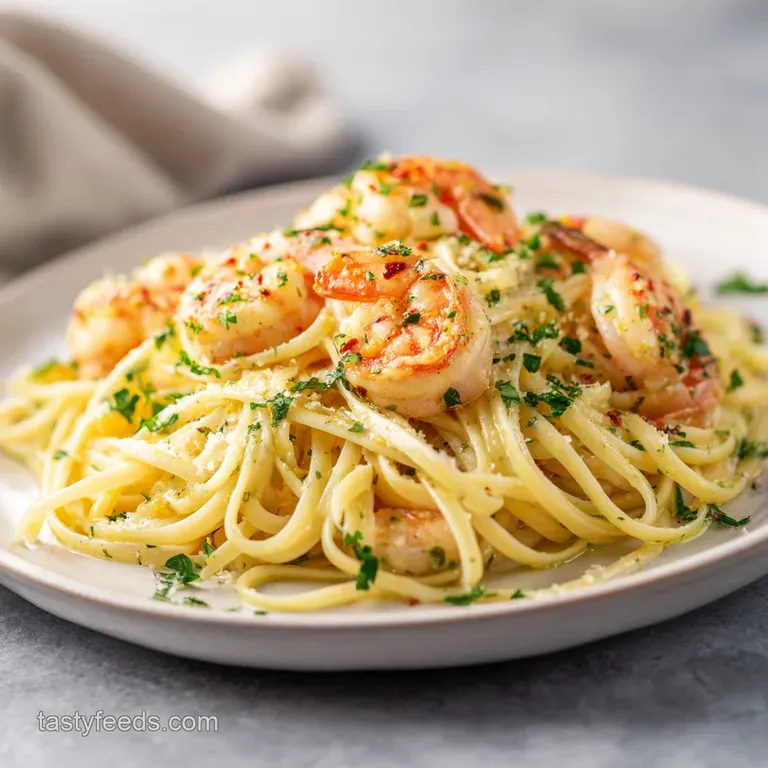
- Boil water. Use a large pot with 2 tbsp kosher salt. Note: The water should taste like the sea to season the pasta from the inside out.
- Cook linguine. Drop the 1 lb linguine and cook for 2 minutes less than the package directions. Note: This ensures it stays al dente.
- Save water. Scoop out 0.5 cup of the starchy pasta water before draining the noodles.
- Sear shrimp. Heat 2 tbsp olive oil in a skillet. Add the 1 lb shrimp in a single layer. Note: Work in batches if the pan is too small.
- Color check. Cook shrimp 2 minutes per side until pink and opaque. Remove and set aside.
- Sauté aromatics. In the same pan, melt 2 tbsp butter. Add 6 minced garlic cloves and 0.5 tsp red pepper flakes. Note: Cook for 1 minute until fragrant but not brown.
- Simmer cream. Pour in 1 cup heavy cream. Bring to a light simmer for 3 minutes until slightly thickened.
- Emulsify sauce. Whisk in 0.5 cup Parmesan cheese and the reserved pasta water. Note: The sauce should look glossy and smooth.
- Toss pasta. Add the cooked linguine and seared shrimp back to the pan. Note: Use tongs to coat every strand thoroughly.
- Finish bright. Stir in the lemon zest, lemon juice, and 0.25 cup parsley. Salt and pepper to taste.
Survival Guide For Pasta Pro
One of the biggest mistakes I see is people being afraid of the pasta water. They drain it all away and then wonder why their sauce is dry or sticking to the bottom of the pan. That water is your insurance policy.
Fix For Thin Watery Sauce
If your sauce looks more like soup than a coating, you likely added too much pasta water or didn't let the cream reduce enough. Keep the heat on medium and toss the pasta constantly. The starch from the noodles will eventually thicken the liquid as it evaporates.
Avoid Burnt Bitter Garlic
Garlic turns from perfect to acrid in about five seconds. If your pan is smoking hot when the garlic goes in, pull it off the burner for a moment. You want a gentle sizzle, not a violent fry.
| Problem | Root Cause | Solution |
|---|---|---|
| Rubbery Shrimp | Overcooking | Remove shrimp from pan immediately after they turn opaque. |
| Clumpy Cheese | Added too fast | Whisk in the Parmesan slowly over low heat, not a rolling boil. |
| Dry Pasta | Not enough liquid | Add an extra splash of pasta water or a tablespoon of butter at the end. |
- ✓ Pat shrimp completely dry with paper towels before searing to get a golden crust.
- ✓ Never rinse your pasta after draining; you need that surface starch for the sauce to stick.
- ✓ Use a wide skillet rather than a deep pot for the sauce to allow for faster cream reduction.
- ✓ Zest the lemon before juicing it; it's nearly impossible to zest a squeezed lemon half.
- ✓ Season with black pepper at the very end to keep the floral notes of the pepper fresh.
Easy Swaps For Bold Flavor
This recipe is a canvas. While the garlic and cream are the stars, you can easily pivot based on what's in your pantry. If you want a deeper flavor, you could even use the base of a Fried Rice recipe logic and add a splash of soy or fish sauce for an "umami" punch, though that's moving away from the classic Italian American vibe.
- For the Linguine: If you're out of long pasta, penne or rigatoni work. The ridges on rigatoni actually trap the cream sauce beautifully.
- For the Shrimp: Swap for scallops or even sliced chicken breast. Just remember that chicken takes longer to cook than shrimp.
- For the Heat: If red pepper flakes aren't enough, a teaspoon of Calabrian chili paste stirred into the butter is incredible.
Decision Shortcut
- If you want a thicker sauce, add an extra 0.25 cup of Parmesan and let it simmer for 2 more minutes.
- If you want a lighter meal, swap half the heavy cream for chicken broth and add extra lemon juice.
- If you want more crunch, top the finished dish with toasted panko breadcrumbs mixed with garlic butter.
Fresh Leftovers Storage Hacks
Cream based pastas can be tricky to reheat because the fat tends to separate, leaving you with an oily mess. The secret is low heat and a little extra moisture.
- Storage: Keep in an airtight container in the fridge for up to 2 days. The shrimp will get tougher the longer they sit.
- Freezing: I don't recommend freezing this. Heavy cream and cooked pasta often change texture significantly when thawed, becoming grainy and mushy.
- Zero Waste: Have leftover sauce but no pasta? Dip crusty bread into it or spoon it over grilled asparagus the next day.
- Reheating: Place the pasta in a skillet over low heat. Add a tablespoon of milk or water and toss gently until the sauce becomes creamy again. Avoid the microwave if possible, as it nukes the shrimp into erasers.
Best Ways To Serve Now
This dish is best served immediately while the sauce is at its peak silkiness. I like to serve it in warmed bowls just run them under hot water for a second so the pasta doesn't go cold the moment it hits the table.
Pair this with a simple green salad with a sharp vinaigrette to balance out the richness of the cream. A crisp white wine like a Pinot Grigio or Sauvignon Blanc works wonders here, as the acidity mirrors the lemon in the sauce.
Don't forget a hunk of crusty sourdough to swipe up every last drop of that garlic butter cream. Honestly, the "bread swipe" is the best part of the whole meal.
If you are feeling extra fancy, a final sprinkle of flaky sea salt and a few more cracks of black pepper right at the table make all the difference. It's a simple, fast meal that feels like a total win every single time.
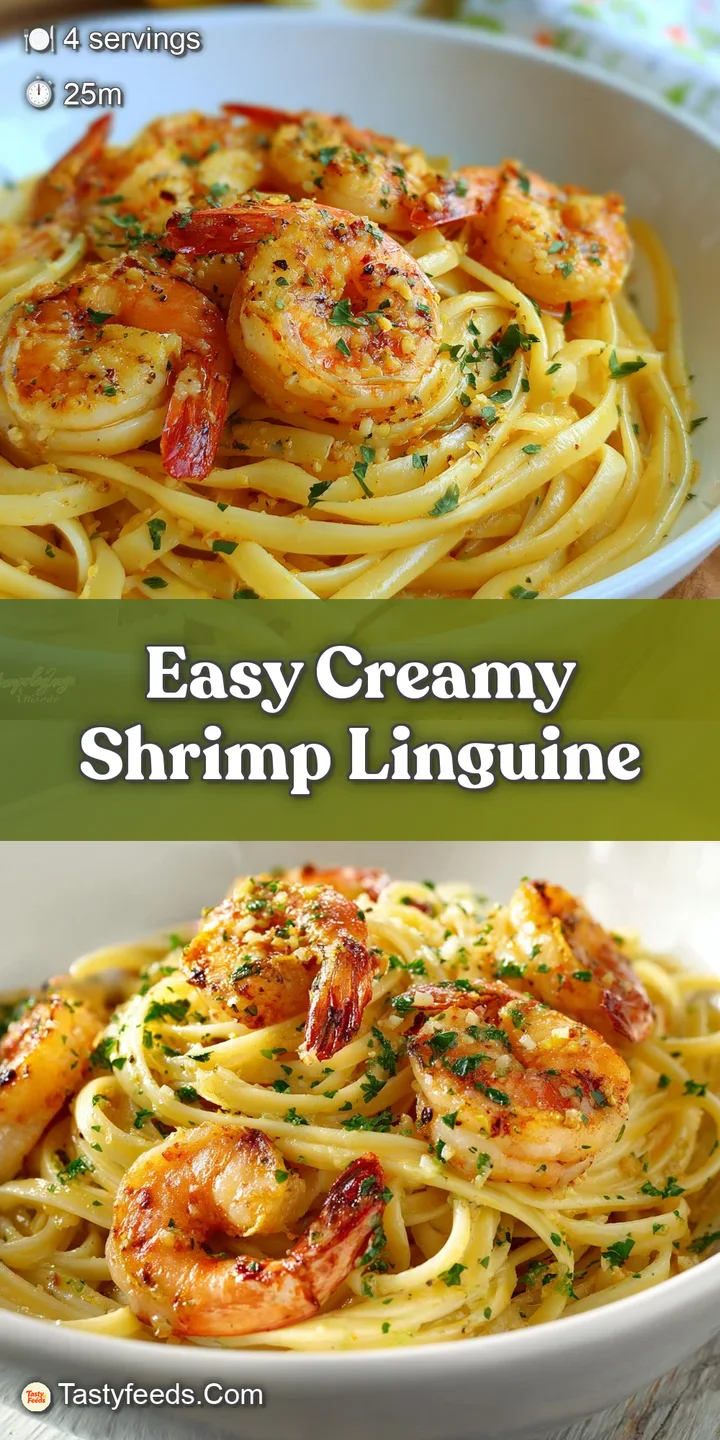
High in Sodium
945 mg mg of sodium per serving (41% of daily value)
The American Heart Association recommends limiting sodium intake to about 2,300mg per day for overall cardiovascular health.
Tips to Reduce Sodium in Your Shrimp Linguine
-
Reduce Parmesan-15%
Parmesan cheese is a significant source of sodium. Reduce the amount from 0.5 cup to 0.25 cup. This will still provide flavor while significantly decreasing sodium. The amount of sodium removed will be approximately 15%.
-
Limit Added Salt-25%
Instead of 2 tbsp of kosher salt, start with 1 tbsp and add more to taste if needed. Better yet, try to eliminate the salt that goes directly into the pasta water. This can reduce sodium by up to 25%.
-
Embrace Lemon Flavor-5%
Enhance the lemon flavor by using the juice and zest of a whole lemon instead of half a lemon. This can help to balance the flavors and reduce the need for added salt.
-
Unsalted Butter Only-5%
Make sure to use ONLY unsalted butter. This simple change will help decrease sodium without sacrificing the delicious buttery flavor. Many people accidentally grab the salted version.
-
Herbs and Spices
Experiment with additional herbs and spices like garlic powder, onion powder, oregano, or basil to enhance the flavor profile naturally, further reducing reliance on salt. Try adding additional pepper flakes as well.
Recipe FAQs
What's the secret to flavorful shrimp linguine?
Yes, it's all about the aromatics and searing technique. You must sauté the minced garlic and red pepper flakes in hot butter until fragrant before adding the cream, which builds a deep flavor base. This flavor complexity is similar to what you achieve when you spend hours developing fond, a technique we use in our Braised Mock Tenderloin recipe, just much faster.
What is the secret to a good creamy sauce?
Use starchy pasta water to create a stable emulsion. Adding reserved, cloudy pasta water slowly to the simmering cream and Parmesan acts as a binding agent, preventing the sauce from splitting into separate oil and liquid layers.
What are the ingredients in creamy garlic shrimp?
Linguine, shrimp, heavy cream, fresh Parmesan, garlic, olive oil, butter, lemon juice, parsley, and red pepper flakes. The quality of the Parmesan is crucial; always grate it fresh from a block for a smooth melt.
What's the secret to flavorful shrimp pasta?
Sear the shrimp hot and fast, then remove them immediately. Cooking the shrimp until just opaque and pulling them from the pan prevents them from becoming tough and overcooked while the sauce finishes reducing.
How do I keep my creamy sauce from separating when reheating?
Reheat gently over low heat with added liquid. Place the pasta in a skillet, add a tablespoon of milk or water, and toss constantly until the sauce comes back together smoothly.
Is it true I must use high fat heavy cream?
No, but full fat heavy cream is strongly recommended for texture. While you could substitute with half and-half for a lighter dish, the higher fat content in heavy cream creates the luxurious, velvety mouthfeel this specific recipe targets.
How to ensure the garlic adds flavor without burning?
Add the minced garlic to the pan after the butter is melted but before the cream goes in. Cook gently over medium heat for about one minute until it becomes highly fragrant, but pull the pan off the heat immediately if you see any browning.
Easy Creamy Shrimp Linguine
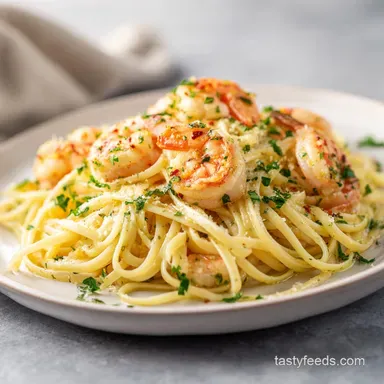
Ingredients:
Instructions:
Nutrition Facts:
| Calories | 901 kcal |
|---|---|
| Protein | 47.1 g |
| Fat | 39.2 g |
| Carbs | 87.7 g |
| Fiber | 3.8 g |
| Sugar | 3.1 g |
| Sodium | 945 mg |
