Corn and Squash Casserole Recipe with Panko
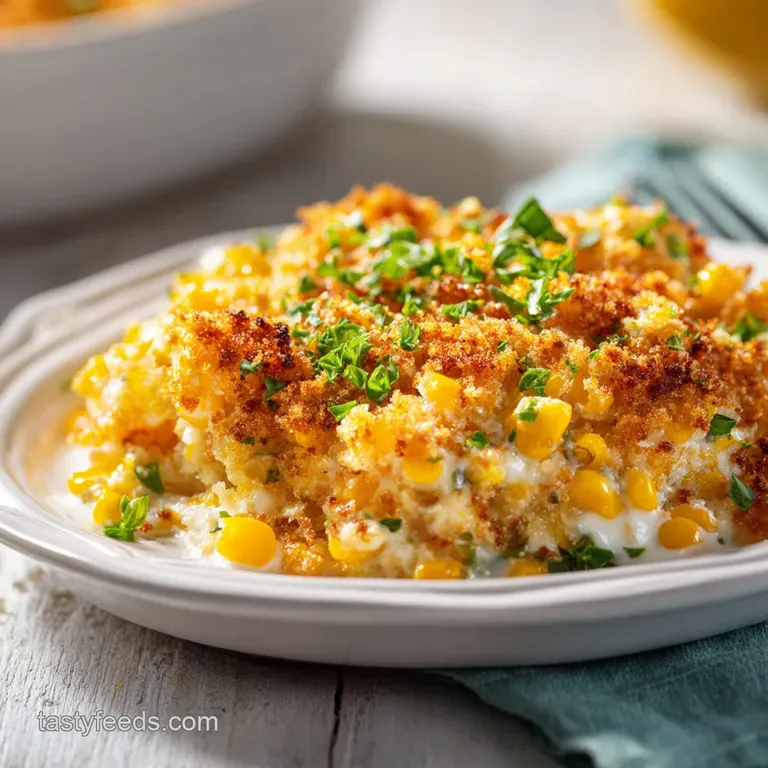
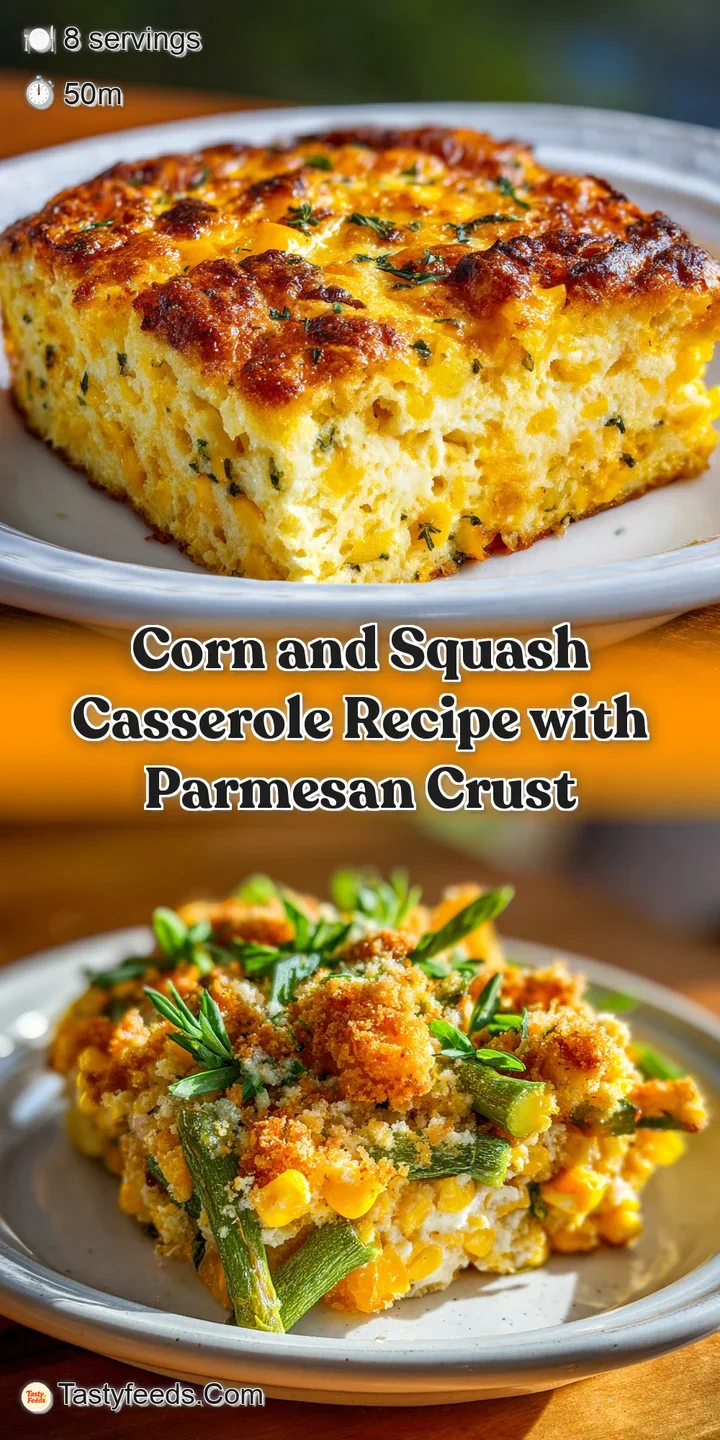
- Time: Active 15 minutes, Passive 35 minutes, Total 50 minutes
- Flavor/Texture Hook: Velvety creamed corn base with a shattering Parmesan crust.
- Perfect for: Sunday potlucks, busy weeknight sides, or summer holiday gatherings.
- Master the Ultimate Corn and Squash Casserole Recipe
- Why This Works
- The Ultimate Flavor Component Analysis
- Essential Specs for Success
- Tools for Kitchen Efficiency
- Executing the Perfect Bake
- Solving Common Texture Issues
- Scaling for the Crowd
- Debunking Casserole Myths
- Storage and Waste Reduction
- Winning Side Dish Pairings
- Recipe FAQs
- 📝 Recipe Card
Master the Ultimate Corn and Squash Casserole Recipe
The smell of sweet corn hitting a hot, buttery skillet is basically the scent of summer for me. But let's be real the first time I tried a corn and squash casserole recipe, it was a disaster.
I followed an old family recipe that just threw everything into a dish raw, and forty minutes later, I pulled out what looked like vegetable soup with soggy breadcrumbs floating on top. It was a watery mess that lacked any real punch.
I spent the next three summers obsessing over how to get that velvety interior without the lake of squash juice at the bottom. The trick, I realized, isn't just about the ingredients, but how you treat the moisture before it ever hits the oven.
We're going for a bold, savory sweet profile that stands up to a main protein, not a limp side dish that gets pushed around the plate.
This version is my survival guide for the peak of squash season. We are using Greek yogurt for a tangy kick that cuts through the richness of the cream style corn, and a heavy hand with smoked paprika to give it a hint of "did you grill this?" flavor.
Trust me, once you see that golden crust sizzle as it comes out of the oven, you won't go back to the old-fashioned mushy way.
Why This Works
Managing the Squash Water Crisis
Osmotic Pre treatment: Sautéing the squash first breaks down the cell walls and evaporates excess water before baking. This ensures the final casserole stays thick and creamy rather than turning into a vegetable soup.
Structural Integrity via Emulsification
Egg Binding: The beaten eggs act as a protein scaffold, trapping the moisture from the cream style corn and yogurt. This creates a custard like set that allows you to cut clean scoops instead of a runny pile.
The Maillard Reaction Optimization
Parmesan Crust Synergy: Mixing Parmesan with Panko and melted butter creates a fat rich barrier that browns intensely. The cheese melts and then crisps, providing a "shatter" effect that contrasts with the soft vegetables.
| Method | Time | Texture | Best For |
|---|---|---|---|
| Oven Bake | 35 mins | Deeply browned, shattering crust | Traditional dinner parties |
| Stovetop + Broil | 20 mins | Softer top, very creamy center | Quick weeknight "survival" meals |
| Air Fryer (Small Batch) | 15 mins | Extra crispy edges, denser center | Cooking for two |
The choice between methods usually comes down to how much time you have. While the stovetop method is faster, you lose that slow cooked marriage of flavors that only happens in the oven. If you have the extra 15 minutes, go for the oven every single time to get that uniform heat penetration.
The Ultimate Flavor Component Analysis
| Ingredient | Science Role | Pro Secret |
|---|---|---|
| Yellow Squash | Bulk & Structure | Slice them into exactly 1/4 inch rounds for even softening. |
| Cream style Corn | Moisture & Sweetness | Acts as a built in thickener because of the released corn starches. |
| Greek Yogurt | Acidic Balance | The acidity tenderizes the squash skin while providing a "velvety" mouthfeel. |
| Panko Breadcrumbs | Textural Contrast | Use Panko over traditional crumbs; the larger surface area stays crispier longer. |
Selecting the right squash is the first step to victory. I always look for medium sized yellow squash; the giant ones have seeds that are too tough and hold way too much water. If you're looking for a great main to serve this with, it pairs beautifully with a Honey Butter Chicken recipe for a full comfort food spread.
Essential Specs for Success
- 1.5 lbs yellow summer squash: Sliced into 1/4 inch rounds. Why this? Thick enough to hold shape but thin enough to soften quickly. (Substitute: Pattypan squash)
- 0.5 lbs zucchini: Sliced into 1/4 inch rounds. Why this? Adds a pop of color and a slightly firmer bite. (Substitute: Extra yellow squash)
- 1.5 cups fresh corn kernels: Cut straight from the cob if possible. Why this? Provides a "pop" that canned corn lacks. (Substitute: Frozen corn, thawed and patted dry)
- 1 small sweet onion: Diced finely. Why this? Provides the aromatic base and essential sweetness. (Substitute: Shallots for a milder flavor)
- 14.75 oz cream style corn: The standard can size. Why this? Creates the "sauce" without needing to make a roux. (Substitute: 1 cup corn puréed with 1/4 cup heavy cream)
- 1/2 cup plain Greek yogurt: Full fat is best here. Why this? Adds tang and creamy body without the heaviness of mayo. (Substitute: Sour cream)
- 2 large eggs: Beaten well. Why this? The "glue" that keeps the casserole from being runny. (Substitute: 1/2 cup silken tofu blended, though the set will be softer)
- 1 tsp smoked paprika: For that deep, earthy undertone.
- 1/2 tsp sea salt & 1/4 tsp black pepper: Essential seasoning.
- 3/4 cup Panko breadcrumbs: The ultimate crunch factor. (Substitute: Crushed Ritz crackers for a buttery Southern vibe)
- 1/3 cup grated Parmesan cheese: Salty, umami rich topper. (Substitute: Sharp white cheddar)
- 2 tbsp unsalted butter: Melted for the topping.
- 1 tbsp fresh thyme leaves: Stripped from the stem.
Chef's Tip: Freeze your block of Parmesan for 10 minutes before grating. It makes the cheese "shatter" into the Panko more evenly rather than clumping, leading to a much more uniform crust.
Tools for Kitchen Efficiency
You don't need a high end kitchen, but a large cast iron skillet (like a 12 inch Lodge) is a lifesaver here. It goes from stovetop to oven seamlessly, which means fewer dishes for you. If you don't have one, a standard deep sauté pan and a 9x13-inch baking dish work just fine.
You'll also want a sharp chef's knife dull knives bruise squash, causing them to leak even more water before they hit the pan.
Make sure you have a large mixing bowl to combine the "velvety" liquid base before adding the sautéed veggies. I've tried mixing it all in the baking dish to save time, but the eggs never get distributed evenly, and you end up with weird pockets of cooked egg. It's not worth the shortcut.
Executing the Perfect Bake

- Preheat and Prep: Set your oven to 375°F (190°C). Grease a 9x13-inch baking dish with butter or non stick spray.
- Sauté the Aromatics: Heat a splash of oil in a large skillet over medium high heat. Add the diced onion and sauté for 3 minutes until translucent and fragrant.
- Sear the Squash: Add the yellow squash and zucchini rounds to the skillet. Cook for 5-7 minutes, stirring occasionally, until the edges just start to brown. Note: We want to drive off moisture, not turn them into mush.
- Char the Corn: Toss in the fresh corn kernels for the last 2 minutes of sautéing until they turn bright yellow.
- Whisk the Base: In your large bowl, whisk together the cream style corn, Greek yogurt, beaten eggs, smoked paprika, salt, and pepper.
- Combine: Fold the hot vegetable mixture into the corn and yogurt base. Stir gently to avoid breaking the squash rounds.
- Transfer: Pour the mixture into your prepared baking dish, leveling it out with a spatula.
- Create the Crust: In a small bowl, toss the Panko, Parmesan, melted butter, and fresh thyme together. Sprinkle this evenly over the top.
- The Bake: Slide the dish into the oven and bake for 35 minutes until the top is golden brown and the center has a slight jiggle.
- The Rest: Let the casserole sit for 5-10 minutes before serving. Note: This is crucial for the "set" so it doesn't run all over the plate.
Solving Common Texture Issues
Why Your Casserole Is Watery
If you skip the sauté step, the squash will release its liquid inside the casserole. Since there's nowhere for the steam to go, it pools at the bottom. Also, ensure your corn is fresh or properly thawed; frozen corn that hasn't been dried can add an extra quarter cup of water you don't want.
To Prevent a Burnt Crust
Sometimes the Panko browns faster than the center sets, especially if your oven has a hot spot. If you see the top turning dark brown before the 25 minute mark, loosely tent the dish with aluminum foil. This allows the heat to continue cooking the eggs without scorching the Parmesan.
| Problem | Root Cause | Solution |
|---|---|---|
| Soggy Bottom | Vegetables weren't sautéed long enough. | Sauté squash until they lose 20% of their volume. |
| Bland Flavor | Lack of salt in the sauté phase. | Season the squash while in the skillet, not just the liquid base. |
| Curdled Texture | Oven temperature too high. | Ensure oven is exactly 375°F (190°C) to keep eggs from "breaking." |
Common Mistakes Checklist
- ✓ Never boil the squash; it absorbs water like a sponge.
- ✓ Pat the fresh corn dry after cutting it from the cob.
- ✓ Use a "sweet" onion (like Vidalia) to complement the corn's natural sugars.
- ✓ Don't over mix once the vegetables are in the liquid base.
- ✓ Give it that 10 minute rest after baking to allow the proteins to firm up.
Scaling for the Crowd
If you're looking to cut this down for a quiet dinner for two, use a small 8x8-inch pan. You'll want to beat one egg and use only half of it to keep the ratio right. Reduce the bake time by about 8-10 minutes since the smaller mass will heat through much faster.
For a massive holiday party, you can easily double this in two separate 9x13 dishes. Don't try to pile it all into one giant deep dish, or the middle will never set before the edges burn. When doubling the spices, use only 1.5 times the salt and paprika initially, then taste the sautéed veggies.
Often, spices don't need a direct 1:1 doubling to achieve the same bold flavor.
Debunking Casserole Myths
One major myth is that you need mayonnaise for a "Southern" squash casserole. While mayo adds fat, it often separates under high heat, leaving an oily film. Greek yogurt provides the same creamy texture with much better structural integrity and a cleaner finish on the palate.
Another misconception is that the squash skin should be peeled. Absolutely not! The skin provides the only structural "snap" in the dish. Without it, you’re basically eating flavored mashed potatoes. Keep the skins on for color, fiber, and texture.
Storage and Waste Reduction
Storage: This keeps beautifully in the fridge for up to 4 days. To reheat, avoid the microwave if you can; it makes the Panko sad and rubbery. Instead, pop it back in a 350°F (180°C) oven for 10-12 minutes to crisp the top back up.
Freezing: I don't recommend freezing this dish after it's baked, as squash becomes quite grainy and mushy upon thawing. If you must, freeze the sautéed vegetable mixture separately, then add the fresh liquid base and topping when you're ready to bake.
Zero Waste Tip: Don't toss those corn cobs! After cutting the kernels off, throw the cobs into a pot with some water and salt to make a quick corn stock. Use that stock for a One Pan Greek recipe or a summer risotto later in the week.
Winning Side Dish Pairings
Because this casserole is rich and slightly sweet, it needs something acidic or salty to balance it out. A simple grilled flank steak with chimichurri is my go to. The vinegary herbs in the sauce cut right through the creamed corn base.
If you want to keep it vegetarian, serve it alongside a crisp arugula salad with a lemon truffle vinaigrette. The peppery bite of the arugula is the perfect foil for the smoked paprika and sweet corn.
It’s a versatile dish that fits into a casual backyard BBQ just as easily as it does a formal Thanksgiving spread.
Recipe FAQs
What are some common mistakes in squash casserole?
Skipping the initial sauté. If you don't sauté the squash first, it releases excess liquid during baking, resulting in a watery, soupy texture instead of a creamy set.
What are the five ingredients in corn casserole?
Corn, cream style corn, eggs, Greek yogurt, and Panko breadcrumbs. These five components form the structural base, moisture core, binder, acid balance, and crucial crunchy topping.
What's the secret to a good casserole?
Controlling moisture before the final bake. The secret lies in evaporating excess water from the squash during a pre-sauté, which locks in flavor and prevents sogginess. If you mastered this technique here, apply the same principle of moisture control to our Fried Rice recipe for perfect texture.
What is the best cheese to use in corn casserole?
Parmesan cheese is best for the topping. Its low moisture content allows it to crisp up intensely when mixed with Panko and butter, forming a shattering, savory crust.
Why does my casserole taste bland?
You likely didn't season the vegetables enough during the sauté. Salt the squash and onions while they are in the hot pan to draw out moisture and ensure even flavor penetration throughout the entire dish.
Should I use fresh or frozen corn?
Fresh corn kernels are strongly recommended. They provide a superior "pop" and sweetness that canned corn lacks, though thawed, patted dry frozen corn is an acceptable substitute in a pinch.
How long should I rest the casserole before serving?
Rest for 5 to 10 minutes outside the oven. This resting period is crucial; it allows the baked egg matrix to fully set so you can cut clean slices without the interior immediately running out onto the plate.
Corn Squash Casserole Recipe

Ingredients:
Instructions:
Nutrition Facts:
| Calories | 184 calories |
|---|---|
| Protein | 7.8 g |
| Fat | 7.2 g |
| Carbs | 24.1 g |
| Fiber | 2.6 g |
| Sugar | 6.8 g |
| Sodium | 392 mg |
