Cajun Steak Rigatoni: Velvety & Charred
- Time: Active 20 mins, Passive 10 mins, Total 30 mins
- Flavor/Texture Hook: Zesty, velvety, and charred
- Perfect for: Weeknight survival or a quick date night
- Mastering Spicy Cajun Steak Rigatoni
- Science of the Creamy Sauce
- Fast Versus Classic Methods
- Component Analysis of Your Ingredients
- Ingredients for Bold Flavor
- Essential Tools for Quick Success
- Cooking the Perfect Pasta Meal
- Solving Common Cooking Errors
- Simple Recipe Variation Ideas
- Storage and Reheating Tips
- Best Sides for Steak Pasta
- Very High in Sodium
- Recipe FAQs
- 📝 Recipe Card
Mastering Spicy Cajun Steak Rigatoni
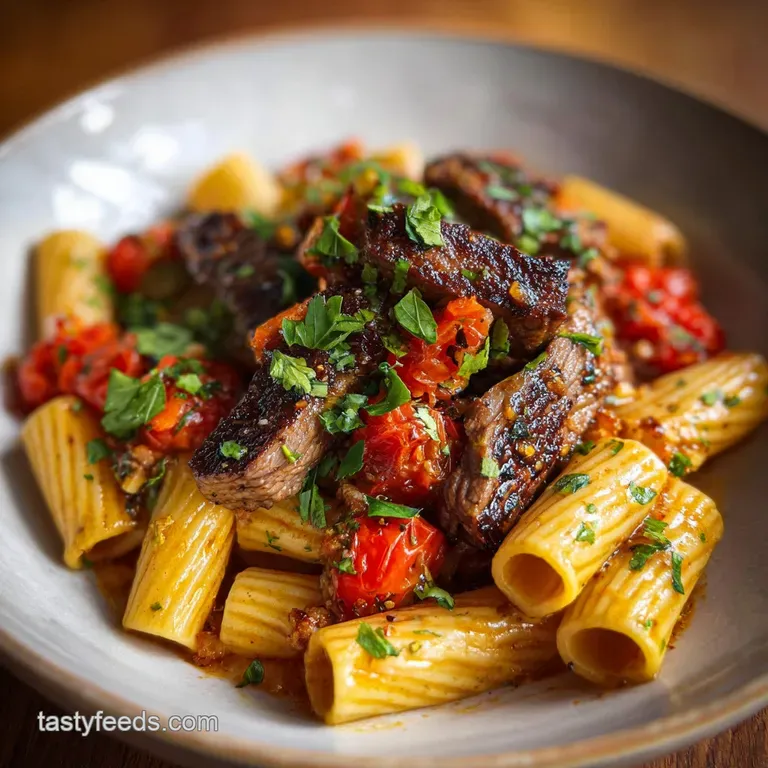
The sound of 1.5 lbs of sirloin steak hitting a hot pan with avocado oil is the best part of my Tuesday. There is this specific sizzle, a sharp and rhythmic crackle, that tells you the crust is forming perfectly.
When you toss in that Cajun seasoning and smoked paprika, the kitchen fills with an aroma that is part backyard barbecue and part French bistro. It is intense, slightly smoky, and absolutely addictive.
I remember the first time I tried making a version of this. I used a cheap thin bottomed pan and low-fat milk because that is all I had. It was a disaster. The "sauce" was watery, the steak was grey and rubbery, and the spices just tasted dusty.
I realized then that if you want that bold flavored, cheesy steak rigatoni experience, you can't cut corners on the fat or the heat. You need the heavy cream to buffer the heat of the Cajun spice, and you need a hot sear to give the beef character.
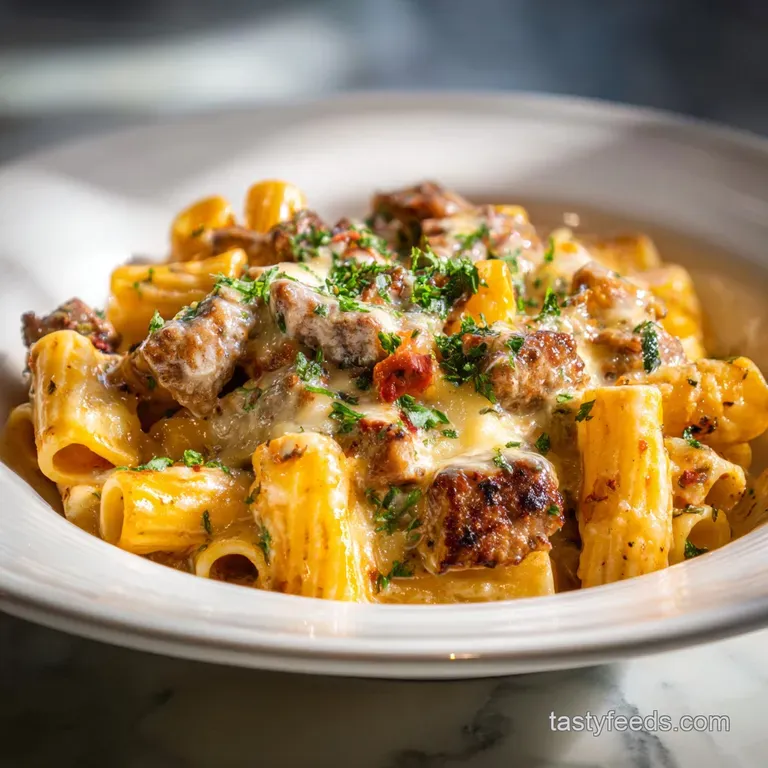
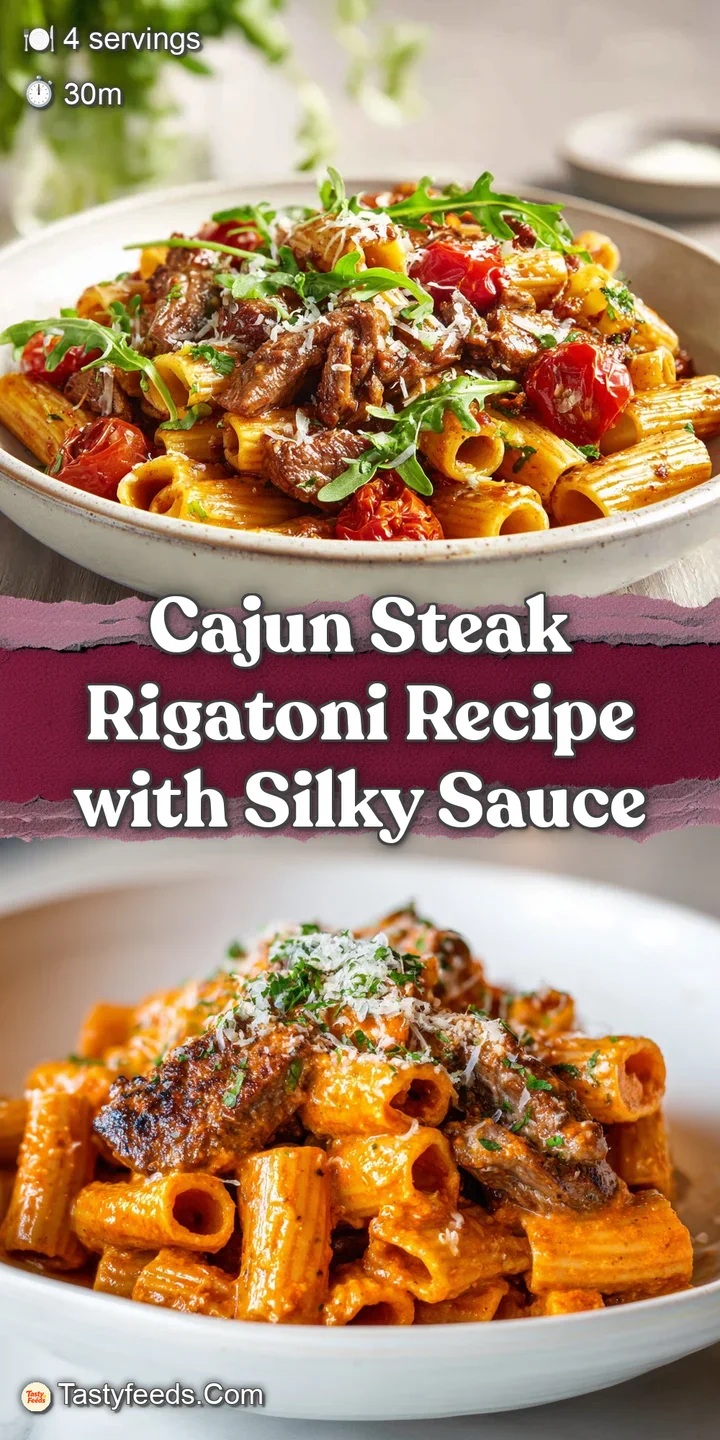
This dish is my go to when I want something that feels expensive but takes less than 30 minutes. We are talking about tender steak cubes, ridges of pasta trapped in a thick, zesty sauce, and enough cheese to make it feel like a real indulgence.
It is simple, it is fast, and it works every single time because we are relying on basic kitchen physics rather than complicated maneuvers.
Science of the Creamy Sauce
The Maillard Reaction: High heat transforms the proteins and sugars on the surface of your 1 inch steak cubes into a brown, flavorful crust. This creates depth that raw or steamed beef simply cannot provide in a quick pasta dish.
Starch Emulsification: Adding 0.5 cup of reserved pasta water introduces starches that act as a bridge between the fat in the heavy cream and the liquid in the sauce. This prevents the dreaded "oil slick" and ensures the cheese clings to the rigatoni ridges.
Casein Stability: By keeping the heat at a simmer rather than a rolling boil when adding the 1 cup of Parmesan and 1 cup of Mozzarella, we prevent the cheese proteins from clumping together. This results in a velvety texture instead of a grainy, stringy mess.
Fast Versus Classic Methods
| Method | Time | Texture | Best For |
|---|---|---|---|
| The 30 Min Fast Way | 30 minutes | Seared steak, silky sauce | Busy weeknights and survival mode |
| The Classic Slow Way | 1 hours 15 mins | Braised beef, reduced stock | Sunday dinners with extra time |
| The One Pot Shortcut | 25 minutes | Softer pasta, thicker starch | Minimal cleanup and maximum speed |
The 30 minute method we are using today is far superior for sirloin, as it keeps the meat tender. If you try to cook sirloin for an hour, it turns into shoe leather. For another perspective on over high heat beef prep, my Pan Seared Steak recipe uses a very similar searing technique that ensures a juicy interior every time.
Component Analysis of Your Ingredients
| Ingredient | Science Role | Pro Secret |
|---|---|---|
| Heavy Cream | Provides a high fat buffer for capsaicin (heat). | Use room temperature cream to prevent the sauce from breaking. |
| Rigatoni | Large surface area and ridges for sauce adherence. | Boil in highly salted water to season the pasta from the inside out. |
| Avocado Oil | High smoke point (520°F) for clean searing. | Don't use extra virgin olive oil here; it will smoke and turn bitter. |
| Lemon Zest | Citric acid cuts through the heavy dairy fats. | Add it at the very end to keep the citrus oils bright and volatile. |
Choosing the right pasta shape is actually a functional decision, not just an aesthetic one. The hollow center of the rigatoni acts like a straw, suctioning up the Cajun cheesy steak rigatoni sauce so every bite is balanced.
Ingredients for Bold Flavor
- 1.5 lbs Sirloin steak: Cut into 1 inch cubes. Why this? Lean but tender, it sears quickly without needing a long braise.
- Substitute: Ribeye cubes for more fat, or chicken breast for a lighter version.
- 2 tbsp Avocado oil: Used for the over high heat sear. Why this? Essential for reaching the high temps needed for a crust without burning.
- Substitute: Grapeseed oil or clarified butter (ghee).
- 2 tbsp Cajun seasoning: The primary flavor profile. Why this? Provides salt, heat, and herb notes in one go.
- Substitute: Old Bay or a mix of cayenne, thyme, and onion powder.
- 1 tsp Smoked paprika: Adds a deep, wood fired notes. Why this? Complements the charred edges of the seared steak.
- Substitute: Regular sweet paprika or a dash of liquid smoke.
- 1 lb Rigatoni pasta: The vessel for the sauce. Why this? The ridges are engineered to hold onto thick cream sauces.
- Substitute: Penne or large shells.
- 2 cups Heavy cream: The base of the velvety sauce. Why this? Higher fat content means the sauce won't curdle when mixed with spices.
- Substitute: Full fat coconut milk (adds a slight nutty sweetness).
- 1 cup Freshly grated Parmesan cheese: Salty, umami rich binder. Why this? Melts smoother than the pre shaken stuff in a green can.
- Substitute: Pecorino Romano (is saltier and more pungent).
- 1 cup Shredded Mozzarella cheese: For that classic cheese pull. Why this? Melts beautifully and balances the sharp Parmesan.
- Substitute: Mild provolone or Monterey Jack.
- 3 cloves Garlic: Minced. Why this? Provides the foundational aromatic layer for the cream.
- Substitute: 1 tsp garlic powder added to the seasoning mix.
- 1 small Shallot: Finely diced. Why this? Gentler than an onion; melts into the sauce better.
- Substitute: The white parts of three green onions.
- 0.5 cup Reserved pasta water: The secret emulsifier. Why this? Bound starch helps the sauce cling to the noodles.
- Substitute: Extra heavy cream (but the sauce may be heavier).
- 0.5 tsp Red pepper flakes: For an extra kick. Why this? Allows you to customize the heat level beyond the Cajun spice.
- Substitute: A dash of your favorite vinegar based hot sauce.
- 0.25 cup Fresh parsley: Chopped. Why this? Adds a necessary hit of freshness to a very rich dish.
- Substitute: Fresh cilantro or sliced chives.
- 1 tsp Lemon zest: Brightness. Why this? Awakens the palate and cuts through the heavy cream.
- Substitute: A small squeeze of fresh lemon juice.
Essential Tools for Quick Success
You don't need a kitchen full of gadgets for this. A solid 12 inch cast iron skillet or a heavy bottomed stainless steel pan is best. These hold heat much better than thin aluminum pans, which is vital when you drop 1.5 lbs of cold meat into them.
If the pan temperature drops too much, the steak will steam instead of searing.
You will also need a large pot for the 1 lb of rigatoni. Make sure it is big enough for the pasta to swim; crowded pasta releases too much starch at once and can become gummy. A simple microplane for the 1 tsp of lemon zest and the garlic cloves will save you time, and a sturdy pair of tongs makes flipping those steak cubes a breeze.
Chef's Tip: Freeze your block of Mozzarella for 10 minutes before grating. It makes it firmer and prevents it from turning into a clump of mush on the grater, giving you those perfect, meltable shreds every time.
Cooking the Perfect Pasta Meal
Searing the Sirloin Tips
- Pat the 1.5 lbs of sirloin steak cubes completely dry with paper towels. Note: Surface moisture creates steam, which prevents a golden brown crust from forming.
- Toss the cubes in a bowl with 1 tbsp of the Cajun seasoning and the 1 tsp of smoked paprika until they are evenly coated.
- Heat the 2 tbsp of avocado oil in your skillet over medium high heat until you see the first wisps of smoke.
- Add the steak in a single layer, ensuring they aren't touching. Cook for 2 minutes until a dark brown crust develops.
- Flip the cubes and cook for another 2 minutes. Remove them from the pan and set them aside on a plate; they will continue to cook slightly from carryover heat.
Building the Creamy Base
- In a large pot, boil the 1 lb of rigatoni in salted water according to package directions, but remove it 1 minute early. Reserve 0.5 cup of pasta water before draining.
- In the same skillet used for the steak (don't wash it!), lower the heat to medium and add the diced shallot. Sauté for 2 minutes until translucent and soft.
- Add the 3 cloves of minced garlic and 0.5 tsp red pepper flakes. Stir for 30 seconds until the garlic is fragrant but not brown.
- Pour in the 2 cups of heavy cream and the remaining 1 tbsp of Cajun seasoning. Bring to a gentle simmer for 3 minutes until the sauce slightly thickens.
Finishing with Cheese
- Whisk in the 1 cup of Parmesan and 1 cup of Mozzarella slowly. Stir until the cheese is fully melted and velvety.
- Toss the cooked rigatoni and the seared steak (plus any juices from the plate) into the sauce. Add the 0.5 cup of reserved pasta water.
- Stir over low heat for 2 minutes until the sauce coats every piece of pasta.
- Remove from heat and stir in the 0.25 cup of fresh parsley and the 1 tsp of lemon zest. Serve immediately while it is piping hot.
Solving Common Cooking Errors
Fixing Grainy Cheese Sauce
One of the biggest frustrations is a sauce that looks "split" or feels gritty on the tongue. This usually happens if the heat is too high when the cheese is added, causing the proteins to tighten into clumps. If this happens, don't panic.
Remove the pan from the heat entirely and add a tablespoon of the reserved pasta water. Whisk vigorously. The starch and the drop in temperature often help the emulsion pull back together.
Avoiding Tough Beef Bites
Sirloin is a great cut, but it can turn tough if overhandled. If your steak feels like rubber, you likely crowded the pan. When too many cubes are in the skillet at once, the temperature drops, and the meat boils in its own juices. Work in two batches if your pan is small.
| Problem | Root Cause | Solution |
|---|---|---|
| Thin, watery sauce | Not enough reduction or missing pasta water starch. | Simmer for 2 extra minutes or add a handful more Parmesan. |
| Steak is grey/no crust | Pan wasn't hot enough or meat was wet. | Wait for the oil to shimmer/smoke before adding meat. |
| Sauce is too salty | Cajun seasoning and Parmesan both have high salt. | Use low sodium Cajun spice or skip salting the cream. |
Common Mistakes Checklist ✓ Pat the steak bone dry before seasoning (moisture is the enemy of the sear). ✓ Never skip the pasta water; it is the glue that holds the Cajun steak rigatoni sauce together.
✓ Grate your own cheese; pre shredded bags are coated in cellulose which prevents a smooth melt. ✓ Add the lemon zest at the very end to keep the flavor from becoming bitter under heat. ✓ Let the steak cubes sit at room temp for 15 minutes before cooking to ensure an even sear.
Simple Recipe Variation Ideas
If you want to lean into the "Holy Trinity" of Cajun cooking, you can add diced bell peppers and celery along with the shallots. This adds a nice crunch and a more traditional Louisiana flavor profile. Just make sure to sauté them until they are quite soft so they don't disrupt the velvety texture of the sauce.
For a lighter twist, you can use a mix of half heavy cream and half chicken stock. You will need to simmer it longer to reach the same thickness, but it cuts down on the richness significantly. If you are feeding a crowd, this recipe scales beautifully.
- If you want it spicier: Add a tablespoon of diced jalapeños with the garlic.
- If you want it extra cheesy: Top the finished dish with extra Mozzarella and broil for 2 minutes.
- If you want it leaner: Use flank steak sliced thin against the grain instead of sirloin cubes.
Storage and Reheating Tips
Fridge: Store leftovers in an airtight container for up to 3 days. The pasta will continue to absorb the sauce as it sits, so it might look a bit dry the next day. Freezer: I don't recommend freezing this dish.
The heavy cream and cheese sauce will likely "break" or separate upon thawing, resulting in a grainy texture that is hard to fix.
Reheating: This is the tricky part. Do not just throw it in the microwave on high. Instead, put the pasta in a skillet over low heat with a splash of milk or extra cream. Stir gently as it warms up. The extra liquid will help reconstitute the sauce into that silky state you had when it was fresh.
Zero Waste: If you have leftover Cajun steak tips but no pasta, they make an incredible topping for a salad the next day. Any leftover parsley stems can be tossed into a freezer bag for making homemade stock later.
Best Sides for Steak Pasta
Since this Cajun steak rigatoni is quite heavy and rich, you want sides that provide a sharp contrast. A simple green salad with a very acidic vinaigrette (think apple cider vinegar or lots of lemon) works wonders to cleanse the palate between bites.
Steamed broccoli or roasted asparagus with a bit of char also pair well, as the bitterness of the greens cuts through the fat of the heavy cream and mozzarella. If you really want to go all out, a piece of crusty sourdough bread is perfect for mopping up the extra sauce at the bottom of the bowl.
Trust me, you won't want to leave a single drop of that Cajun cheesy steak rigatoni sauce behind.
Very High in Sodium
1420 mg mg of sodium per serving (62% of daily value)
The American Heart Association recommends limiting sodium intake to about 2,300mg per day for optimal heart health.
Sodium Reduction Tips for Cajun Steak Pasta:
-
Reduce Parmesan-15%
Parmesan cheese is a significant source of sodium. Reduce the amount of Parmesan by half, or substitute with a low-sodium cheese alternative. This will significantly lower the overall sodium content.
-
DIY Cajun Spice-20%
Pre-made Cajun seasoning is often high in sodium. Create your own blend using herbs and spices like paprika, garlic powder, onion powder, cayenne pepper, and black pepper. Control the sodium levels by omitting salt.
-
Rinse Pasta Water-10%
While reserved pasta water is useful, it does contain sodium. Use only what is needed for the sauce's consistency and avoid adding excess amounts. Also, consider using regular water instead of pasta water.
-
Unseasoned Steak-10%
Use unseasoned sirloin steak. This lets you control the amount of sodium added.
-
Fresh Flavors
Enhance the dish's flavor with fresh herbs and spices like parsley, lemon zest, and garlic. These additions contribute flavor without adding any sodium.
Recipe FAQs
Is it necessary to use a heavy bottomed pan for searing the steak?
Yes, high heat retention is crucial. Thin pans lose temperature quickly when cold steak is added, causing the meat to steam rather than form a proper Maillard crust.
What is the function of reserved pasta water in this sauce?
It acts as the emulsifying agent. The starch dissolved in the water bridges the fat from the heavy cream and the liquid, preventing the sauce from splitting.
Can I substitute heavy cream with milk to lighten the sauce?
No, heavy cream is strongly recommended for stability. Milk has a much lower fat content, which increases the risk of the cheese proteins separating and resulting in a grainy texture.
How to prevent the steak cubes from becoming tough during searing?
Sear the sirloin cubes in batches without crowding the pan. This ensures the pan temperature stays high enough for a quick sear, which keeps the interior of the meat tender.
Is it true that pre-shredded cheese melts better than block cheese in this recipe?
No, block cheese melts significantly smoother. Pre-shredded cheese contains anti caking agents like cellulose, which inhibit smooth dissolution into the cream sauce.
How long should the steak sit out before cooking for the best sear?
Allow the steak to rest at room temperature for about 15 minutes. Bringing the meat closer to room temperature ensures an even sear across all surfaces instead of just the edges.
When should the lemon zest be added to maximize its flavor impact?
Stir the lemon zest in after removing the skillet from the heat. Adding it during high heat cooking can cause the delicate citrus oils to evaporate or turn bitter.
Cajun Steak Rigatoni Quick
Ingredients:
Instructions:
Nutrition Facts:
| Calories | 1406 kcal |
|---|---|
| Protein | 65 g |
| Fat | 81 g |
| Carbs | 94 g |
| Fiber | 4 g |
| Sugar | 5 g |
| Sodium | 1420 mg |
