Brown Butter Chocolate Chip Cookies
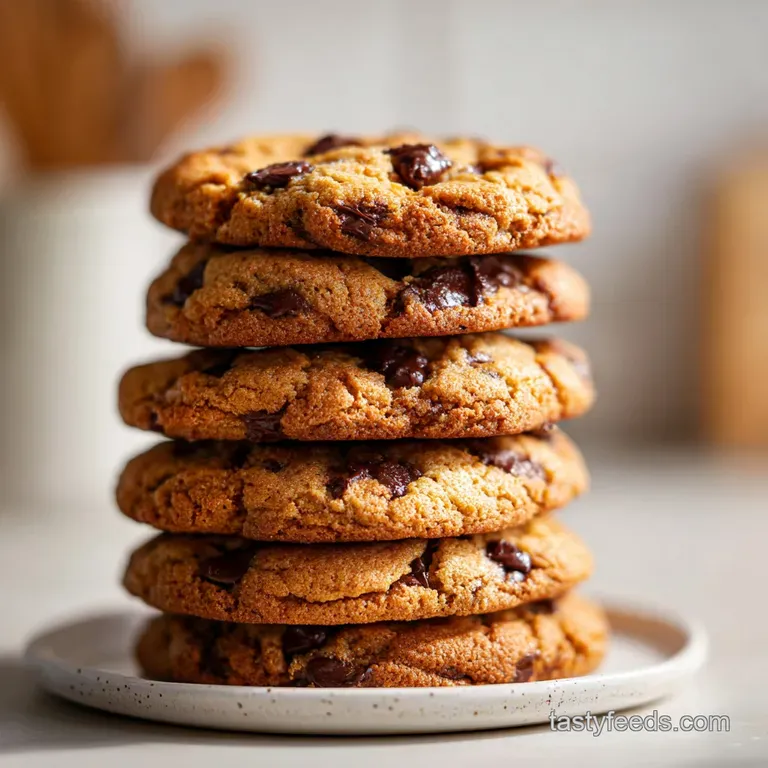
- Time: Active 35 minutes, Passive 10 minutes, Total 45 minutes
- Flavor/Texture Hook: Toasted hazelnut undertones with a shattering crisp edge
- Perfect for: Gift boxes, holiday gatherings, or a cozy weekend treat
- The Secret Chemistry of Amber Butter Solids
- The Molecular Breakdown of Key Ingredients
- The Elements for Chocolate Chip Cookies
- Essential Tools for Baking Success
- From Toasting Butter to the Perfect Bake
- Fixing Common Cookie Crumbles
- Creative Twists and Flavor Swaps
- Adjusting the Batch Size
- Debunking the Baking Rumors
- Storage Guidelines and Zero Waste
- Serving Suggestions for the Perfect Moment
- Recipe FAQs
- 📝 Recipe Card
The Secret Chemistry of Amber Butter Solids
Maillard Reaction: The process of browning butter creates new flavor compounds through the reaction of amino acids and reducing sugars, resulting in that signature nutty aroma.
Hydration Restoration: Adding an ice cube to hot brown butter replaces the moisture lost through evaporation, ensuring the dough has enough liquid to hydrate the flour properly.
Sugar Recrystallization: Using a high ratio of dark brown sugar introduces molasses, which absorbs moisture from the air and keeps the cookie centers soft and fudgy for days.
Fat Suspension: Melting the butter instead of creaming it creates a denser, more chewy crumb because it doesn't incorporate as much air into the structure.
| Method | Time | Texture | Best For |
|---|---|---|---|
| Melt & Mix | 45 minutes | Chewy and dense | Quick cravings and deep flavor |
| Creamed Butter | 60 minutes | Cakey and light | Traditional bakery style texture |
| 24 Hour Chill | 25 hours | Deeply caramelized | Maximum flavor and thickest edges |
When you choose the melt and mix method for these brown butter chocolate chip cookies, you're opting for a rich, toffee like experience. If you’re ever in the mood for something different, like a vibrant twist on a classic, you might want to see how the texture compares to my Fudgy Matcha Brownie recipe. Both rely on high-quality fats to carry the flavor, but the cookies offer that specific crunch that only brown butter can provide.
The Molecular Breakdown of Key Ingredients
| Ingredient | Science Role | Pro Secret |
|---|---|---|
| European Butter | High fat content | Use a brand with at least 82% butterfat for a creamier mouthfeel. |
| Dark Brown Sugar | Humectant | Pack it tightly to ensure the molasses content provides that fudgy, soft center. |
| Vanilla Bean Paste | Aromatic | The tiny black specks add visual appeal and a more intense floral scent. |
| Baking Soda | Leavening & Browning | It reacts with the acidic brown sugar to create lift and aid the Maillard reaction. |
Between these tables, it's important to remember that baking is as much about feeling as it is about numbers. While the science tells us why the butter browns, your nose will tell you exactly when to pull it off the heat.
You're looking for that specific moment when the foam subsides and the scent shifts from "milky" to "toasty."
| Fresh Components | Shortcut Options | Flavor Impact |
|---|---|---|
| Hand Chopped Dark Chocolate | Standard Chips | Chips hold their shape, while chopped bars create "puddles" of chocolate. |
| Vanilla Bean Paste | Vanilla Extract | Paste offers a deeper, more complex floral note and beautiful specks. |
| European Butter | Standard Butter | Standard butter has more water, which may lead to a slightly thinner cookie. |
The Elements for Chocolate Chip Cookies
- 225g European style unsalted butter: Why this? Higher fat content means less water and more flavorful toasted milk solids.
- 20g ice cube (approx. 1 large): Why this? It instantly cools the butter and replaces evaporated water for perfect dough hydration.
- 200g dark brown sugar, packed: Why this? High molasses content creates a chewy, toffee like texture and deep color.
- 100g granulated sugar: Why this? Provides the structural support for those crispy, shattering edges we love.
- 1 large egg, room temperature: Why this? Bonds the fats and liquids together into a smooth, stable emulsion.
- 1 large egg yolk, room temperature: Why this? The extra fat from the yolk adds a velvety richness to the dough.
- 1 tbsp vanilla bean paste: Why this? Offers a concentrated burst of flavor that stands up to the dark chocolate.
- 325g all purpose flour: Why this? The medium protein content provides enough structure without making the cookies tough.
- 1 tsp kosher salt: Why this? It cuts through the sugar and makes the chocolate flavors pop.
- 1 tsp baking soda: Why this? Helps the cookies spread just enough and creates a beautiful golden brown finish.
- 150g semi sweet chocolate chips: Why this? These provide consistent bites of sweetness throughout the entire cookie.
- 100g 70% dark chocolate bar, roughly chopped: Why this? Creates varying sizes of melted chocolate "pools" for a gourmet experience.
- 1 tsp flaky sea salt: Why this? The finishing touch that balances the sweetness and adds a delicate crunch.
Essential Tools for Baking Success
You don't need a professional kitchen to make these, but a few specific tools make the process much smoother. I always reach for my light colored stainless steel skillet for the butter.
If you use a dark coated pan, you won't be able to see the color of the milk solids changing, and you'll likely end up with burnt, bitter butter.
A sturdy whisk and a silicone spatula are your best friends here. You’ll also want a standard cookie scoop (about 3 tablespoons in size) to ensure every cookie is the same weight, which guarantees they all bake at the same rate.
Finally, heavy duty baking sheets (like the ones from Nordic Ware) prevent the bottoms from browning too quickly before the centers are set.
From Toasting Butter to the Perfect Bake
- Brown the butter. Place the 225g of butter in a light colored skillet over medium heat. Note: Stir constantly to ensure the milk solids brown evenly without sticking.
- Add the ice. Once the butter is amber and smells like toasted nuts, remove from heat and whisk in the 20g ice cube. Watch for the sizzle and steam as the water incorporates back into the fat.
- Combine the sugars. Pour the warm butter into a large bowl and whisk in the 200g dark brown sugar and 100g granulated sugar. The aroma will shift to a deep caramel as the sugar begins to melt.
- Emulsify the eggs. Add the room temperature egg, egg yolk, and 1 tbsp vanilla bean paste. Whisk vigorously for 2 full minutes until the mixture looks pale and shiny.
- Mix the dry ingredients. In a separate bowl, whisk together the 325g flour, 1 tsp salt, and 1 tsp baking soda.
- Fold gently. Gradually add the flour mixture to the wet ingredients using a spatula. Stop as soon as no white streaks remain to avoid overworking the gluten.
- Incorporate the chocolate. Fold in the 150g chips and 100g of chopped dark chocolate.
- Scoop and chill. Use a scoop to form 18 dough balls. Note: Chilling for even 30 minutes helps the flour hydrate and prevents excessive spreading.
- Preheat and prep. Set your oven to 350°F and line two baking sheets with parchment paper.
- Bake until golden. Place dough balls 3 inches apart and bake for 10 minutes until the edges are set and the kitchen smells like a chocolate factory.
- Finish with salt. Remove from the oven and immediately sprinkle with the 1 tsp of flaky sea salt while the chocolate is still melted.
Chef's Tip: If your cookies come out slightly irregular in shape, use a large round glass or cookie cutter to "scoot" the warm cookies into perfect circles immediately after they leave the oven.
Fixing Common Cookie Crumbles
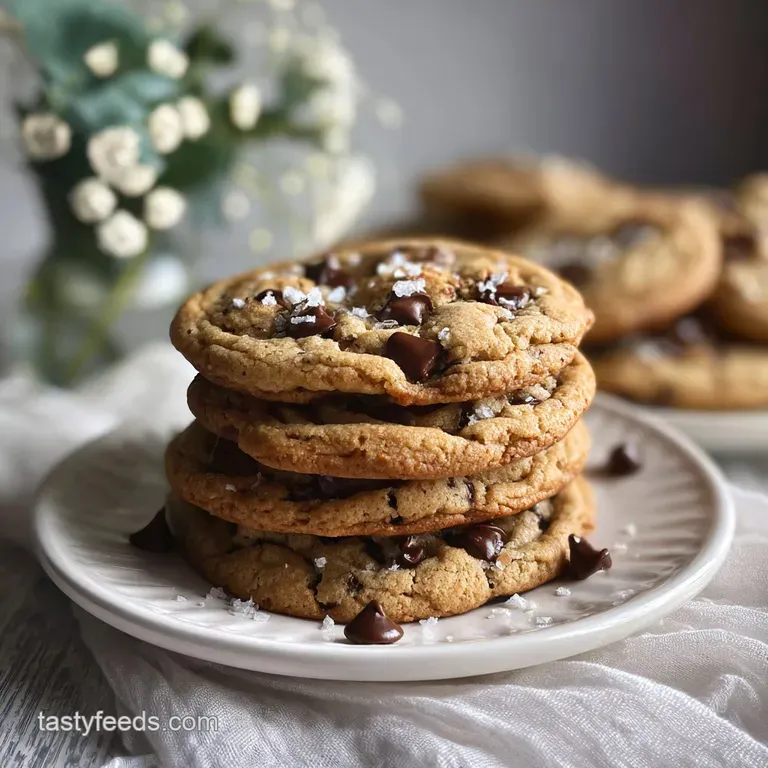
Why Your Cookies Spread Too Much
It is incredibly frustrating when your beautiful dough balls turn into one giant thin pancake. Usually, this happens if the butter was too hot when you added the sugars, or if the dough wasn't chilled long enough. If the fat is too liquid, it won't hold the structure of the flour as the oven heat hits it.
Always make sure your dough feels firm to the touch before it goes into the oven.
Why the Butter Burned
There is a very fine line between "browned" and "burnt." If those little black specks look like charcoal and the smell is acrid instead of nutty, you've gone too far. This usually happens if the heat is too high or if you stop stirring. The milk solids settle at the bottom and catch the heat quickly.
If this happens, you have to start over bitter butter will ruin the entire batch of brown butter chocolate chip cookies.
| Problem | Root Cause | Solution |
|---|---|---|
| Greasy texture | Butter wasn't emulsified | Whisk the sugar and eggs for the full 2 minutes until pale. |
| Dry, crumbly dough | Too much flour | Use a kitchen scale to measure the 325g precisely. |
| No chocolate puddles | Used only small chips | Use a chopped 70% dark chocolate bar for those melty pools. |
Common Mistakes Checklist ✓ Always use room temperature eggs to ensure they bond with the butter properly. ✓ Don't skip the ice cube; it's vital for replacing the lost moisture in the butter. ✓ Use a light colored pan for browning so you can actually see the color change.
✓ Let the cookies rest on the baking sheet for 5 minutes before moving them to a rack. ✓ Make sure your baking soda is fresh (less than 6 months old) for the best rise.
Creative Twists and Flavor Swaps
If you want to add a bit of crunch, try adding half a cup of toasted pecans or walnuts. The bitterness of the nuts plays beautifully against the sweetness of the dark brown sugar. For a more sophisticated vibe, you can add 1 teaspoon of espresso powder to the dry ingredients; it deepens the chocolate flavor without making the cookies taste like coffee.
Some people love a bit of toffee. Adding 50g of toffee bits along with the chocolate chips creates a "triple threat" of caramelization. If you find yourself craving something a bit more nostalgic but don't want to turn on the oven, you can actually use the base logic of this recipe for my Edible Cookie Dough recipe. Just remember to heat treat your flour first!
Adjusting the Batch Size
Scaling Down (Making 9 cookies): When cutting this recipe in half, use one large egg yolk and skip the whole egg. Use 112g of butter and 162g of flour. You may need to reduce the baking time by about 1 minute since the smaller volume of dough in the bowl might stay slightly cooler.
Scaling Up (Making 36 cookies): Double everything exactly except for the salt and baking soda. Use 1.5 teaspoons of each instead of 2 to avoid a metallic aftertaste. You will need to bake these in multiple batches.
Do not try to crowd two sheets on one oven rack, as it disrupts the airflow and leads to uneven browning.
Debunking the Baking Rumors
One common misconception is that you must chill cookie dough for 24 to 72 hours for it to be "good." While chilling does deepen the flavor, this specific recipe is designed to be excellent even with a short 30 minute rest.
The brown butter already provides the depth that usually takes hours of aging to achieve in traditional recipes.
Another myth is that you can't over mix cookie dough. Once you add the flour, every stroke of the spatula develops gluten. Too much gluten turns a tender, chewy cookie into something tough and bread like. Mix just until the flour disappears, then put the spatula down!
Storage Guidelines and Zero Waste
Storage: These cookies stay fresh in an airtight container at room temperature for up to 5 days. I like to put a small piece of white bread in the container; the cookies will absorb the moisture from the bread and stay soft much longer.
Freezing: You can freeze the baked cookies for up to 3 months. However, the best method is to freeze the raw dough balls on a tray, then transfer them to a freezer bag. You can bake them straight from frozen just add 2 minutes to the total bake time.
Zero Waste: If you end up with cookie crumbs at the bottom of the container, don't throw them away! Save them in a jar in the freezer to use as a topping for vanilla ice cream or to fold into a cheesecake crust. Even the "mistake" cookies that might have flattened too much can be pulsed in a food blender and used as a base for other desserts like my Cherry Chip Cake Recipe.
Serving Suggestions for the Perfect Moment
These cookies are a masterpiece on their own, but they are transcendent when paired with a cold glass of whole milk or a hot oat milk latte. If you're hosting a dinner, serve them warm with a scoop of high-quality vanilla bean ice cream. The contrast between the cold cream and the hot, melty chocolate is pure heaven.
For a fun dessert board, pair these with a few slices of sharp cheddar cheese (trust me on this one, the salty sweet combo is incredible) or some fresh raspberries. If you're looking for something a bit more substantial to serve alongside a sweet spread, the rustic texture of a Hoe Cake Recipe provides a wonderful corn based contrast to the rich chocolate. Whatever you choose, these cookies are sure to be the star of the show.
Recipe FAQs
Must I chill brown butter cookie dough before baking?
No, but chilling is recommended. Chilling for 30 minutes helps the flour hydrate, which prevents excessive spreading and results in a slightly thicker cookie.
How do I know my brown butter is ready?
Remove from heat when the milk solids turn dark amber and the aroma is distinctly nutty. Stop stirring right as the foam subsides and before the solids turn black, which indicates burning.
Why do recipes call for both brown and granulated sugar?
Yes, both are necessary for structure and texture balance. Dark brown sugar provides chewiness and moisture due to its molasses content, while granulated sugar helps the edges spread and achieve a necessary crispness.
How to prevent the cookies from spreading into thin discs?
Chill the scooped dough balls for at least 30 minutes before baking. Also, ensure your oven temperature is accurate; if the fat melts before the flour sets, the cookies will spread too much.
Is it true that using melted butter ruins the cookie texture?
No, melted butter creates a chewier cookie than creamed butter. Melting the butter suspends the flour differently and incorporates less air, leading to that dense, fudgy center characteristic of brown butter cookies.
Can I substitute European butter for standard unsalted butter?
You can, but European butter is superior for browning. It has a higher fat content (less water), meaning you get more flavorful toasted milk solids and less sputtering steam when you brown it.
How should I store leftover baked cookies to maintain freshness?
Store them in an airtight container at room temperature. For maximum softness, place a small piece of white bread in the container; the cookies will absorb the bread’s moisture to stay soft for days.
Brown Butter Cookies Recipe
Ingredients:
Instructions:
Nutrition Facts:
| Calories | 302 kcal |
|---|---|
| Protein | 3.2 g |
| Fat | 15.4 g |
| Carbs | 38.8 g |
| Fiber | 1.8 g |
| Sugar | 28.2 g |
| Sodium | 178 mg |
