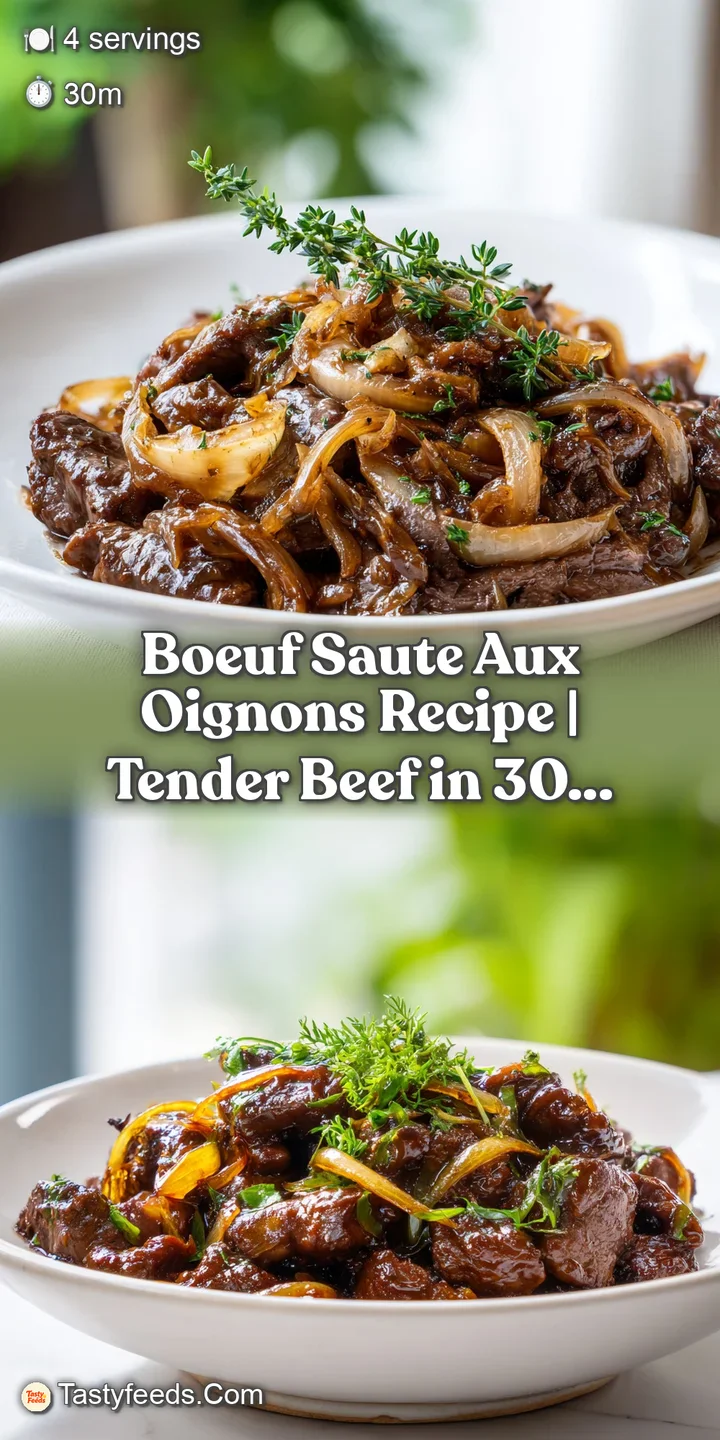
Boeuf Sauté Aux Oignons: Silky Beef
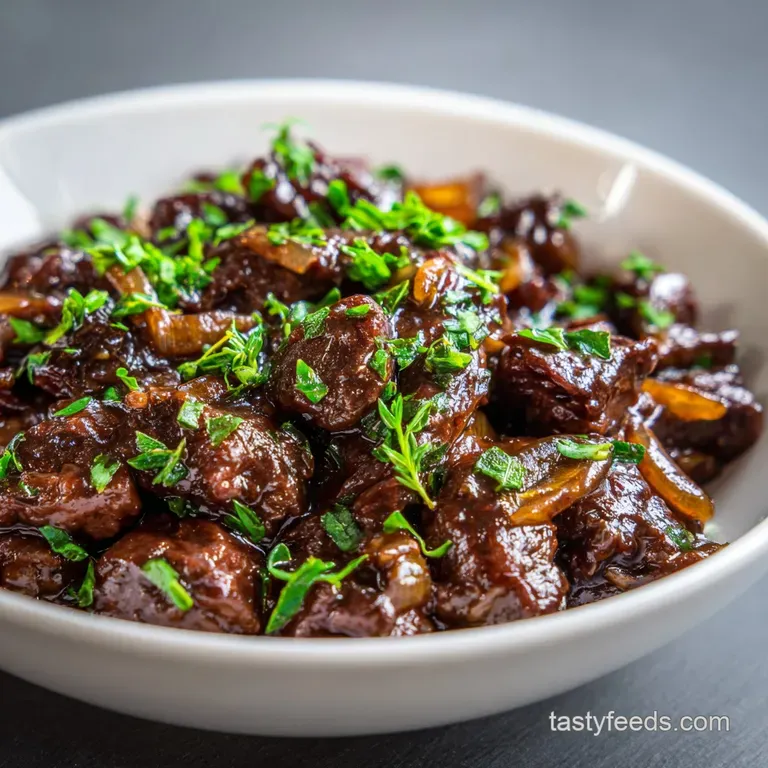
- Time: Active 20 mins, Passive 10 mins, Total 30 mins
- Flavor/Texture Hook: Silky, savory beef with charred, sweet onions
- Perfect for: High speed weeknight dinners and meal prep
- Master This Boeuf Sauté Aux Oignons
- Essential Recipe Strategy
- The Chemistry of Tender Beef
- Analyzing the Flavor Components
- The Building Blocks
- Necessary Kitchen Gear
- How to Make It
- Troubleshooting Common Problems
- Simple Swaps and Twists
- Storage and Waste Tips
- Best Serving Suggestions
- Recipe FAQs
- 📝 Recipe Card
Master This Boeuf Sauté Aux Oignons
The first time I tried making this, I ended up with a pile of grey, rubbery meat that looked more like it had been boiled than sautéed. It was a disaster. I realized I was missing two things: high heat and the "velveting" trick.
Now, when I throw that marinated beef into a screaming hot pan, the sizzle is immediate and the aroma of ginger and toasted sesame fills the whole kitchen.
You’re going to love this because it’s fast. We aren't doing any long braises or complicated reductions here. This is about bold flavors hitting a hot surface and coming together in minutes.
It’s the kind of meal you make when you've had a long day and need something that actually tastes like effort without the hour long cleanup.
We’re using 1.3 lbs of beef sirloin and three massive onions. It might look like too many onions at first, but trust me, they wilt down into this sweet, savory jam that coats the meat. It’s simple, it’s effective, and it’s going to become one of your regular rotations.
Essential Recipe Strategy
To get this right, you need to think about the timing. This isn't a "stirrable" stew; it’s a series of quick, intense heat applications. If you move too slow, the onions get soggy. If you move too fast without prepping, the garlic burns.
| Cooking Method | Total Time | Texture | Best For |
|---|---|---|---|
| Stovetop (Wok) | 10 mins | Seared, smoky edges | Maximum flavor, authentic texture |
| Stovetop (Skillet) | 12 mins | Evenly browned | Home cooks without a wok |
| Oven (Broil) | 8 mins | Crispy tips | Hands off, small batches |
When choosing your method, the stovetop is king. The high heat allows the 2 tbsp of neutral vegetable oil to shimmer and sear the meat before it has a chance to release its juices and steam. If you try to do this in a slow oven, you’ll lose that velvety texture we’re aiming for.
The Chemistry of Tender Beef
Alkaline Tenderization: The 1 tbsp of Shaoxing rice wine and cornstarch raises the meat's pH, which prevents the protein fibers from tightening up and squeezing out moisture when they hit the heat.
Maillard Reaction Control: By adding 1 tsp of granulated sugar to the sauce, we're accelerating the browning of the onions, creating a deep flavor profile in a fraction of the usual caramelization time.
Analyzing the Flavor Components
| Ingredient | Science Role | Pro Secret |
|---|---|---|
| Cornstarch (1 tbsp) | Moisture Barrier | Acts as a physical shield against over high heat drying. |
| Shaoxing Wine (1 tbsp) | Protein Relaxant | Breaks down tough fibers while adding a nutty aroma. |
| Yellow Onions (3 large) | Natural Sweetener | Releases sugars that thicken the sauce as they soften. |
Using the right ingredients makes a massive difference in the final result. For example, using low sodium soy sauce (2 tbsp) allows you to control the saltiness while still getting that deep color. If you only have regular soy sauce, cut it with a splash of water so it doesn't overwhelm the beef.
The Building Blocks
- 1.3 lbs beef sirloin: Sliced thinly against the grain. Why this? Sirloin is lean but flavorful; slicing against grain ensures it's never chewy.
- 2 tbsp low sodium soy sauce: Use a good brand like Kikkoman. Why this? Provides the salt and umami base for the marinade.
- 1 tbsp cornstarch: The secret to the "velvety" feel. Why this? It creates a light coating that thickens the sauce instantly.
- 1 tbsp Shaoxing rice wine: Dry sherry is a great backup. Why this? Essential for that authentic, slightly fermented depth of flavor.
- 1 tsp toasted sesame oil: A little goes a long way. Why this? Adds an aromatic, nutty finish to the raw beef.
- 0.5 tsp black pepper: Freshly cracked is best. Why this? Adds a subtle heat that cuts through the rich soy sauce.
- 3 large yellow onions: Sliced into thin half moons. Why this? They provide the bulk and sweetness of the dish.
- 3 cloves garlic: Minced finely. Why this? Aromatics that bridge the gap between beef and onion.
- 1 inch fresh ginger: Grated. Why this? Provides a bright, zesty counterpoint to the heavy savory notes.
- 2 tbsp neutral vegetable oil: Canola or grapeseed works well. Why this? High smoke point is non negotiable for this sauté.
- 1 tbsp oyster sauce: This adds the glossy finish. Why this? It's a thick, savory syrup that binds everything together.
- 1 tsp granulated sugar: Just a pinch. Why this? Balances the salt and helps the onions brown faster.
- 2 tbsp beef stock or water: To deglaze the pan. Why this? Creates just enough steam to finish the onions without boiling them.
Chef's Tip: Freeze your beef for 15 minutes before slicing. It firms up the fat and muscle, letting you get those paper thin strips that cook in seconds.
Necessary Kitchen Gear
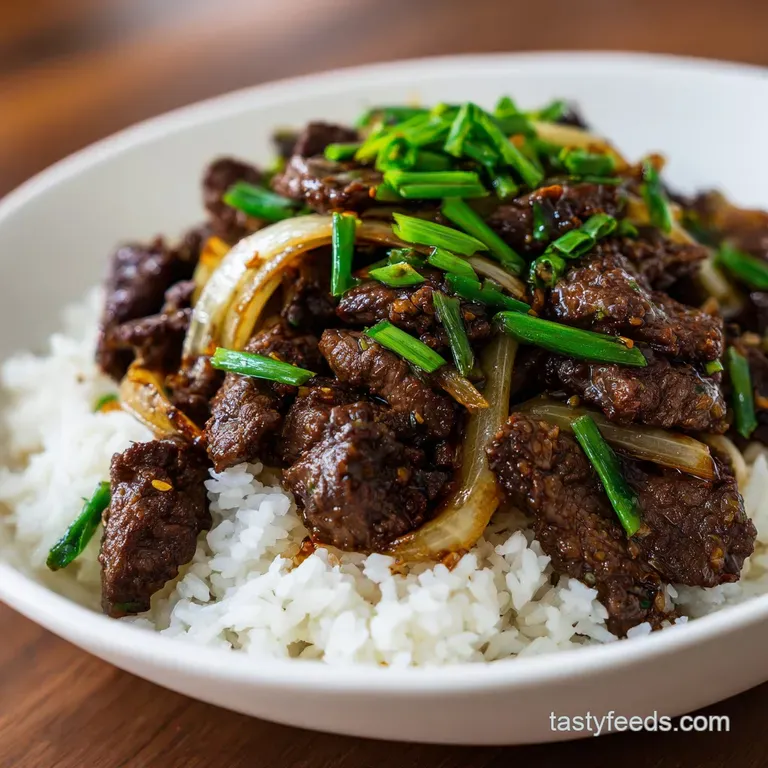
For a successful boeuf sauté aux oignons, you need a vessel that holds heat. A carbon steel wok is the gold standard here because it responds to temperature changes instantly. If you don't have one, a heavy 12 inch cast iron skillet (like a Lodge) is your next best bet.
You want a wide surface area so the 1.3 lbs of beef can sear in a single layer rather than steaming in its own pile.
How to Make It
Phase 1: The Velveting Prep
- Slice the beef. Cut the 1.3 lbs of sirloin into thin strips, ensuring you are cutting across the muscle fibers.
- Marinate the meat. In a bowl, combine the beef with 2 tbsp soy sauce, 1 tbsp cornstarch, 1 tbsp Shaoxing wine, 1 tsp sesame oil, and 0.5 tsp black pepper.
- Rest the beef. Let it sit for at least 15 minutes. Note: This gives the cornstarch time to bond with the meat's surface.
- Prep the veg. While the beef rests, slice your 3 large onions and mince the 3 cloves of garlic and 1 inch of ginger.
Phase 2: Searing the Beef
- Heat the pan. Add 1 tbsp of neutral oil to your skillet over high heat until it starts to wispy smoke.
- Sear the beef. Spread the beef in a single layer. Let it sit for 60 seconds without moving it until a dark crust forms.
- Flip and remove. Toss for another 30 seconds, then immediately remove the beef to a plate. It should be about 80% cooked.
Phase 3: The Onion Base
- Sauté the aromatics. Add the remaining 1 tbsp of oil, then throw in the onions. Sauté for 3 minutes until the edges turn golden brown.
- Add flavor. Stir in the garlic, ginger, 1 tbsp oyster sauce, 1 tsp sugar, and 2 tbsp beef stock.
Phase 4: The Final Finish
- Combine and serve. Return the beef to the pan. Toss everything together for 1 minute until the sauce is glossy and thick.
| Original Ingredient | Substitute | Why It Works |
|---|---|---|
| Shaoxing Rice Wine | Dry Sherry | Similar acidity and alcohol content to tenderize meat. |
| Oyster Sauce | Hoisin Sauce | Provides the same thickness. Note: Much sweeter, so omit the sugar. |
| Beef Sirloin | Flank Steak | Great beefy flavor. Note: Must be sliced very thin to avoid toughness. |
Troubleshooting Common Problems
Why is my beef tough?
If the beef is chewy, you likely sliced it with the grain instead of against it. When you cut against the grain, you're shortening the muscle fibers, making them easier to break down. Another cause is overcooking; sirloin only needs about 90 seconds of total contact with a hot pan.
Why is there too much liquid?
If your pan looks like a soup, you probably crowded it. When too much cold meat hits the pan at once, the temperature drops, and the meat releases water instead of searing. Work in two batches if your skillet isn't large enough to keep everything in a single layer.
| Problem | Root Cause | Solution |
|---|---|---|
| Grey Meat | Low pan temp | Wait for the oil to smoke before adding beef. |
| Soggy Onions | Too much stock | Add liquid 1 tbsp at a time; you want steam, not a boil. |
| Burnt Garlic | Added too early | Always add garlic after the onions have softened slightly. |
✓ Pat the beef dry with a paper towel if it looks wet before marinating. ✓ Ensure the onions are sliced to a uniform thickness for even cooking. ✓ Use a high smoke point oil (avoid extra virgin olive oil for this). ✓ Don't skip the sugar; it’s the catalyst for the onion's deep color.
Simple Swaps and Twists
Scaling for a Crowd
If you're doubling this recipe to 8 servings, don't just throw 2.6 lbs of beef in the pan. You must cook the meat in at least three separate batches. For the sauce, keep the spices to 1.5x the original amount and adjust to taste at the end. If you double the liquid exactly, the dish will likely become too watery.
Make it Spicy
If you want some heat, toss in a tablespoon of chili garlic sauce or some dried red pepper flakes when you add the ginger. This cuts through the sweetness of the caramelized onions beautifully.
The Cookeo Method
For a boeuf sauté aux oignons cookeo version, use the browning function for the beef and onions separately. Do not pressure cook the beef, or you will lose that velvety texture; simply use the machine as a over high heat sauté pan.
Storage and Waste Tips
Fridge Life: Store leftovers in an airtight container for up to 3 days. The onions actually get better as they sit in the sauce, though the beef might lose some of its "shatter" on the edges. Zero Waste: Don't throw away the onion skins or the ginger peels!
Toss them into a freezer bag. Once you have a full bag, boil them with some water and salt to make a quick vegetable base for soups. If you have leftover sauce in the pan, toss in some cold leftover rice to soak up every bit of that umami.
Best Serving Suggestions
This dish is traditionally served over steaming white jasmine rice to soak up that glossy sauce. If you want to keep it lighter, it works surprisingly well over cauliflower rice or even tucked into lettuce wraps with a little extra lime juice.
Since this is a rich, savory dish, a side of quick pickled cucumbers or a simple smashed cucumber salad provides a necessary acidic crunch. The contrast between the velvety beef and the cold, crisp cucumbers is what makes this a complete "survival" meal in my house.
I've also seen people serve this with a side of sautéed bok choy or snap peas. Whatever you choose, make sure it’s ready before the beef hits the pan, because once you start cooking, this boeuf sauté aux oignons moves fast!
Recipe FAQs
Is the velveting technique mandatory for tender beef?
Yes, it is essential for this texture. The cornstarch and Shaoxing wine raise the pH and protect the protein fibers from tightening up when they hit the high heat.
How to slice the beef sirloin for this sauté?
Slice it thinly against the grain. Freezing the meat for 15 minutes before slicing firms it up, allowing for precise, paper thin cuts that cook very quickly.
Can I use a wok substitute if I do not own one?
Yes, a heavy cast iron skillet works well. The key is using a pan with a heavy bottom that retains high, steady heat to achieve a proper sear.
How to prevent the beef from ending up grey and stewed?
Sear the beef in batches over smoking hot oil. Never crowd the pan; if the temperature drops, the meat releases its juices and steams instead of searing.
How long in advance can I marinate the beef?
Marinate the beef for up to 24 hours. This allows the cornstarch coating time to adhere fully and begin tenderizing the meat fibers effectively.
Is it true that the large amount of onions will not cook down in time?
No, this is a common misconception; they cook down quickly. The high heat caramelizes the sugars fast, and the addition of stock creates steam to soften the bulk of the onions.
How do I adjust the sauce if I only have regular soy sauce?
Reduce the initial amount and add water or stock for dilution. Regular soy sauce is saltier; compensate by cutting the recommended amount in half and adding extra beef stock to balance the flavor.
Boeuf Saute Aux Oignons
Ingredients:
Instructions:
Nutrition Facts:
| Calories | 508 kcal |
|---|---|
| Protein | 42.8 g |
| Fat | 29.2 g |
| Carbs | 16.4 g |
| Fiber | 1.8 g |
| Sugar | 6.2 g |
| Sodium | 645 mg |
